KATHMANDU, Sep 8: With the government’s blanket ban on unregistered social media platforms enforced on September 4, many Nepalis have turned to Virtual Private Networks (VPNs) to bypass restrictions. However, IT experts, police, and government authorities have warned that VPN use exposes users to serious risks, from data theft to inadvertent involvement in cybercrime.
Originally developed for secure communication within organizations, VPNs have now grown into a global business, with both paid and free services widely available. Experts caution that free VPNs in particular often pose significant security threats.
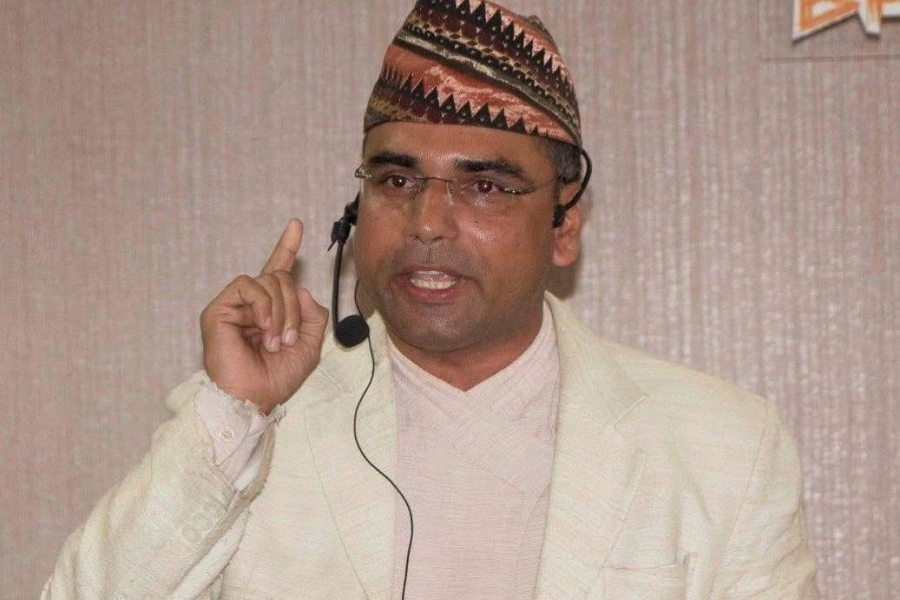
“Since we cannot know the origin or motive of VPN providers, we should not trust them,” said Dr. Rajiv Subba, a cybersecurity researcher at Madan Bhandari University of Science and Technology. “There is a high chance that predators disguised as VPN providers may exploit users’ data for unethical purposes. Data theft is likely, and users may also become entangled in cybercrime cases without realizing it.”
“Which VPN are you on?” Balen comments on Deuba’s Facebook post

He added that since foreign VPN providers are not bound by Nepali laws, users would have no legal protection if their data were misused.
The growing reliance on VPNs has also begun affecting businesses in Nepal. Digital marketers, who spend significant sums to advertise on social media, say their campaigns are failing to reach local customers because VPNs mask users’ true locations. Ride-sharing apps and other services dependent on real-time geo-location are also being disrupted.
Another concern is online banking. Many users conduct financial transactions while still connected to VPNs, often without realizing the risks. Experts warn that VPN service providers can potentially access sensitive banking information, making users vulnerable to fraud.
The Cyber Bureau of Nepal Police has echoed these concerns. SP Deepak Raj Awasthi said that while no formal complaints have been filed yet, widespread VPN use could increase cybercrime. “We advise everyone to remain vigilant while using VPNs and to switch them off immediately after use,” he said.
The government has defended the social media ban as a measure to monitor harmful content, ensure accountability, and regulate advertisements through foreign platforms. Yet, the widespread use of VPNs has cast doubt on the effectiveness of the ban.
Meanwhile, the Ministry of Information and Technology on Saturday evening issued a notice urging the public not to use VPNs to access banned sites, without providing any solution to these issues.
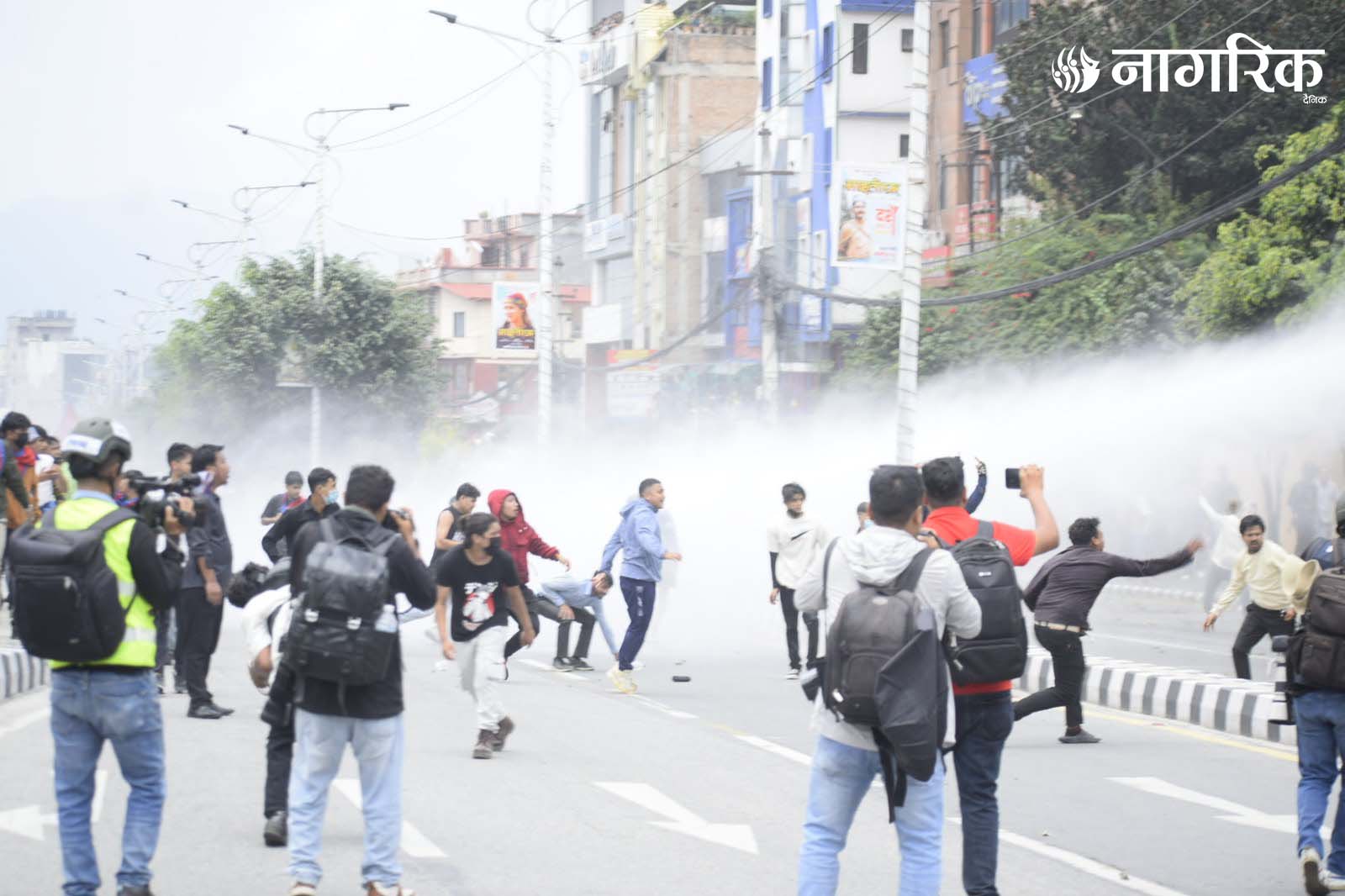
Opposition parties, civil society, right activists, journalists and youngsters, have decried the government's ban on social media. Thousands of small or larger businesses that use social media as advertising platforms have suffered due to this ban.