

KATHMANDU, Jan 22: Amid the buzz of election fever in the chilly January air, candidates for the House of Representatives (HoR) election on March 5 have been enthusiastically filing their nominations. Yet, a closer look at the numbers tells a striking story: women candidates remain far too few.
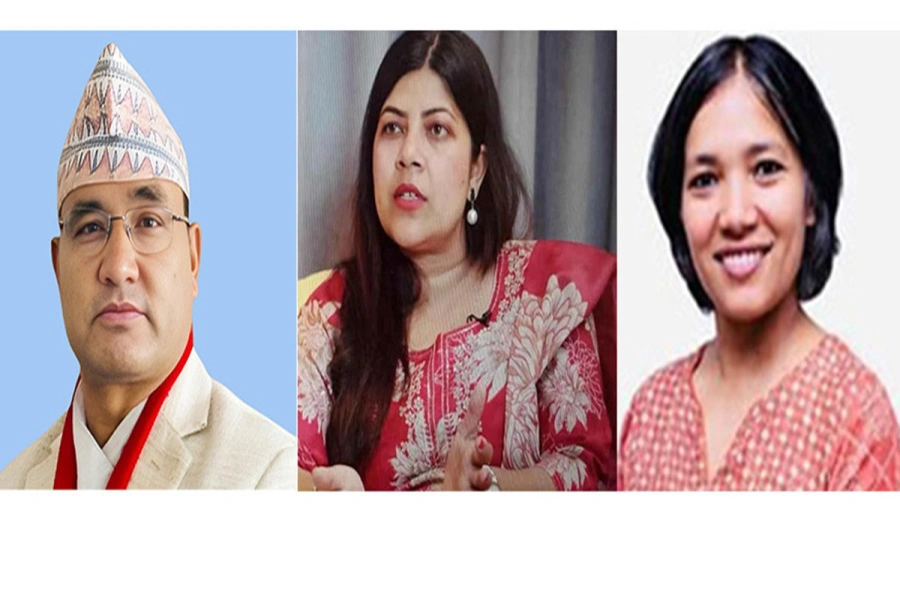
Kul Bahadur GC, assistant spokesperson of the Election Commission (EC), says both new and established parties have failed to ensure gender inclusivity in this election. Women’s presence in national politics is still weak, and within parties, female members often lack influence. As a result, women make up only 11.35% of all candidates—a small rise from 9.3% in the 2079 BS election.
Out of 3,486 candidates for the 165 first-past-the-post, or direct, seats, 3,089 are men, 396 women, and 1 from another gender. Experts point to societal patriarchy and male-dominated political culture as key reasons, with men favored in election strategies and campaign resources.
Too many candidates in big parties, small parties struggle to f...

“Male dominance in parties is clear. Even women in parties haven’t been empowered by male leadership,” GC says. “Protectionist thinking often blocks women from advancing. While the law mandates 33% female representation, parties must step up to boost women through proportional representation.”
Major parties reflect this imbalance: the Nepali Congress (NC) fielded only 11 women, CPN-UML 10, Rastriya Swatantra Party (RSP) 15, NCP 12, and Rastriya Prajatantra Party (RPP) 9. Both new and old parties continue to prioritize men, highlighting weak female leadership within parties.
Lawyer Radhika Khatiwada adds that financial constraints also play a role. “ Women may avoid direct elections due to limited resources. Parties also tend to confine women to proportional representation, reducing their overall presence,” she explains.
Pragatisheel Loktantrik Party member Manushi Yami Bhattarai points out that parties hesitate to field women because they have limited access to campaign funds. “Even when women run, many face lower chances of winning due to financial hurdles. Legally, direct and proportional representatives hold equal status, but in practice, proportional candidates are considered secondary,” she says.
Srijana Malla of the NC recently withdrew her name from the proportional representation list to contest directly, highlighting women’s desire to compete on equal footing.
Age-wise, the majority of candidates—1,610 or 46.18%—are between 36 and 50, showing a preference for experienced leaders. Those aged 51–65 make up 31.26%, 25–35 years 16.7%, and those over 65 years 5.76%.





