KATHMANDU, Oct 7: An Israel-based cyber intelligence firm has revealed that roughly one in every three social media users calling for Nepal’s September 8–9 Gen Z protests were fake accounts.
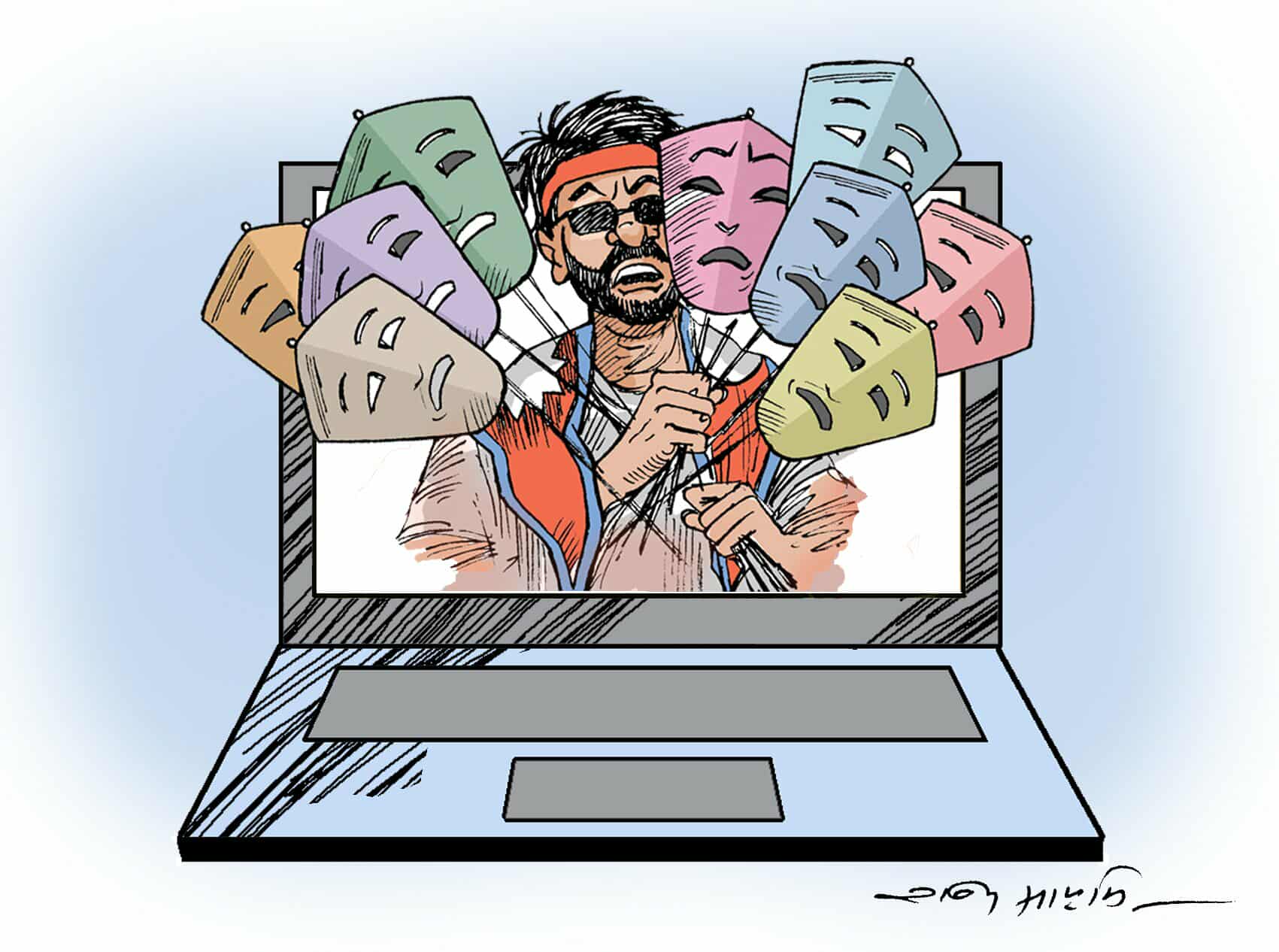
Cyabra, a company specializing in detecting online disinformation and social media inauthenticity, said these profiles blended seamlessly with real users, making it difficult to distinguish manipulated activity from authentic engagement. Its investigation found that fake accounts made up 34% of the sampled profiles on X (formerly Twitter). They amplified protest hashtags, reinforced anti-government narratives and strategically engaged with real users to expand their influence.
While genuine users drove the bulk of protest activity, the report highlights the disproportionate role of fake accounts in magnifying messages. Cyabra identified 1,288 inauthentic accounts on X, which, despite their smaller numbers, generated 11.5% of total engagements—over 164,000 interactions—and had a potential reach of 326 million views or 14% of the total.
Dodging Fake News on Social Media

“These findings demonstrate how coordinated inauthentic activity can significantly amplify the visibility and impact of protest narratives,” the report noted.
According to Cyabra, although the majority of participants were authentic voices demanding reform, one in three accounts engaging in protest-related discourse were either fake or part of a coordinated campaign. These accounts promoted extreme and confrontational content across platforms including X, Facebook and TikTok.
The protests began online under the hashtag #Nepokid, aimed at exposing the lavish lifestyles of politicians’ children and initially called for a peaceful demonstration on September 8. However, the government’s sudden ban on 26 social media apps sparked larger crowds, with thousands of young Nepalis posting messages against corruption and demanding accountability. Cyabra said coordinated fake accounts spread narratives reaching over 326 million potential viewers worldwide.
Online mobilization for the Gen Z protest, according to the report, began in early August, intensifying as the protests approached, with hashtags such as #GenZProtest, #WakeUpNepal, and #September8 gaining traction. Many posts used AI-generated visuals, while viral videos on TikTok and Facebook encouraged participation and reached audiences in the millions.
As demonstrations turned violent on September 8, online discourse shifted toward outrage, grief, and demands for accountability, circulating graphic images, testimonies and videos of clashes. The following day’s protests raised the death toll to 75, with more than 2,000 others injured, ultimately leading to Prime Minister K P Sharma Oli’s resignation.
Cyabra’s report found that fake accounts employed AI-generated visuals, hijacked popular protest hashtags, and interacted with authentic profiles to appear legitimate. The online conversation consistently framed young Nepalis as defenders of democracy, with narratives emphasizing a youth-led democratic struggle, allegations of police brutality and state repression, and a deepening political crisis.
The study concluded that Nepal’s Gen Z protests illustrate both the empowering and vulnerable aspects of social media. Digital platforms enabled youth mobilization, expression of grievances, and calls for systemic reform, but they also allowed manipulation by fake actors who amplified and reshaped protest messaging beyond organic audiences.
Dr. Rajib Subba, a cybersecurity researcher at Madan Bhandari University of Science and Technology, said such manipulation was a global phenomenon. “Cyberspace is increasingly being weaponized to pursue certain agendas. Countries, including Nepal, must remain vigilant to counter these threats,” he said.



-1774196637.webp)