KATHMANDU, March 6: As vote counting continues from the March 5 House of Representatives (HoR) election, one message is becoming increasingly clear: Nepali voters are seeking an alternative to the country’s traditional political order. The dramatic surge of the Rastriya Swatantra Party (RSP) is not merely an electoral success—it signals a deeper shift in public sentiment and the beginning of a potentially transformative phase in Nepali politics.
Across constituencies—from Kathmandu to the eastern Tarai and the hills—early trends show RSP candidates challenging, and in many cases defeating, long-entrenched figures from the Nepali Congress (NC) and CPN-UML. For decades, these parties dominated the electoral landscape, and their leaders were often considered “heavyweights” whose victories were almost taken for granted. But the latest results suggest such assumptions are rapidly losing relevance.
A mandate for change
As counting continues across 165 constituencies under the FPTP system, the RSP is leading in 81 constituencies, with one candidate already declared the winner. The NC is ahead in just 12 constituencies, with one winner so far, while the Nepali Communist Party and UML are leading in eight constituencies each. These early vote-counting trends suggest that Nepali voters have decisively voted for change, with the RSP possibly securing a single majority in Parliament.
The RSP’s rise reflects growing frustration among voters with the political status quo, driven by dissatisfaction with slow economic progress, governance failures, corruption scandals, and recurring political instability. The party has positioned itself as a credible alternative, promising transparency, technocratic governance, and a break from the patronage-driven political culture that has dominated the country since the restoration of democracy.
Collapse of “political fortresses”
For years, many constituencies were viewed as political strongholds of particular leaders or parties. Yet early election trends suggest that these fortresses are no longer secure.
In several districts, voters have shown a willingness to challenge established dynasties and organisational networks that once seemed unbeatable. The rise of younger candidates and newcomers reflects a broader impatience with what many perceive as an ageing political class.
Ballot boxes set on fire in Bajura

The trend also suggests that political charisma and rhetorical skill are no longer enough to guarantee electoral success. Increasingly, voters appear to be demanding concrete results—economic opportunities, better governance and effective service delivery.
The power of new narratives
The RSP’s success underscores the influence of new political narratives. Unlike traditional parties anchored in ideological identities, the RSP has focused on governance reform, accountability, and anti-corruption. Many of its candidates present themselves less as conventional politicians and more as professionals, activists, or social entrepreneurs seeking to reform a broken system.
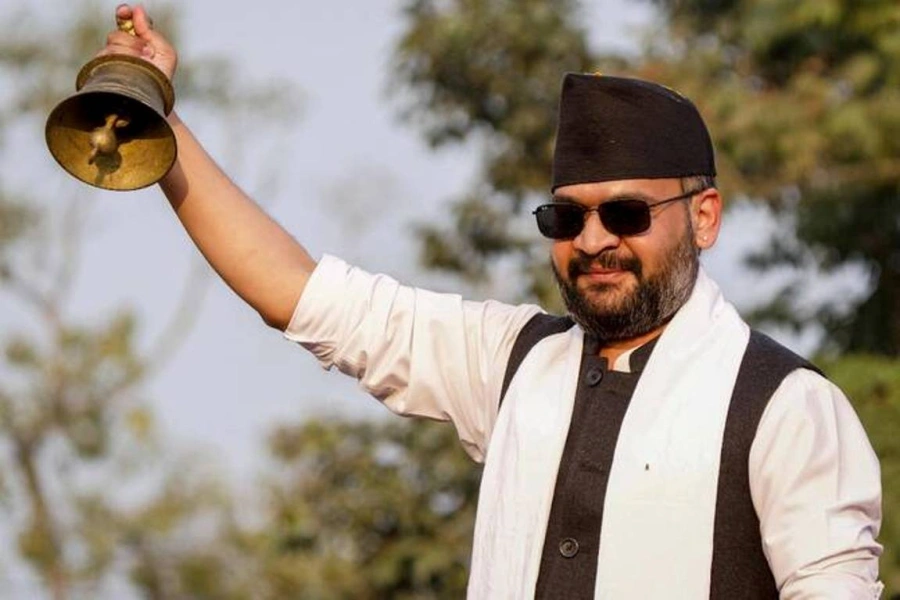
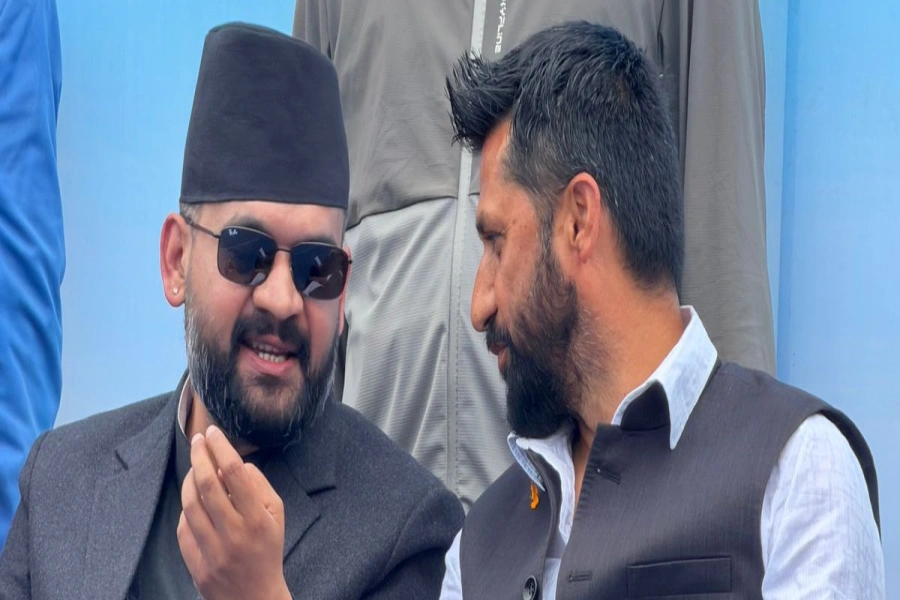
The party’s campaign leveraged social media and digital mobilisation more effectively than traditional parties, allowing rapid outreach and engagement with voters. The entry of Balendra Shah (Balen Shah), whose public appeal added momentum, reinforced the reformist image cultivated by party founder Rabi Lamichhane, a former journalist known for direct engagement with citizens.
Youth and fresh faces have been central to the RSP’s strategy. By fielding educated professionals and newcomers with clean public reputations, the party projected a break from traditional patronage politics.
Youth, reform, and the ‘Balen’ effect
The RSP has emerged as a dominant force in the HoR election, challenging long-established political parties and reshaping the country’s political landscape. Analysts say the party’s rise reflects a widespread desire among voters, especially youth, for change, transparency, and new leadership.
Voter frustration with slow development and governance failures under traditional parties such as the NC, UML, and Maoists has been a key factor driving support for the RSP. Many citizens, even in rural areas, credited Balendra Shah, popularly known as Balen Shah, with transforming Kathmandu during his tenure as mayor, and they see him as a symbol of broader national reform. This perception of Shah as a “harbinger of change” appears to have significantly boosted the party’s appeal.
The strong momentum behind Balen Shah’s candidacy was evident among Nepalis returning from foreign employment, many of whom timed their visits specifically to cast votes in his favour. Families with members abroad also encouraged relatives at home to support the RSP, reflecting the party’s cross-generational influence. Many first-time voters, particularly from the Gen Z cohort, joined this wave of support, signalling a generational shift in political allegiance.
Voter discontent with past electoral alliances further contributed to the party’s rise. Long-time supporters of established parties expressed dissatisfaction with coalitions that, in their view, compromised governance and neglected local needs. The RSP’s emphasis on fresh, educated candidates and professional leadership, combined with a strong social media presence, resonated with citizens tired of patronage-driven politics.
Observers suggest that the party’s success is not just an electoral triumph but a broader mandate for reform. With its rise, the RSP has challenged the dominance of traditional parties, signalling that Nepalese voters are increasingly prioritising accountability, effective governance, and tangible results over party loyalty.
A warning for traditional parties
For established parties such as the NC and UML, the results are a stark warning. Erosion of their electoral dominance suggests that traditional party machinery alone may no longer secure voter loyalty. Analysts argue that without serious internal reforms—renewing leadership, strengthening governance credibility, and reconnecting with grassroots concerns—these parties risk further decline.
The RSP’s surge may act as a catalyst for broader political transformation, compelling established parties to rethink their strategies and priorities.
An uncertain but dynamic future
Beyond the immediate results, the RSP’s victory signals that Nepali politics is entering a new phase, marked by greater competition, fluid alliances, and heightened voter expectations. Whether the RSP can convert electoral momentum into effective governance remains to be seen, but the message from voters is unmistakable: Nepalis are increasingly unwilling to accept politics as usual.
The ballot boxes have delivered more than just election outcomes—they reveal a society in search of renewal. The rise of the RSP may mark the start of a new, dynamic chapter in Nepal’s democratic journey.