KATHMANDU, Oct 12: As the arson and vandalism continued during the Gen-Z movement, the Nepal Army stepped in to secure the prime minister, ministers, and key leaders, also playing a pivotal role in the formation of a new government aligned with the movement's objectives. However, following violent clashes on September 8, the police found themselves overwhelmed the next day, grappling with widespread destruction and failing to safeguard their own precincts and weapons. In a surprising turn of events, some senior officers fell ill, while others abandoned their posts at headquarters, leaving their uniforms behind.
In this vacuum, the army stepped in to guard then-Prime Minister KP Sharma Oli, several cabinet ministers, and former prime ministers. Military leaders also mediated talks between Gen-Z representatives and President Ram Chandra Paudel at the Army Headquarters.
The army received praise for its role, but Maoist Centre Chair Pushpa Kamal Dahal later raised a sharp question: “If the army could protect us, why couldn’t it protect Singha Durbar?”
The army was instructed to take command early on September 9. However, they informed Chief Secretary Eknarayan Aryal that their personnel would be deployed during the night. Unfortunately, Chief Secretary Aryal failed to relay this message to Oli promptly. It wasn't until around 11 a.m., when the situation had already deteriorated, that Army Chief General Ashok Raj Sigdel finally informed Oli. The army even advised Oli to resign, which he did, citing the "Sikkim episode" as a reference.
Cabinet determines perks for former presidents, vice presidents...

Only after Oli’s resignation was accepted did the army officially move to control the situation that night at 10 p.m., without invoking any constitutional clause. Nepal’s 2015 Constitution clearly defines army mobilization under Article 267(6), which requires a Cabinet decision and presidential approval in case of serious threats to sovereignty or security.
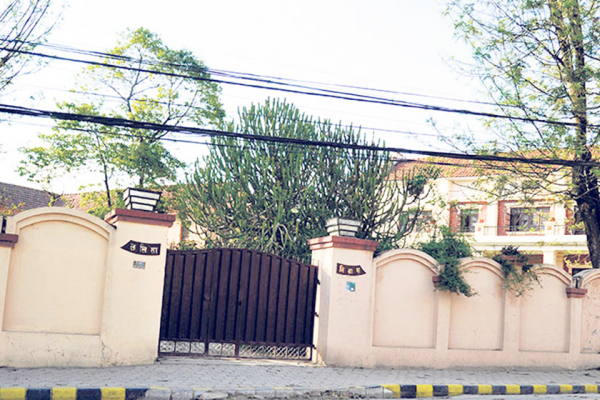
The army has faced criticism for failing to protect national institutions while guarding Nirmal Niwas, the private residence of former King Gyanendra. Sources said a military unit had been stationed there since the night of September 8. “Troops were deployed at Nirmal Niwas through September 10,” a senior source said.
Normally, the Armed Police Force (APF) guards the former king and his residence. But on that night, army personnel under a major’s command joined the security detail, even as the President’s Office, Singha Durbar, the Supreme Court, and the prime minister’s residence burned. “While all those sites were destroyed, Nirmal Niwas and houses of RPP leaders nearby remained untouched,” an army officer said.
APF officers reportedly alerted their command that the army had entered Nirmal Niwas, but they were told to keep the matter secret and take no photos. The CCTV system there was allegedly disabled after the army’s arrival.
This has raised questions about whether the army’s deployment to Nirmal Niwas and the removal of Gen-Z’s name from the Nepal Trust board at Narayanhiti Palace were coincidences or part of something deeper.
On September 10, during talks between Gen-Z leaders and the army chief, the latter suggested including pro-monarchist leader Durga Prasai in the dialogue. Suspicious of the army’s role, Gen-Z leaders Rachha Bam and Dhiraj Joshi walked out.
Following growing scrutiny, the army issued a statement urging people not to spread rumors. It expressed gratitude for public feedback and said it had assessed the situation objectively to help restore peace and order. The army also reminded that its official positions are released only through verified press notes and social media channels.
In 2012, based on army recommendations, the government had set special security standards for the president’s and the prime minister’s residences. The army, police, APF, and intelligence agencies jointly designed those measures, giving the army charge of protecting Singha Durbar, the President’s Office, and the prime minister’s residence. Yet, reports confirmed that even a fire truck under army control inside Singha Durbar could not be used during the September 9 fires.
The same standards later led the government to deny Saudi Arabia’s request to build an embassy near Shital Niwas, citing security reasons. The decision too had been made on the army’s advice.
Security agencies had long warned that tall private and commercial buildings around the president’s and prime minister’s residences posed serious risks.







-1200x560-1774606010.webp)
-1200x560-1783685616.webp)