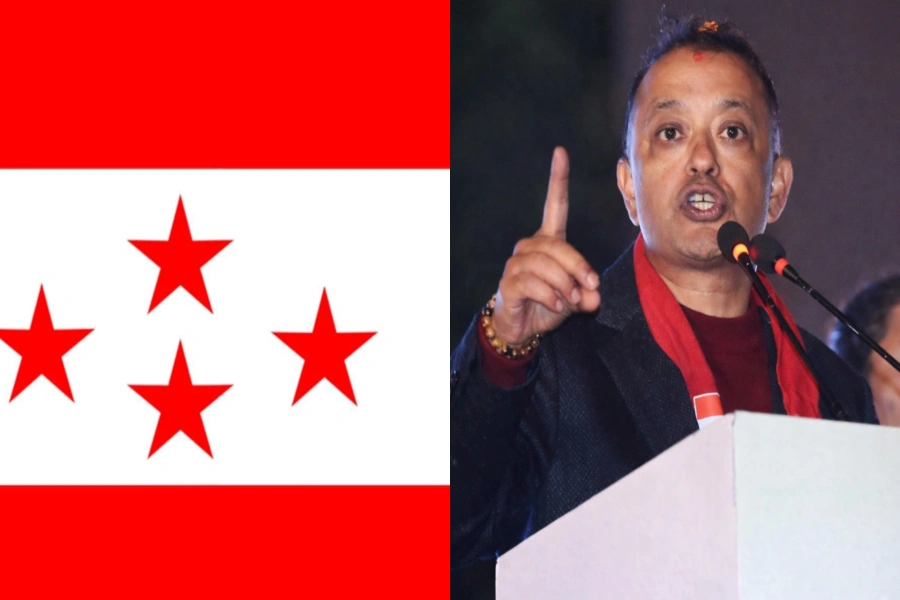
FSFN, which is a major ally of the UDMF, is going to propose an end to the obstruction at the Nepal-India border checkpoints, and the initiation of Kathmandu-centric protests in the days to come.
FSFN's decision comes a day after parliament passed the bill to amend the new constitution.
Although the constitution amendment bill was registered by the largest party Nepali Congress (NC) and pushed mainly by it, initiatives to effect the first amendments to the new constitution were taken with a view to pacify the anti-constitution agitations in the Tarai-Madhes districts.
However, the agitating Madhesi parties are still dissatisfied and have termed the amendment incomplete and unacceptable.
"We reject this amendment as it was passed without taking our consent at a time when leaders from both sides -- major political parties and Madhes-based parties -- were striving their utmost to find solutions agreeable to all," Dr Shivaji Yadav, chief whip of FSFN, told Republica. "While moving the amendment proposal forward, the big parties tried to bulldoze the dissident parties instead of finding a middle-way solution."
Yadav said his party decided to call for change in the modality of the agitations as latest developments indicated that the agitations may be prolonged further and this might further afflict the general public.
"As it appears that we will need to struggle for a longer period of time, we decided to change the modality so that it would cause less trouble to the general public," he said.
According to him, the proposal is yet to be discussed with leaders from the other political parties as they are now outside the capital.
FSFN's central committee took the decision on changing modality as they had concluded that the obstructions at the border checkpoints only caused hardship to the general public and failed to pile any pressure on the government. The party's leaders realized that border obstruction may only alienate the public from the party, without creating any pressure on the government.
However, some other Madhesi leaders said that the other constituent parties of the UDMF may reject the FSFN proposal on changing the modality of agitations.
"Rajendra Mahato of Sadbhavana Party in particular may reject this proposal outright because he is strongly against softening the agitations against the government," said one Madhesi leader.
The UDMF meeting is planned to be held at some tarai town later this week.
Parliament amended the new constitution following long-drawn-out negotiations among the major political parties -- NC, CPN-UML, UCPN (Maoist) -- as the dissident Madhesi parties have been protesting in support of their demand for proportional representation and changes in the provision regarding delimitation of electoral constituencies.
The amendment has effected changes to Articles 42, 84 and 286 of the new constitution.
The amendment has resulted in two major changes to the new constitution. First, the word "inclusive representation" has been replaced by "proportional inclusive representation" for various groups named in the constitution. Likewise, the wording of the constitutional provision that "electoral constituencies shall be delimited based on geography and population" has been changed. The amended provision states that population shall be the major basis with geography the secondary basis, for the delimitation of electoral constituencies.
Related story
Historic leap in eye treatment: Lens sparing vitrectomy of 29 w...