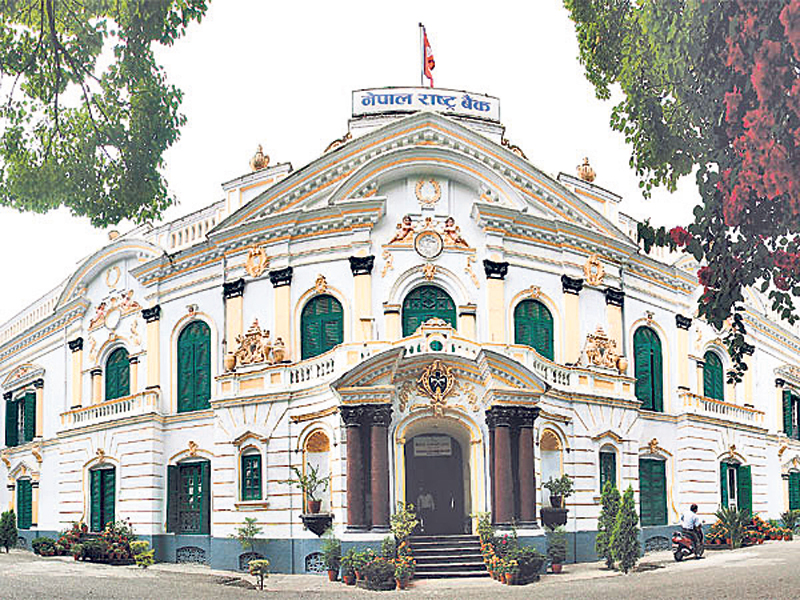
A nation’s treasury is the backbone of both daily governance and long-term development. When there is sufficient money in the treasury, it can cover routine expenses and also be invested in various sectors to generate returns. Currently, the state of the country’s treasury resembles that of a financially weak household. Without a strong treasury, aspirations for development and construction cannot be realised, and without development projects, there is little sense that any activity is taking place in the country. Although political parties have incorporated economic growth and national development into their agendas, little attention has been paid to strengthening the treasury. The government collects funds through taxes, non-tax revenues, foreign aid and loans, which are used to pay salaries and allowances, fund development projects, maintain social security, cover administrative costs, and service debt. In recent years, government expenditure has exceeded revenue, pushing the treasury into deficit. The state of the treasury reflects the country’s overall financial health. In the first five months of the current fiscal year (FY) 2025/26, the government’s treasury faced a deficit of roughly Rs 148 billion. This indicates a deepening slowdown within the economy. A gap of Rs 148 billion between expenditure and revenue is a matter of concern, stemming from underperformance in revenue collection and low capital expenditure. The government had targeted over Rs 1.533 trillion in revenue for the current FY, but both tax and non-tax revenues have fallen short of expectations, while foreign aid has also been considerably lower than anticipated.
US judge blocks Musk's cost-cutting team from Treasury data

External shocks and domestic disruptions have further strained the economy and the treasury. Over the past decade, Nepal has faced multiple challenges that have repeatedly disrupted economic activity. The strain that began with the devastating 2015 earthquake had not fully eased when, in September 2025, the destruction, arson and vandalism associated with the “Gen Z” uprising further destabilised the country. The economy had just begun to recover from the COVID-19 pandemic when these destructive activities affected not only government infrastructure but also private sector operations, reducing revenue and economic performance. A slowdown in economic activity directly impacts revenue, putting additional pressure on the treasury. Attacks on private sector businesses have further undermined revenue generation. Ultimately, assets created within the state, even if privately owned, benefit the country either directly or indirectly—through revenue collection, employment creation, and capital formation. Currently, revenue collection has decreased, government spending has risen, and the debt burden is increasing. Domestic production remains low, while imports have grown, widening the trade deficit. Low private sector morale has slowed investment, and banks are holding excess liquidity. With economic activity subdued, revenue collection suffers, further adding pressure to the economy. If the government fails to increase revenue and strengthen the treasury, there will be a shortage of funds for development and investment. Without a strong treasury, the government risks relying increasingly on debt that may fail to generate returns, threatening its ability to finance development and meet daily expenditures.
Strengthening revenue and stimulating economic activity are essential to reversing this trend. To achieve this, economic activity and production must rise. The government must restore confidence in the private sector, which has been shaken by the “Gen Z” campaign. Investment should be encouraged in industry, agriculture, tourism, energy and small- and medium-sized enterprises. By increasing employment and income, revenue will naturally improve. Policy uncertainty must be removed, investors incentivised, and the economy shifted from import-dependence to production-focused growth. Exports should also be expanded. While domestic indicators present challenges, external indicators remain satisfactory. Foreign exchange reserves are strong, the current account and balance-of-payments positions are positive, and remittances have risen significantly. These external resources should be leveraged to stimulate domestic production, consumption, and investment, thereby revitalising the economy. This is only possible through collaboration between the government and the private sector. When the economy is active and economic activity increases, revenue will rise naturally, strengthening the treasury. A strong treasury enables the government to spend effectively and drive national development forward.