Folk culture is an integral component of a nation’s uniqueness, and the thread that binds its people. [break]
With this fact in mind, the National Folk Journalists Nepal (NFJN), established three years ago to asses the progress and to discuss the threats to Nepali folk music, organized its third general.
President of NFJN, Govind Giri presented the organization’s annual progress report reflecting NJFN’s past deeds and current implementations. In the meeting, the chief concern of the members was the upliftment of Nepali culture and tradition which is fading away.
The artists of NFJN have been holding numerous cultural and social activities aimed at promoting peace, harmony and integrity in the country.
“We carried out various events like motorcycle rallies, mobile health camps at Pashupatinath Temple’s old age home and seminars involving folk artists and distributors,” stated Govind Giri. He added, “Anything that carries the essence of our land is our identity and we shall work to preserve it.”
NFJN is an umbrella network of media workers committed to promote and protect Nepali folk culture, traditional art, language and literature, and folk music.
NJFN’s other objectives are contribution to society in divevrse areas, such as poverty elimination, press freedom, human rights and to ensure the rights and duties of all media workers across all regions of the country.
Advocating culture is an intimidating task in today’s fast growing global communication where people have access to every society of the world at their fingertips and by the definition of human rights can like or dislike any cultural practices.
Hindi and English have influenced Nepali society to a large extent. Given such intrusion, Nepal’s ethnic songs and dance forms are facing difficulties.
Gajendra Budathoki, a media person, has blogged on Facebook over the recent national dress (daura suruwal) controversy, summing up people’s changing sentiment which he sums up saying, “Gana, nana ra khana,” meaning, songs, clothes and food, are personal choices that people cannot be forced upon.” It is purely a personal preference.
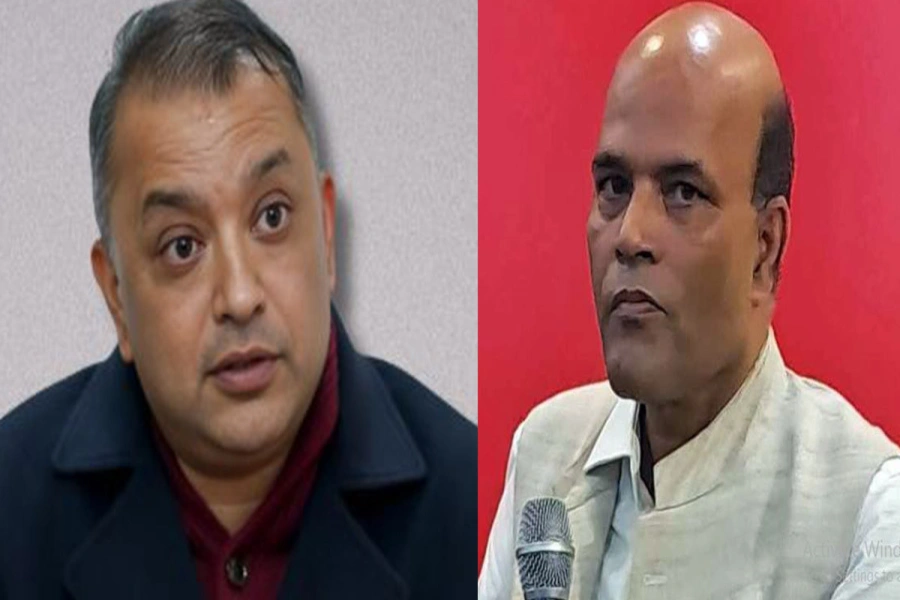
Similarly, Gagan Thapa, CA Member, speaking at a recent Nepali Film Producers Association’s convention, expressed, “Nepali cinema artists should think outside the box and work according to the changing tastes of Nepali public.”
This has been clearly realized by Govind Giri. “The main cause for the deterioration of folk culture is due to the lack of timely advancement in technology. We’re still producing cassettes when most people have moved on to CDs and DVDs,” regretted Giri, adding that piracy is another major hurdle to the marketing of folk music.

Pointing to measures taken to check piracy, Giri said, “We’ve agreed to establish few Music Banks where people can buy songs at rates as low as Rs 5 for mobile phones, and access up to 500 songs while buying a new pen drive from select outlets that provide these services.”
“Yet another dilemma faced by Nepali folk music is the loss of the essence in terms of the use of indigenous local instruments, and issues of the communities being expressed in natural melodious voices,” opines Arjun Ghimire, who hosts “Bhaka,” the folk music program at Hits FM 91.2.
“Many people view the modification of folk music using modern technologies to be tarnishing the authenticity of folk songs as they are completed and produced within a studio,” added Ghimire.
Folk artist Badri Pangeni vented out his own frustrations. “It’s the artists who have to bear the brunt, we have to invest around three to four hundred thousand Rupees per album that includes recording, distribution and advertisement, the latter being the most expensive.”
However, he defends the folk music industry, stating, “Contrary to popular belief, folk music has gained more popularity over the past few years. I’m certain most Nepalis love their culture. I can’t speak for other pompous, wannabe westerners.”
He also commented on “Kothelo Geet,” that is, production of music in a modern way, saying it is a compulsion for us to adapt according to the changing circumstances. But it doesn’t imply that we exclude our local instruments like Tabla and Bansuri.”
Head of Nepali Lok Sanskritik Kendra, Navin Khadka, discussed the loss of folk artists, explaining, “We’ve released 31 albums through our organization so far, but our profit margin is nil. We don’t even make enough money to produce a video album.”
Khadka was quick to point that Nepali public still adores the genre and Dohori seems to be the preferred style.
“I’m still positive, that there’s a rise in interest in folk music and it’s evident in many restaurants that have traditional music to attract patrons,” he shared, adding that folk music is an integral part of festivals. So it’ll always have that general appeal.
However, much remains to be done in preserving and promoting Nepal’s folklore, not only those based on Nepali dialects but also those of the teeming regional and ethnic mother tongues spoken all across Nepal.
“We travel all over and collect folk music from the roots and also check its authenticity by consulting knowledgeable people of that particular community,” stated Khadka. He added, “We’ve been to various mountainous regions and learnt about various dance and music forms that exist there.”
Similarly, folk artists should divert themselves to other regions to nurture folklore. Provided government support, the folk artists can contribute to the preservation of the country’s nations assets.
“The government should make efforts to ensure the rights of folk artists,” opined Pangeni.
Related story
Inappropriate Folk Music Videos killing Authenticity



_20200304184056.jpg)