KATHMANDU, Dec 23: Despite progress in controlling many communicable diseases through vaccination programs, Japanese Encephalitis (JE) has emerged as a growing public health concern in Nepal, the Family Welfare Division has said.
Speaking at an interaction with journalists on Monday, the division noted that infections this year are significantly higher compared to previous years. According to official data, Japanese Encephalitis has claimed 35 lives nationwide this year, with 179 people infected.
In 2024, the disease had caused 25 deaths and infected 86 people. In 2023, there were 107 reported infections but only seven deaths. Except for one death in 2014, no fatalities had been recorded from the disease in the eight years that followed.
9 people die from Japanese Encephalitis in this season

The division reported that around 48 percent of those infected this year are engaged in agriculture, particularly people living near paddy fields and pig farms. Of the total cases, 32 percent were reported from three hill districts, while infections were recorded in 22 districts of the Tarai. The disease has spread more widely in the eastern and western Tarai regions.
Most of those who died were either above 40 years of age or children under 15, and the majority had not received vaccination against the disease.
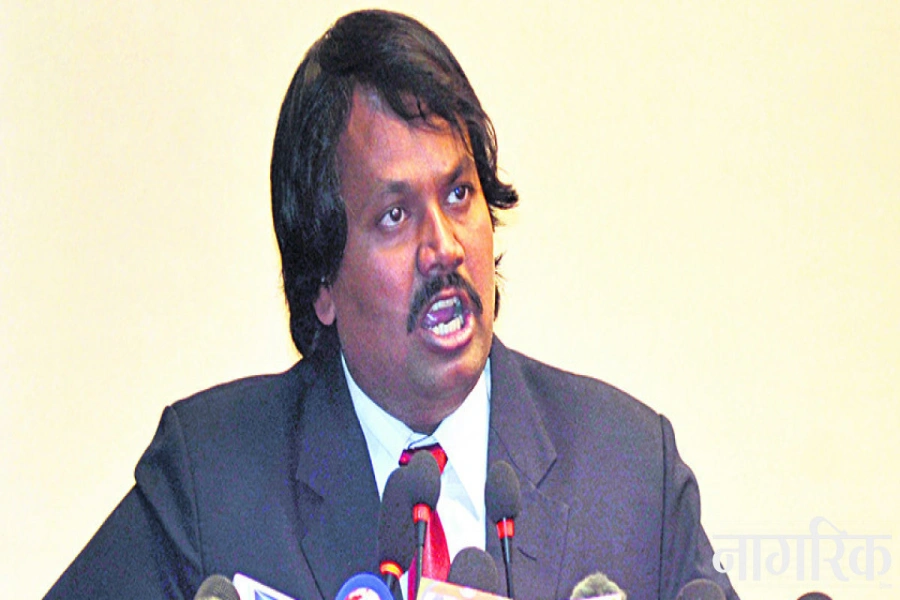
Dr Abhiyan Gautam, chief of the Immunization Section at the Family Welfare Division, said Japanese Encephalitis is transmitted by Culex mosquitoes, which commonly breed in paddy fields, pig farms and areas with stagnant water. As a result, people living in such environments are at higher risk.
He said limited availability of vaccines has meant that only a small number of children have been immunized, contributing to the rise in infections. Older adults, who were never vaccinated against the disease, account for a large share of fatalities.
Dr Gautam warned that Japanese Encephalitis continues to take the form of an outbreak every year and can lead to death or lifelong disability among survivors. He stressed that preventing mosquito bites remains the most effective immediate measure. Recommended precautions include using mosquito nets indoors, wearing full-sleeved clothing when outdoors, keeping pig and duck sheds away from homes, and eliminating stagnant water around residential areas.
While the government is making efforts to procure vaccines to achieve zero-risk control, Dr Gautam said high costs and budget constraints have limited timely access for the general population. “If budget management improves, vaccine procurement will be possible,” he said.