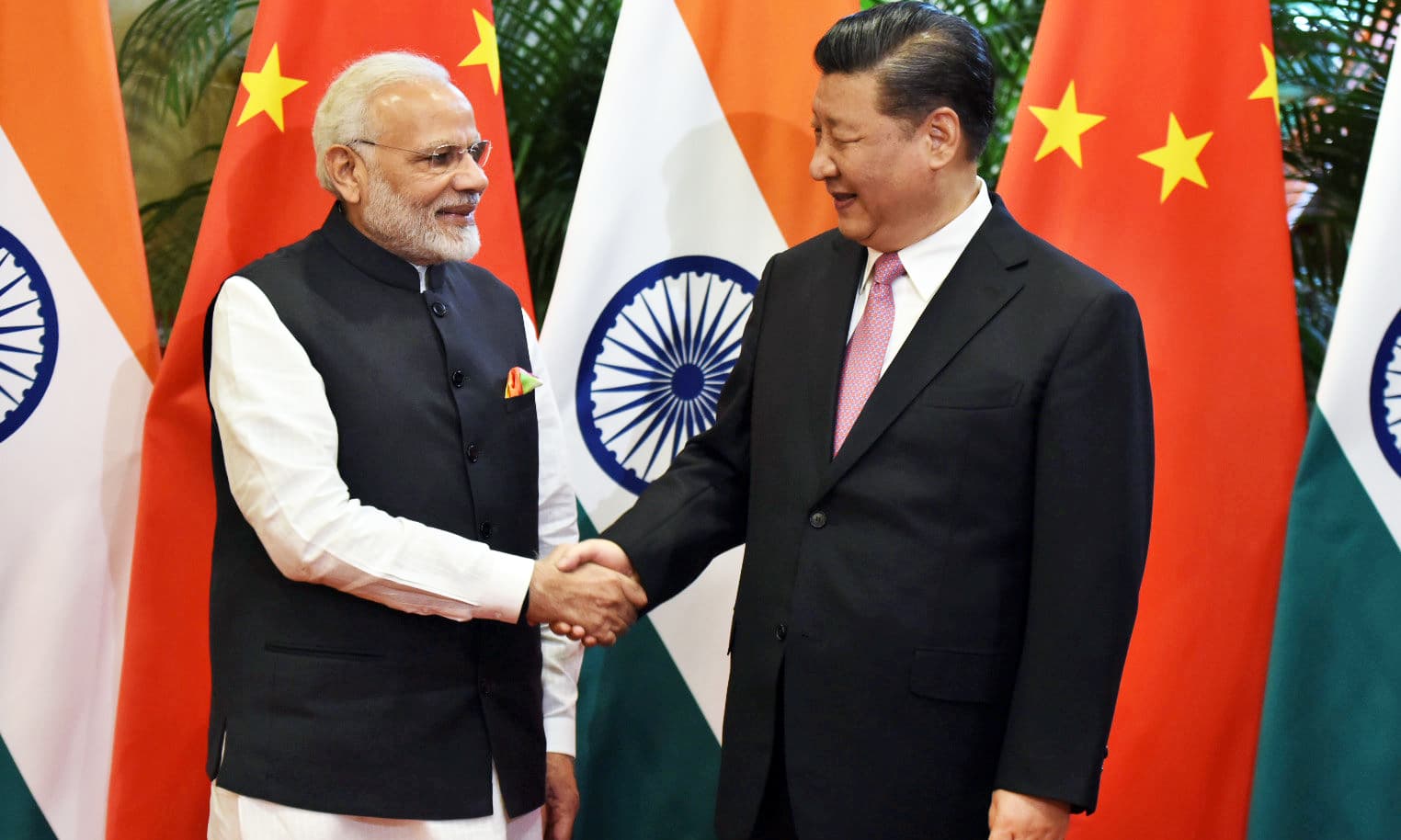
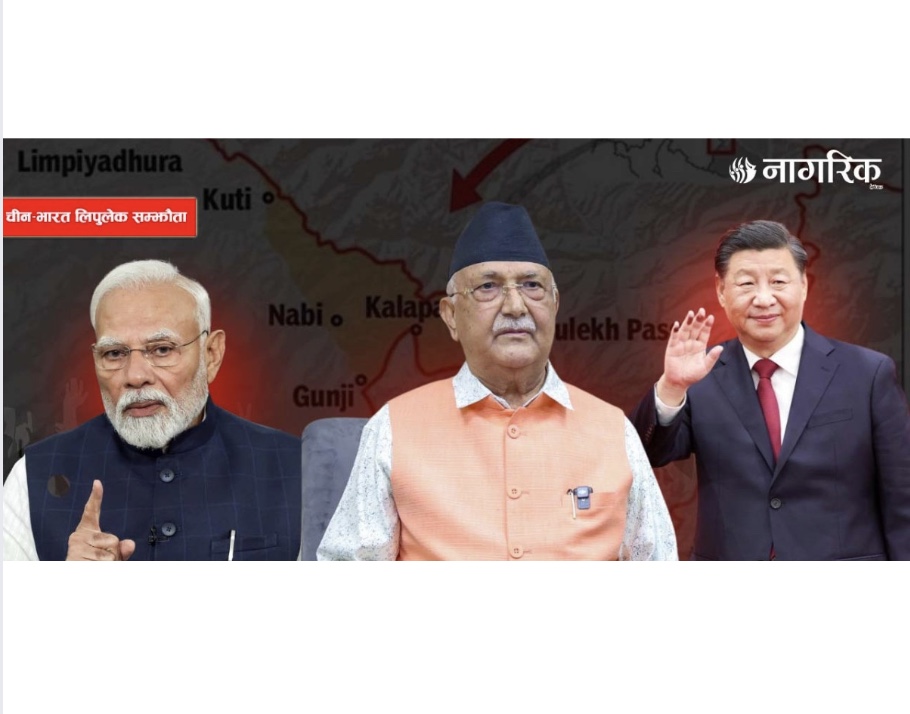
KATHMANDU, Aug 20: In a move with deep geopolitical undertones, Nepal's two big neighbors --India and China -- have agreed to reopen trade through Lipulekh—a Himalayan pass claimed by Nepal but long disputed. The understanding was reached during Chinese Foreign Minister Wang Yi’s visit to New Delhi, where the two emerging economic giants also pledged to deepen economic cooperation.
According to Indian media reports, the deal covers the resumption of border trade not only through Lipulekh but also via Shipki La and Nathu La, crossings that had remained closed in recent years.
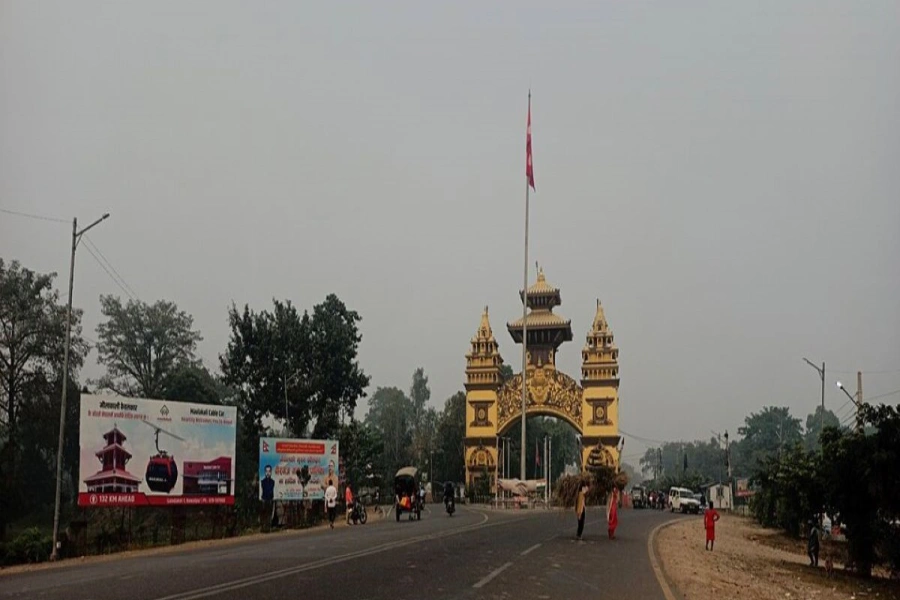
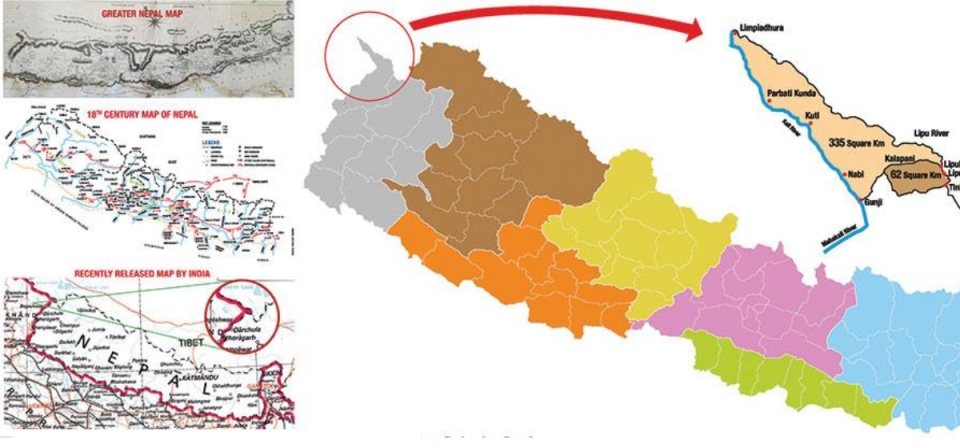
Nepal maintains that Kalapani, Lipulekh, and Limpiyadhura are integral parts of its sovereign territory, based on historical treaties, maps, and administrative records. Nepal has been demanding that the dispute must be resolved through diplomatic dialogue based on historical facts, treaties and evidence.
Desperate search for missing girls as nearly 80 dead in Texas f...
For Nepal, the development is another reminder of its marginalisation in a dispute involving its own territory. Kathmandu, which even introduced revised national map incorporating them as sovereign territory, was not consulted in the latest bilateral negotiations.
Despite Nepal’s objections, India continues to use the Lipulekh–Kalapani corridor for pilgrimages to Kailash Mansarovar—routes that, by tradition, pass through Nepali land.
Beyond trade, India and China also agreed to resume direct passenger flights and update their bilateral air services agreement, signalling a thaw in people-to-people exchanges. The two countries further pledged to maintain dialogue on unresolved boundary issues by forming an expert panel and a working group.
In a rare show of cooperation, New Delhi and Beijing reaffirmed their support for multilateralism, rules-based trade, and cross-border river management. China also committed to sharing hydrological data with India during emergencies, a measure seen as vital for flood management downstream.
Experts in Kathmandu say the deal underscores a familiar frustration for Nepal: whenever the two Asian powers negotiate across the Himalayas, Kathmandu’s voice is ignored—even when the discussion directly concerns its own land.






.jpg)