It has been nearly a month since the Sushila Karki–led government assumed office in the aftermath of the violent Gen Z protests. Her interim government’s primary mandate is to conduct the House of Representatives (HoR) election by the stipulated date of March 5, 2026. While Prime Minister Karki has held a series of meetings with the Election Commission (EC) officials and instructed Nepal’s 44 diplomatic missions abroad to mobilize international support for the elections, her government appears reluctant to initiate negotiations with political parties —the key stakeholders without whose support and participation a credible election is impossible. With less than five months remaining, it is both appropriate and urgent to begin dialogue with parties to create an election-friendly atmosphere, reassure leaders and cadres of impartiality and security and boost the morale of the police. During her meeting with the EC officials on Tuesday, Prime Minister Karki stressed the government’s commitment to prioritizing the polls. Given the unrest—some groups demanding the scrapping of the constitution and others calling for fresh agitations — her urgency is commendable. But elections are not only a technical exercise; they are inherently political. Building trust with the country’s political parties is therefore as critical as ensuring administrative readiness.
Election Commission issues 17-point election directive
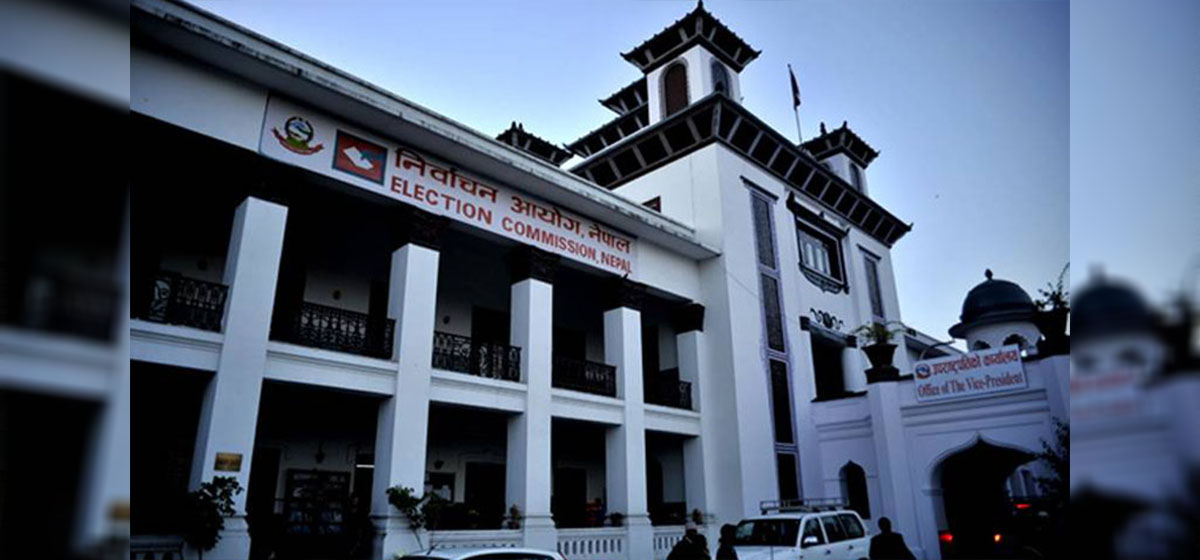
The EC has already announced a preliminary election calendar of events and is scheduled to hold consultations with political parties. Such interactions can enhance the EC’s credibility. However, inflammatory remarks from those perceived close to the government, coupled with recent attacks on senior leaders—including NC President Sher Bahadur Deuba and his spouse Arzu Rana Deuba—have eroded trust. Vandalism, looting and arson on private properties have further deepened concerns. The Home Ministry’s decision to halt action against those involved in arson and looting has fueled doubts about the government’s intent. It had earlier blocked police cases against suspects accused of torching police posts, killing officers and looting weapons, citing the jurisdiction of the judicial commission probing the September 8–9 unrest. It is good to note that the commission-led by former justice Gauri Bahadur Karki has clarified that such prosecutions should not be suspended.
To ensure a conducive electoral environment, the government must guarantee security for political leaders and cadres while boosting police morale. If major political parties cannot participate freely and safely, the legitimacy of the elections will be severely undermined. Prime Minister Karki must therefore personally engage in talks with party leaders while ensuring that police investigations into last month’s Gen Z violence remain free from political interference. While public frustration toward traditional parties is evident, it cannot be ignored that most local governments are still under their leadership. In almost every past election, the NC and CPN-UML have commanded the majority of popular votes. To dismiss these forces as irrelevant and attempt to sideline them would be political suicide. If the interim government is to oversee a successful transition, it must first restore law and order. Peace and security are the indispensable prerequisites for the election. Only then can dialogue with political parties assure the country that the government is committed to delivering a free and fair vote.