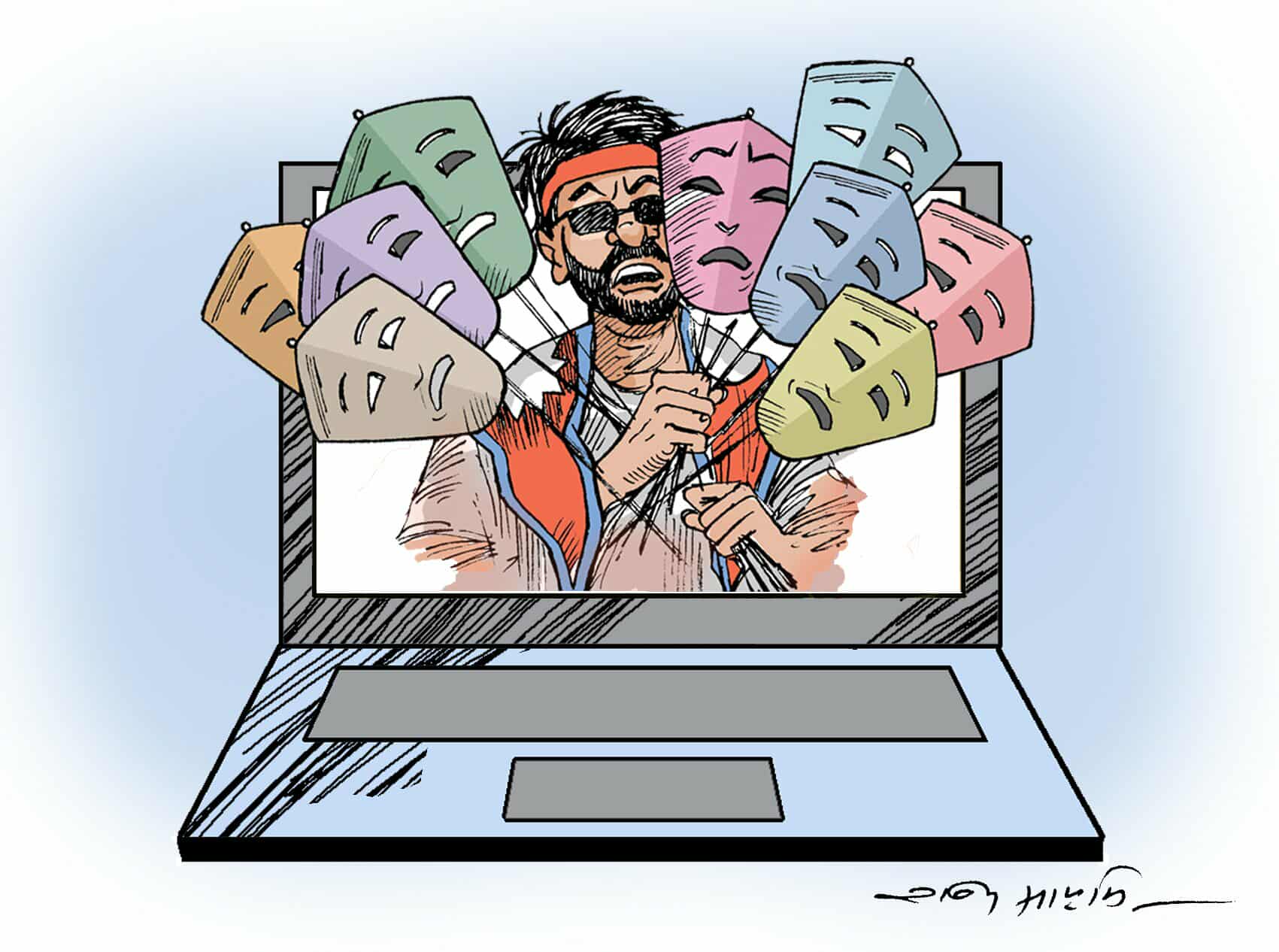
Nepal's recent Gen Z protests have shown both the power of social media to bring political changes in the country and the potential and the danger these platforms may bring to any country. A recent study conducted by Israel-based cyber research company Cyabra found that approximately one-third of social media accounts that helped fuel the movement were fake ones. Those fake accounts blended with authentic users, tagged hashtags, posted extreme content and interacted strategically with authentic account holders to expand their outreach. Though real youth voices first were motivated by non-violent demonstration against corruption, nepotism, and extravagance of leaders’ children, fake behavior from counterfeit accounts continued to push violent content with over 164,000 interactions and approximately 326 million global views. Computer-generated images, hashtags and propaganda posts kept the online conversations going, portraying young Nepalis as democratic guardians who sought to protest against police brutality and political unrest. Together with these imposter accounts, an epidemic of misinformation pushed the youths further. Nepalese media during the protest on September 8-9 were filled with unfounded news, videos, and rumors, such as the army overthrowing the government, monarchist plots, inflated casualty counts and staged videos of protesting at religious sites. In the meantime, average citizens, posting content with a view to warn others, unknowingly became fear spreaders. Experts pinpoint poor media literacy, belated official announcements, and institutional lack of preparedness as having allowed fertile ground for misinterpretation to take hold.
Two-day Huawei Digital Nepal Conclave 2022

This kind of infodemic recently led to polarized actions and an emotionally charged atmosphere where participants went to extremes. Unwarranted panic, physical attacks on reputed or common persons, damage to property took place which hinted at a grim reality that unverified social networking profiles have often become powerful tools of manipulation. Those with technological ability and groups with vested interests can utilize such profiles as weapons to serve their own purposes. In times of social unrest, political turmoil, or natural disasters, people with hidden motives often take advantage of public fear and uncertainty. By mixing artificially generated content with real content, they create self-serving narratives which are tough to verify on the spot, allowing misleading narratives to take over reality before accurate information can catch up. The recent protests led by Gen Z highlighted how these fabricated networks could manufacture perceptions that influence opinions and give rise to unrest. The prevailing situation calls for us to stay alert and think critically before taking decisions. Before sharing anything online, citizens should take a moment to verify information through reliable sources.
In the modern age, where people of all ages cannot stay away from social media platforms, it is highly imperative for governments, media organizations and digital rights groups that they enhance communication channels and media literacy initiatives, actively identifying potential misinformation. Also, social media platforms need to improve their safeguards to prevent misuse for promoting verified content. While technology offers powerful tools for civic engagement and youth activism, it can also be manipulated to misinform, control, and destabilize societies. As Nepal gears up for elections in the face of a volatile political situation, being aware of the tactics and effects of fake social media accounts is crucial for maintaining social stability, informed discussions, and public trust. The Gen Z protests have demonstrated the potential of digital mobilization. However, everyone should be highly alert about rapidly spreading manipulative misinformation aimed at controlling narratives and creating or influencing opinions so that people can be mobilized to achieve objectives behind hidden political or social agendas.





.jpg)