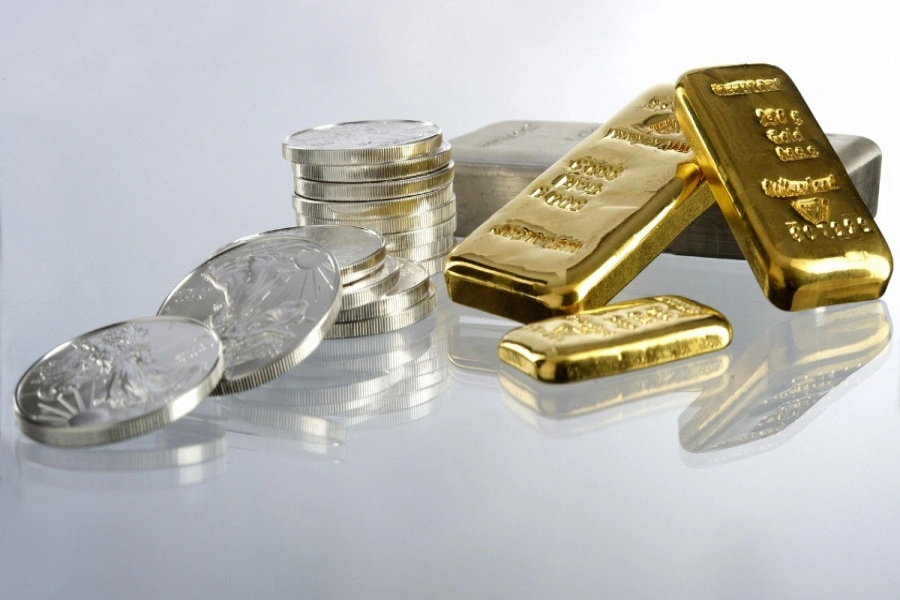
Gold, on the other hand, continued to rally in the domestic market, though international prices remained almost unchanged, due to mismatch between its demand and supply in the market.[break]
Currency
Nepali rupee fell by 33 paisa against a US dollar over the week. This rendered imports expensive, but raised receipts for exporters and remittance receivers. On Friday, a US dollar was exchanged at Rs 86.32.
Nepal Rastra Bank (NRB) -- country´s monetary authority -- had opened the trading Tuesday with exchange rate of dollar set at Rs 85.99. As the demand for dollar increased in India amid nervousness over uncertainty over Greece and Spain and the US jobs data, rupee shed 75 paisa against a dollar later.
However, it strengthened by 24 paisa on Thursday and further regained 18 paisa on Friday as foreign fund inflow soared in equities in India.
Likewise, rupee weakened by 66 paisa against a euro and Rs 1.35 against a pound sterling over the week. A euro was exchanged at Rs 111.66 on Friday, while a pound sterling closed at Rs 139.47 this week.
Bullion
Gold became expensive by Rs 170 per 10 grams (that is Rs 198 per tola) this week as demand soared amid festive buying, while supply remained constant, creating a demand-supply mismatch in the market. The yellow metal was traded at Rs 50,755 per 10 grams on Friday.
Bullion trading had opened this week with gold priced at Rs 50,585 per 10 grams on Tuesday. Though the price remained unchanged in the international market, dealers in Nepal raised the prices by Rs 255 per 10 grams on Wednesday, citing weakening of rupee and scarcity of gold in the market. Though gold price remained unchanged on Thursday, dealers lowered it by Rs 85 per 10 grams when the market closed on Friday.
The price of silver, however, remained unchanged over the week. On Friday, silver was traded at Rs 977.50 per 10 grams.
Related story
Monsoon not likely to weaken soon: Meteorologists