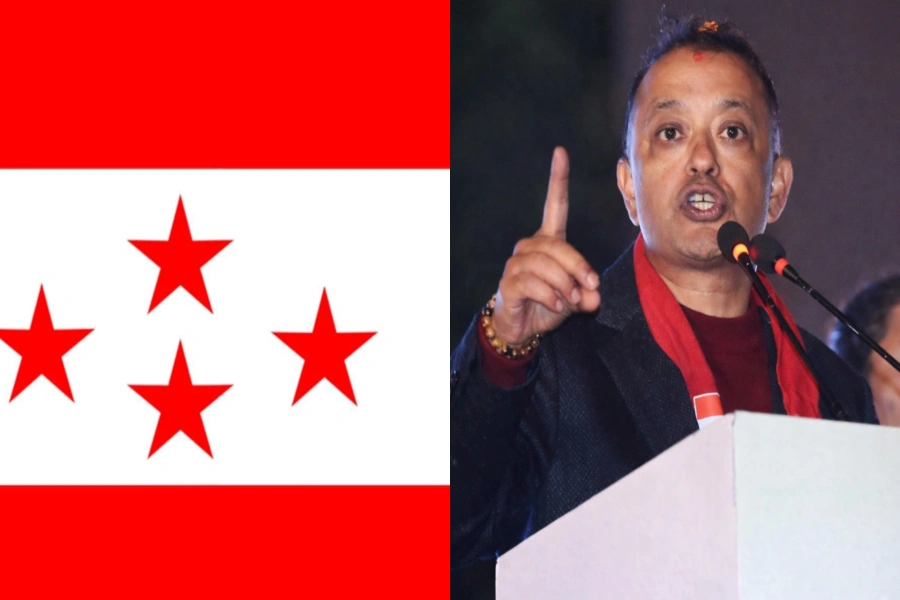
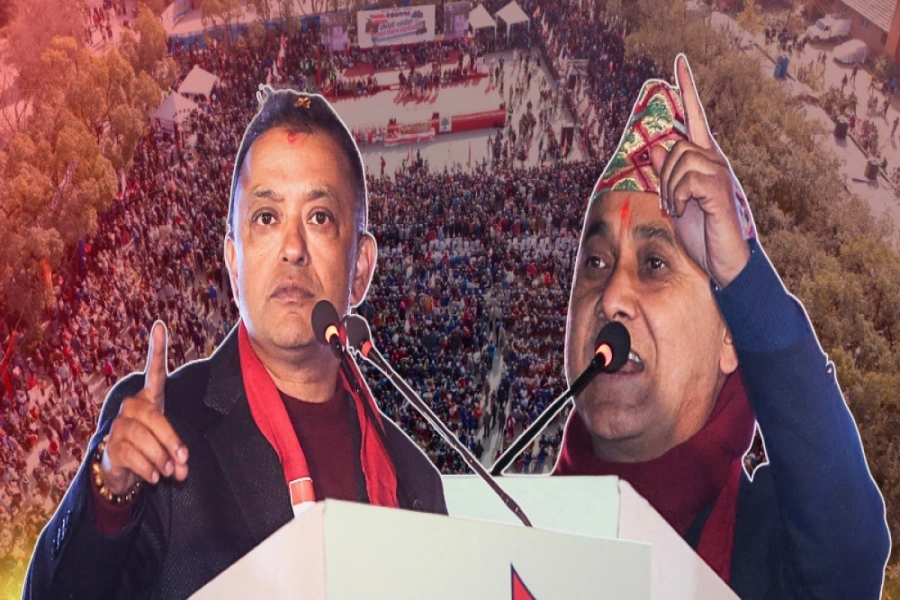
Dear Gagan Thapa,
I know you are deeply occupied in these turbulent times—after the Gen Z phenomenon—surrounded by duties, decisions, and the confusion that comes with leadership. I write not with expectation, but with necessity. Even if these words never find you, I will rest knowing I have written to the man who once carried the hopes of a generation: once radiant, now fading, but not yet gone.
This is not merely a political letter; it is a reflection of faith, in moments that unfold for a reason. It is this sense of purpose that moves me to write to you now, in a moment that feels like both an ending and a beginning.
Dear Gagan, I reflect on my own youth, when I was a fan of you. Like me, many of my generation admired you. We saw in you the promise of a new Nepal: young, courageous, and determined to change the system. Like all supporters, we did not want our hero to fall; we wanted you to rise, to remain inspiring, to never fade.
Wikipedia says you are 49. That is still young—an age that begins with the dignity of “4,” when so many of Nepal’s political leaders now live in the shadows of their “6” and “7.” In one year, you will turn 50, the threshold of that middle age where one either fulfils their destiny or fades into irrelevance.
History often places people in strange alignments of coincidence and opportunity. For those destined to lead, what looks like chance becomes destiny’s call. Today’s political turmoil—the protests, the generational impatience, the demand for change—has created a platform for you: one last stage to prove that your story was worth the long wait.
But opportunities of this kind never come free. You have struggled, yes—through student politics, through arrests, through party hierarchies—but your struggle has always been a safe one. There was no risk of complete loss. Many have fought battles far harsher, some against tyranny, others against war and imperialism. Compared to those who risked death or exile, your struggle was comfortable.
Under fire over expressway consultancy process, Army changes le...

For over two decades now, you have been in politics. Yet the villages in the hills and plains, the young Nepalis working abroad, the citizens trapped in poor public services, have seen little change. And yet, astonishingly, people still believe in you. Perhaps not as many as before, but still enough to make a difference. That belief, after all, is not in your achievements, but in your possibility.
A milkman, a ward chairperson, even a postman in a remote land may have done more for the daily lives of villagers than you have in all these years. Yet you have something they do not: a reservoir of hope, a moral credit built on the idea of what you could be. You have stood for democracy, freedom, and the rule of law—timeless ideals that have been on this planet for centuries and will outlive us all. There are primary school teachers who have spent their lives teaching the ideals of democracy to their pupils. Ideals are important, and no one has authority over the idea, as it has evolved empirically over thousands of years in this social world.
Dear Gagan Thapa, this is the last chance—not only for you, but for the hope vested in you by a generation that still believes there is something within you yet to emerge. But this is the last time, and perhaps the last generation, to expect that from you. My daughter’s generation is already searching elsewhere. They have grown up amidst corruption, instability, and disappointment. They have taken to the streets not because they hate their elders, but because they see no future under them—and among “them,” perhaps my daughter includes you as well.
You cannot continue being the eternal rebel within the system. Rebellion without resolution is just another form of comfort. You have enjoyed that comfort for too long—admired for dissenting, never tested for delivering.
For two decades, people have believed that you would one day lead them to prosperity. They have aged, they have struggled, and some have died waiting. They died without seeing you lead. They invested their hope, their patience, their pride in you. Now you owe them justice—not in words, but in deeds. Their hopes rest now in your hands as an unpaid debt.
If you cannot deliver, we must forget you. It would hurt, but life demands moving on. People forget their first loves. They mourn, they reminisce, but they eventually build new lives. If you cannot be the leader who makes a difference, then we too must let go and find new faces to believe in.
Your much-publicized “Project Government,” once introduced as a model of innovation and efficiency, has quietly vanished. You told people it would redefine governance and enrich Nepal. But nothing tangible came of it. The people who believed in you are still waiting for even one visible change that carries your signature.
This is your time to pay that debt back.
You have three paths before you. The first: contest for the presidency of your party, and if you win, lead it with courage. Do not become another caretaker. Become the leader who leads this nation to dignity and prosperity—a leader who brings jobs to the youth and honour to the people. Lead not for power, but for purpose.
The second: if you lose, do not retreat into comfort. Quit the party, form a new one, and fight the next election—already scheduled—with conviction. That alone would prove that your long-declared rebellion was not theatre, but truth.
And the third: if you cannot do either, then leave politics with grace. Live as a private citizen. There is dignity even in silence, if it is honest. Let others take the space you could not fill. As you once said you would quit politics at 55, you would no longer need to wait for those years to pass. Understand—history waved you goodbye at 50, five years earlier than you had planned.
But if you lose and then—offer eloquent explanations, pose as the lone reformer defeated by an unjust system—then we will no longer argue whether you were good or bad; we will simply forget. You will become like the photo of an ex-lover kept inside an old wallet. It might remain, but it belongs to another time. The image may survive, but the emotion is gone.
Dear Gagan, this is the last letter—not of anger, but of affection. For I, like many, once believed in you with the innocence of youth. But that belief cannot be eternal; it must now be earned. You have the chance to rise to that call—perhaps the last one you will ever get.
If you lead, lead as if history is watching—because it is. And if you must fall, fall with the dignity of one who tried with all his heart.
Because even heroes, when their time is done, deserve peace.
Yours,
Chiranjivi Sharma