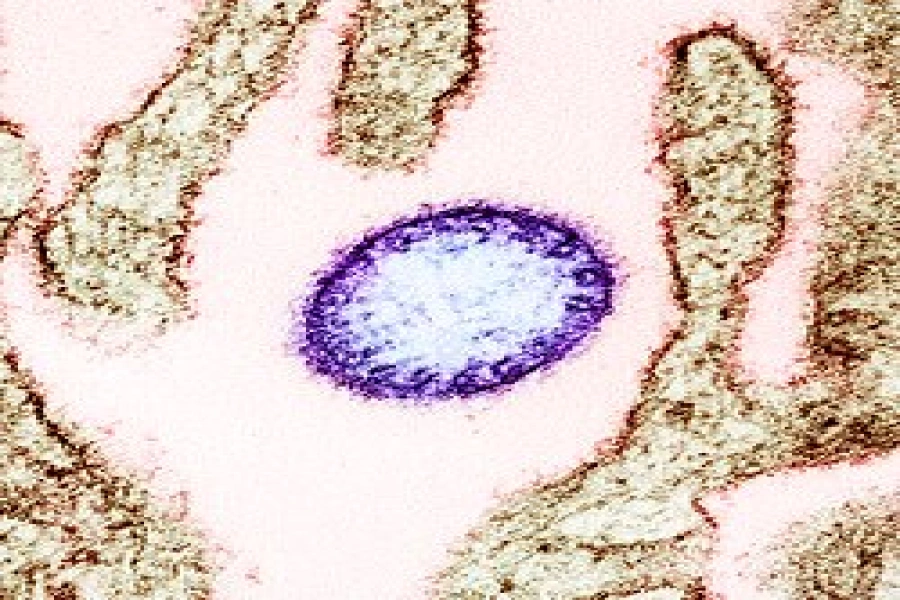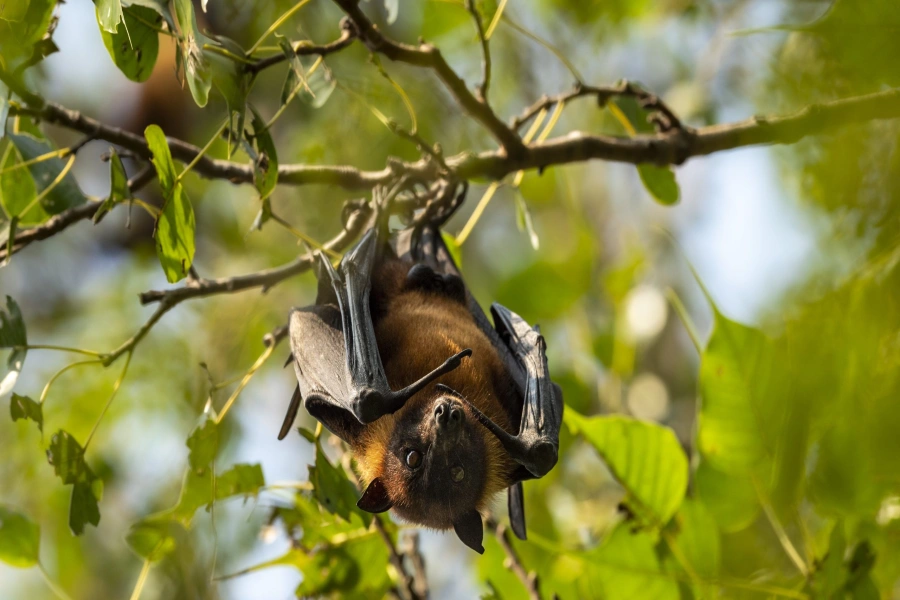
Nipah virus (NiV) infection is caused by a zoonotic virus capable of causing severe outbreaks with high pandemic potential. Zoonotic viruses—transmitted from animals (both wild and domestic) to humans—are emerging due to deforestation, climate change, and the global wildlife trade. NiV is a paramyxovirus whose natural reservoir hosts are fruit bats, commonly known as flying foxes. It is an RNA virus and is considered pleomorphic, meaning it can alter its morphology, biological functions, or reproductive modes in response to environmental conditions.
The virus attaches to host cells through its glycoprotein and fusion protein. In addition to animal-to-human transmission, NiV can also spread through contaminated food or direct human-to-human contact. The virus was named after the first reported case, which was identified in 1998 near the Malaysian village of Kampung Sungai Nipah.
Epidemiology
The first known outbreak of NiV was documented in 1998 when pig farmers and butchers in Malaysia and Singapore contracted the virus from infected pigs. The outbreak affected at least 276 people and resulted in more than 100 deaths. Since then, NiV outbreaks have been sporadically reported in Bangladesh, India, the Philippines, and Singapore.
In the Philippines, NiV infections in 2014 were linked to horse slaughter and the consumption of contaminated horse meat. South Asia—particularly Bangladesh and India—has experienced recurrent outbreaks since 2001. In Bangladesh, a distinct epidemiological pattern emerged, marked by encephalitis outbreaks. Unlike Malaysia, pig farming was not involved, as Bangladesh has a predominantly Muslim population.
According to the World Health Organization (WHO), outbreaks in Bangladesh have been associated with the consumption of contaminated raw date palm sap, close contact with infected individuals’ secretions and excretions, and caregiving practices.
In India, the first reported cases occurred in West Bengal in 2007, although retrospective investigations identified an earlier outbreak in Siliguri in 2001. During the 2001 outbreak, hospital employees and visitors accounted for approximately 75 percent of infections. Kerala has experienced multiple fatal outbreaks since 2018 and is currently considered one of the highest-risk regions for NiV globally.
In recent days (January 2026), major media outlets have reported a suspected NiV outbreak in West Bengal, India, reviving memories of the Covid-19 pandemic across Asia and prompting several countries to adopt precautionary measures. However, there is no clear evidence regarding the cause of the reported cases, particularly after decades without outbreaks in the region.
Bats that spread Nipah virus are found in abundance in Nepal

Transmission
Nipah virus spreads through direct contact with infected animals (such as bats, pigs, and horses) or their bodily fluids (blood, urine, or saliva), ingestion of contaminated food products (fruit or date palm sap), or close contact with infected individuals or their bodily fluids, including respiratory droplets.
The virus is particularly dangerous due to its high case fatality rate, which ranges from 40 to 75 percent or higher, depending on the strain.
Symptoms
The incubation period for NiV ranges from four to 21 days. The proportion of asymptomatic cases varies by strain, with up to 11 percent of infected individuals showing no symptoms. Common early symptoms include fever, headache, body aches (myalgia), nausea, vomiting, sore throat, and difficulty breathing.
As the disease progresses, patients may develop encephalitis, leading to seizures, drowsiness, mental confusion, unconsciousness, severe respiratory illness, coma, and even death—sometimes within 24 to 48 hours in severe cases. Many patients develop meningitis or encephalitis (brain inflammation).
NiV enters the human body primarily through the oro-nasal route and may cause respiratory tract infections resembling acute respiratory distress syndrome. In addition to the lungs, the kidneys, spleen, and brain may be affected, potentially resulting in multiple organ failure.
Diagnosis
Early diagnosis of NiV infection is challenging due to non-specific early symptoms but is critical for disease management, preventing transmission, and improving survival rates.
Real-time polymerase chain reaction (RT-PCR) testing can detect viral RNA in throat or nasal swabs, cerebrospinal fluid (CSF), urine, and blood during the early stages of infection, offering high sensitivity and specificity. Serological testing for NiV-specific IgM and IgG antibodies using enzyme-linked immunosorbent assay (ELISA) is recommended during later stages and recovery.
Treatment
There is currently no specific treatment or approved vaccine for Nipah virus infection. Early detection primarily enables supportive care and strict infection-control measures, including patient isolation.
According to the WHO, treatment options remain limited. The antiviral drug ribavirin has shown some promise, particularly when used alongside acyclovir as part of supportive care. The Centers for Disease Control and Prevention (CDC) reports that remdesivir may help prevent NiV infection when administered to exposed non-human primates. In addition, immunotherapeutic approaches, including monoclonal antibody therapy, are under development.
Prevention
Standard infection-control practices—such as good personal hygiene, limited physical contact, and regular handwashing with soap and water—are essential to prevent hospital-acquired transmission.
People at risk should be aware of symptoms and avoid high-risk settings such as bat-infested areas and pig farms. Individuals experiencing symptoms such as acute encephalitis, drowsiness, altered consciousness, breathing difficulties, confusion, or persistent dizziness should seek immediate medical attention.
It is strongly advised to avoid areas where bats roost and to refrain from consuming potentially contaminated products such as raw date palm sap, unwashed fruit, or fruit found on the ground. When handling sick animals or animal waste, protective gloves should be used. Effective prevention depends on public awareness, timely information, and compliance with official health advisories.
National Response
Although there is currently no evidence of NiV transmission in Nepal, precautionary measures and enhanced surveillance are necessary following reports of outbreaks in neighboring regions. Several Asian countries, including Thailand, Indonesia, and Singapore, have strengthened preventive measures. Airports in Thailand and Singapore have enhanced health screening for passengers arriving from West Bengal, India.
Nepal should similarly prepare by strengthening quarantine facilities and ensuring adequate protective equipment and medical supplies. According to the Ministry of Health and Population (MoHP), preventive measures have already been implemented to prevent the entry of the virus. Health screenings have been intensified at Tribhuvan International Airport and major border crossings with India, particularly in Koshi Province, to ensure early detection and rapid response.
The author is a Research Officer at the Kathmandu Center for Genomics and Research Laboratory in Lalitpur, Nepal.