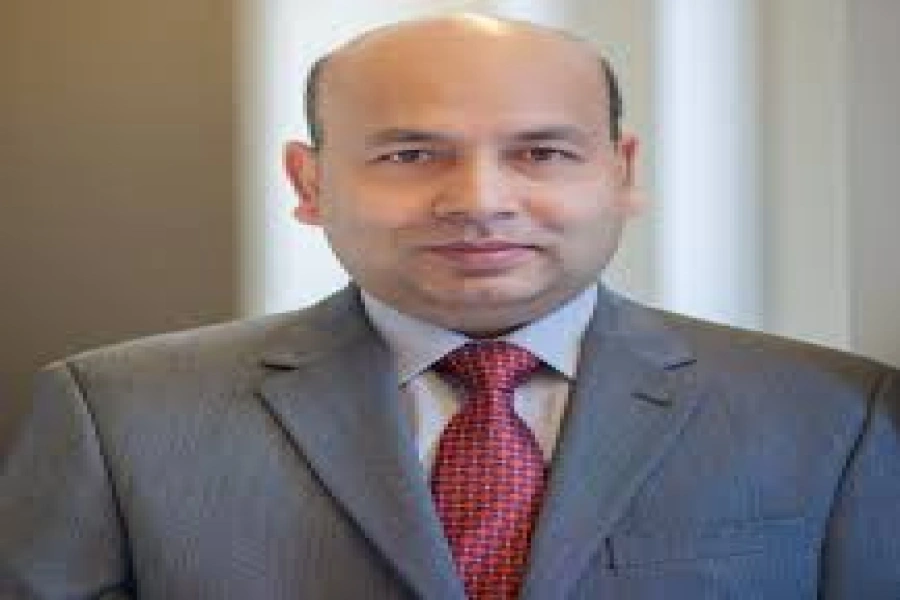
The locals, who had walked for a day to plead to ambassador Yang, who had visited Lamabagar on Friday for the inauguration of a building, claimed that they were hard done by the quarterly tax levied for generations. [break]
Yak rearing is the major livelihood of around 200 locals of Lapchi village around 14 kilometers away from Lamabagar village. "There is no pasture on our side of the border and we have to pay almost half of the earnings from yak in tax," Angthok Sherpa, 73, said.
They pay around half a kilogram ghee to the department of forests of Tibet for a yak every three months for using the Lungsang Kharka. "They count every cattle including the calves," Dachhiri Sherpa, 55, rued. The locals have complained to Nepal government about the tax but to no avail.
"They only give assurances but never took any initiative to help us. So all of us have come to visit the Chinese ambassador," stated 29-year-old Karma Hosel Sherpa.
Ambassador Yang promised to do his best to help the villagers. "Your demands and problems are just. I will take initiative to address them immediately after I return from here," Yang assured. The locals also urged the ambassador to held construct the road to border from Lamabagar.
"The locals also expressed their grievances about restrictions on travelling to Tibet and repercussions," said Chairman of Nepal China Himalayan Friendship Society Ananda Prasad Pokharel, who had reached Lamabagar along with ambassador Yang.
The locals of Lapchi use Falak, Kuti and Khasa of Tibet to buy essential goods due to lack of road on the Nepali side while staying there during the warmer half of the year. They climb down to Lumnang in September as Lapchi remains snow capped during the winter.
Related story
KMC to take action against Hotel Yak&Yeti