KATHMANDU, Nov 28: New and emerging political parties preparing for the March 5 House of Representatives election have begun to worry about the 3-percent threshold required under Nepal’s proportional representation system. The concern appears even stronger among newer parties, prompting several of them to adopt a strategy of contesting the election under a single election symbol.
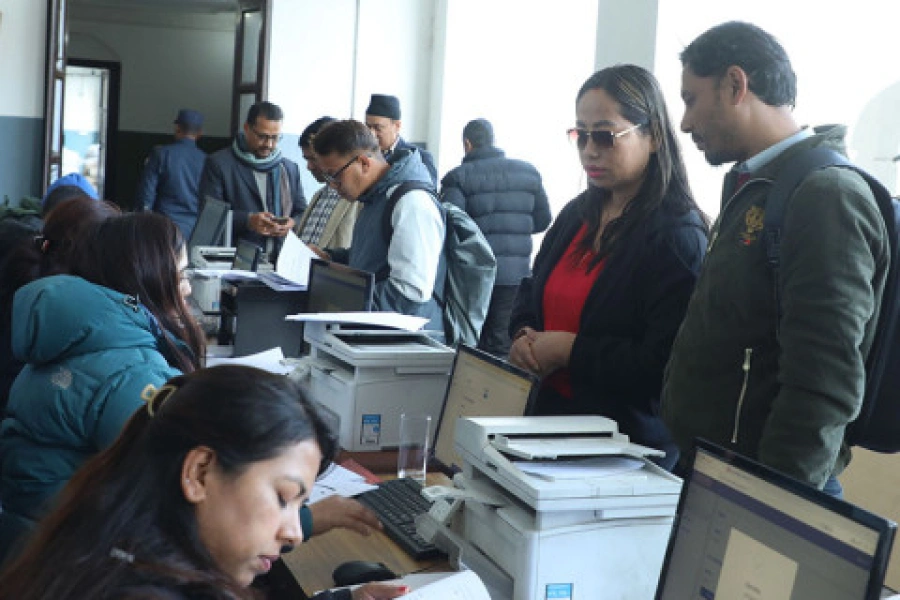
Although the Election Commission had already closed the deadline for party registration, it later extended it until November 30. With this extension, the number of parties registering specifically to contest under a unified symbol has continued to rise.
Parties say their main motivation for adopting a single symbol is to avoid falling short of the 3-percent threshold—failure to meet it would disqualify them from securing proportional seats. Some also argue that contesting under one symbol aligns with their long-term plan for eventual party unification.
64 political parties registered for PR, 3,424 candidates (with...
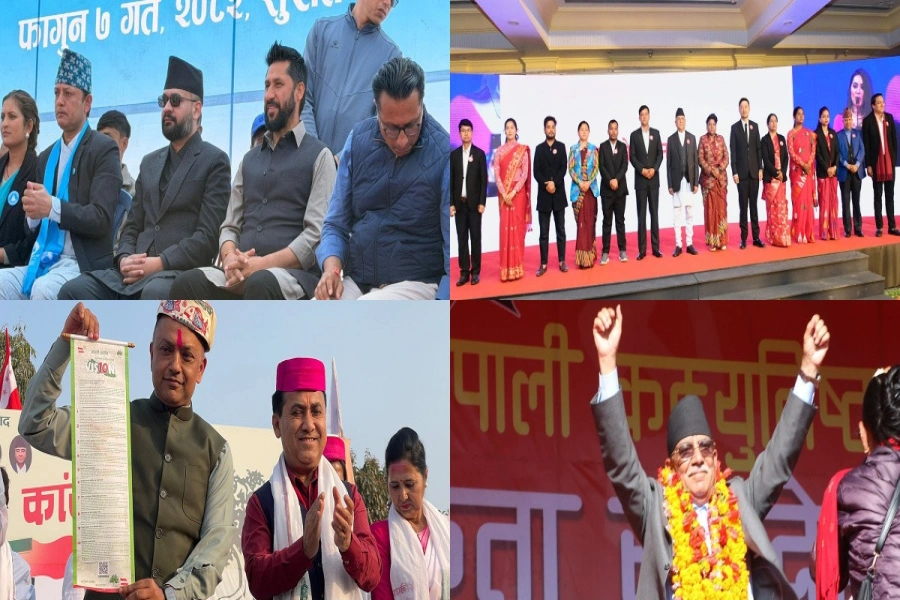
Ujyalo Nepal Party, recently formed with the support of Minister for Energy, Water Resources and Irrigation Kulman Ghising, and Hamro Party Nepal, led by Dalit rights activist Khagendra Sunar, have already announced that they will contest the polls under a unified symbol.
Sunar said new parties must unite to challenge the older parties that have lost public trust. Instead of entering the election in fragmented groups, he said, moving forward as a single force is the more logical choice.
Similarly, Nepal Sanghiya Samajbadi Party, Bahujan Ekata Party, and Nepal Janjagruti Party have also decided to adopt a single symbol. Bahujan Ekata Party leader Hari Nandan Kumar said the move is designed both to survive the threshold system and to consolidate like-minded forces advocating for the rights of marginalized communities.
He argued that contesting under one symbol does not dilute party ideology. “Our ideologies remain our own. This is only a temporary arrangement to ensure proportional representation in the upcoming election,” he said.
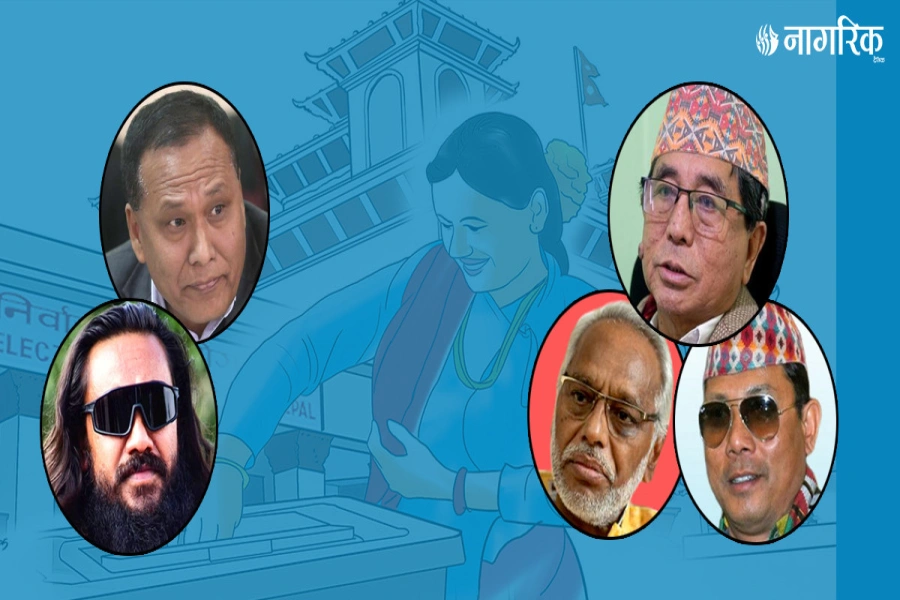
On the other side of the political spectrum, Rajendra Mahato’s Rastriya Mukti Party Nepal, Ashok Rai’s Janata Samajbadi Party, and Resham Chaudhary’s Nagarik Unmukti Party Nepal have also agreed to contest the polls with a unified symbol.
Keshav Kumar Jha, a leader of Rastriya Mukti Party Nepal, said the decision was taken to prevent proportional votes from being wasted. He added that the three parties intend to pursue full party unification and form a single parliamentary caucus after the election.




.jpg)