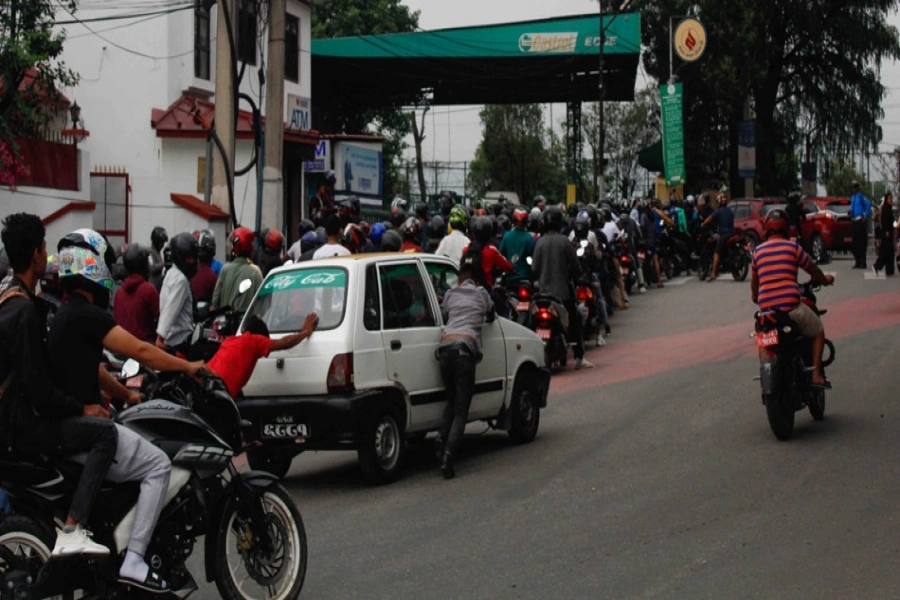
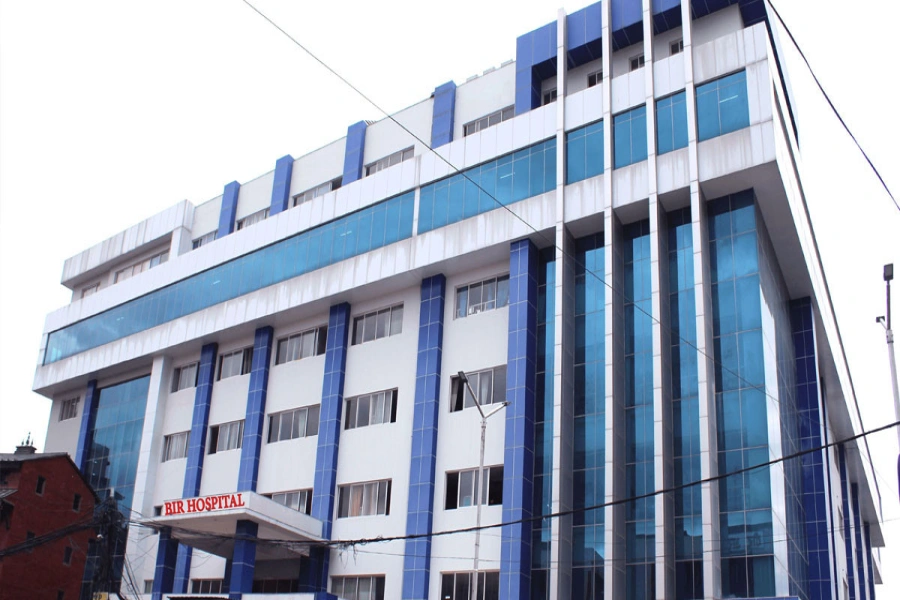
The Indian economic embargo that has been in place for the past month and a half is really beginning to bite. The prices of essential commodities like cooking oil and LPG have suddenly ballooned, when they are at all available. Black marketers are thriving. Now even vital medicines are in short supply. Bir Hospital reports that its stocks of essential medicines like saline water and antibiotics will run dry in a week. The Teaching Hospital at Maharajgunj is also facing a shortage of these medicines and it will be unable to provide emergency services, including surgeries, if its stocks are not soon replenished. These are the two hospitals the vast majority of Nepalis rely on for tertiary care. The situation outside Kathmandu is as bleak. The storekeeper for the Mid-Western region has written to Kathmandu twice asking for vital medicines, to no avail. In parts of the Eastern region even basic drugs like paracetamol and anti-diarrheal medicines are in short supply. But there are inadequate stocks even in Kathmandu. Even if it had some in stock, there would be no way to safely transport them owing to the ongoing strike in the Tarai belt.This sorry state of affairs raises some troubling questions. No sovereign country can afford to completely rely on a single supplier for essentials like fuel and medicines. Currently, not only do most medicines Nepalis consume come from India, even the raw materials for them are imported from the south. Nepali drugs right now occupy 40 percent of market share. Nepali pharmaceutical companies believe they will be able to easily meet 70-80 percent of the market need by 2025—if only the government would provide them with a little help. The government policies that favor imports, for instance, could be changed. Also eating into the profits of our drug manufacturers are acute power crisis and militant labor unions. In the absence of reliable power, most drug companies are operating at half capacity. In light of the Indian blockade and the ensuing shortage of essential drugs, it makes sense for Nepal to pursue a policy of self-reliance on drugs. But even if we can achieve self-sufficiency in the final product, it will be impossible to do so in case of the raw materials that we will have to continue to import. So our source of raw materials has to be diversified, beyond India, even beyond China. The life of a Nepali should not depend on the mood of its neighbors.
To tide over the current shortage, the major hospitals should be allowed to bypass the lengthy tender process to pick a supplier and be able to import from whichever supplier best meets their needs. Emergency medicines can also be brought via the air route from third countries. We would also like to take this opportunity to urge everyone to resist the temptation to hoard important medicines, just in case. There may be others who need them more—and right now. The economic blockade has been a rude awakening for Nepalis. But it can also be a springboard for more self-sufficiency, not the least in the all-important medicines.
Related story
Central bank tightens oversight of digital payments to prevent...