

Nepal sits in the center of the Hindu Kush Himalaya. The region holds an extraordinary range of life, from orchids in the lowlands to snow-dependent insects in the high mountains. Yet, when it comes to invertebrates, especially insects, we know very little. Our understanding remains thin and fragile. Most of Nepal’s insect life is still undocumented. We do not have precise numbers on how many species exist, where they live, or how their populations change over time. This gap is serious because our ecosystems depend heavily on insects.
The Missing Baseline
You cannot protect a species if you do not know it exists. Nepal still lacks a national baseline for insects. A few scattered studies mention butterflies or dragonflies, but no nationwide survey has ever taken place. One study updated the checklist of ants in Nepal and found only 128 species in 48 genera. The authors requested further work because the data were incomplete. Another survey from Shivapuri Nagarjun National Park openly stated that baseline information on insects remains deficient in a biodiversity-rich country like Nepal.
Older inventories, such as An Inventory of Nepal’s Insects, estimated around 5,000 species. These numbers were rough guesses. They are now outdated. New species have been discovered since then, but many more have never been studied.
Other countries completed such work decades ago. Germany tracked insect biomass for 27 years. The long-term dataset showed a 76 percent decline in flying insect biomass. In Britain, citizen science groups count butterflies each year and store the data in public databases. These monitoring programs allow scientists to observe changes over decades. Nepal does not have anything comparable. We remain almost fifty years behind. Without a baseline, we cannot detect trends. We cannot tell which insects are stable, which are declining, or which have already disappeared.
First Data, Then Conservation
Insect populations are declining worldwide. Studies from Europe and North America link these declines to habitat loss, pesticides, invasive species, and climate change. A well-known review in Biological Conservation found that more than 40 percent of insect species worldwide face decline or extinction risk.
Number of aquatic migratory birds up in CNP

Nepal cannot measure any trend because we never collected the starting point. We do not know if bees are declining faster in the mid-hills or if moths in the high mountains face greater stress from warming temperatures. We cannot compare populations because there is no baseline.
Reliable conservation starts with data. We need clear records on abundance, distribution, and seasonal variation. Only then can scientists identify which species face real danger and why. This information also matters for daily life. Insects pollinate crops like buckwheat, mustard, cucurbits, fruits, and cardamom. They support rural livelihoods. Yet many agricultural policies overlook wild pollinators. A study from South Asia warned that the absence of pollinator data makes it harder to prepare for climate stress and uncertain rainfall. If we continue without monitoring, farmers may notice lower yields long before the government understands the cause.
Neglect and Apathy
Work on insects rarely attracts interest in Nepal. It does not create dramatic photographs. There are no sweeping landscapes or large charismatic animals. Funding agencies prefer projects with fast results or high visibility. Many people still think conservation only applies to tigers, rhinos, elephants, and red pandas. Smaller creatures rarely enter public discussions.
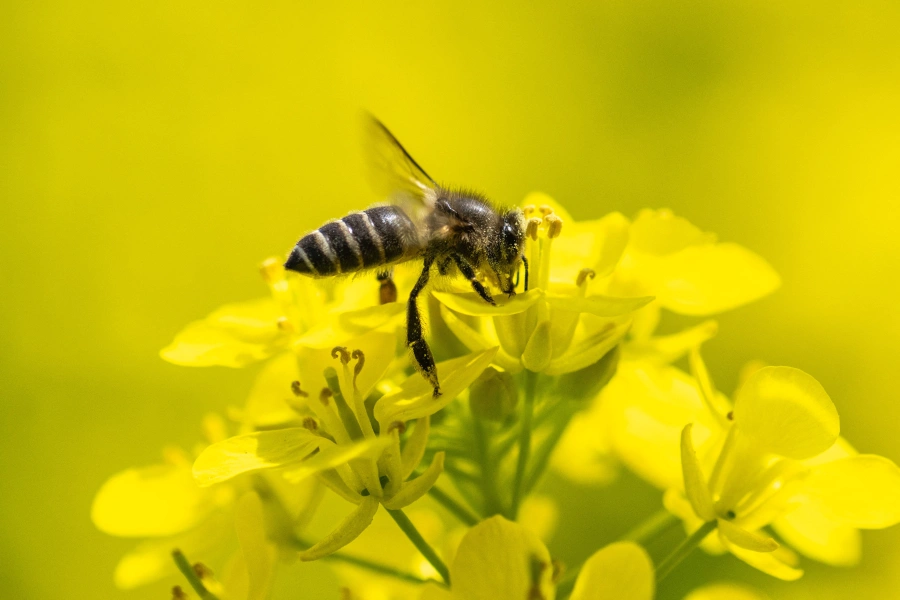
The neglect shapes how people talk about insects. When insects come up, most mention honeybees. When pollinators come up, people again mention honeybees. This pattern hides an important fact. Honeybees are domesticated. They are valuable pollinators, but they are only one part of a much larger group. Nepal has many wild pollinators, including solitary bees, hoverflies, moths, beetles, and wasps. Wild pollinators often work earlier in the morning, later in the evening, or at colder temperatures compared to honeybees. They matter just as much, but remain largely unknown.
Schools rarely teach insect diversity. Museums hold few insect collections and remain hard to access. We have a very few trained taxonomists. Young people grow up without seeing insects as part of their natural heritage. They learn to care about large animals, but the small ones that shape their forests and farms stay invisible.
Every year we wait, habitats shrink and climatic patterns shift. Unknown species vanish before we record them. Once they disappear, we lose their ecological roles as well. The decline stays silent, but the impact will not.
A Case in Point: Yarsagumba and the Hidden Moths
Yarsagumba, the fungus Ophiocordyceps sinensis, is famous across the Himalaya. Many people call it Himalayan gold. It fetches high prices in the market and supports seasonal livelihoods in high mountain villages. Yet very few people know anything about the insect behind it. Yarsagumba grows only on the caterpillars of ghost moths from the genus Thitarodes. Without these moths, the fungus cannot develop. Entire local economies depend on a relationship between a fungus and an insect that remains poorly studied.
Nepal still lacks basic data on these moths. We do not know how many species exist in the country. We have no population estimates. We do not understand their life cycles or how warming temperatures affect them. Research from the Tibetan Plateau shows that Ophiocordyceps depends on specific temperature and soil moisture ranges. The host moths also struggle as temperatures rise. These findings show clear ecological risks, yet Nepal’s discussions on yarsagumba still focus mainly on trade and income. We manage the product, not the insect that sustains it.
China, by contrast, has studied yarsagumba ecology for years. Researchers there documented the biology of the Thitarodes species, their distribution, and how climate change affects both the moth and fungus. Several universities maintain insect laboratories that rear ghost moth larvae to understand the fungus-host interaction. These studies help China regulate harvests and identify vulnerable areas. Nepal does not have similar programs. Without studying the insect, our management plans rely on guesswork.
This lack of information repeats across ecosystems. Farmers say they see fewer pollinators in their orchards. Forest guards report fewer fireflies. Locals remember evenings filled with moths that no longer appear. These observations suggest change, but we cannot confirm anything without long-term data. We cannot tell if the decline is local, temporary, or part of a larger pattern.
The Way Forward
Nepal needs to begin with the fundamentals. A national insect survey should cover forests, farmlands, wetlands, grasslands, and alpine meadows. The work must follow clear sampling methods and produce verified records. The results should feed into publicly accessible databases linked to global platforms such as the Global Biodiversity Information Facility. We also need stronger institutions. Museums and universities must rebuild their capacity in taxonomy and natural history. These fields have weakened over time, yet they form the foundation of biodiversity science. We need trained taxonomists who can identify species, maintain collections, and guide field research.
Citizen involvement can help fill the gaps. Many Western countries rely on volunteers who monitor butterflies, bees, and other pollinators. These programs generate reliable long-term data. Nepal can do the same. Schools can involve students in nature recording. Local groups can form biodiversity clubs. Mobile apps can help people photograph insects and upload observations. Citizen science helps generate data and brings people closer to nature.Regional organizations, such as ICIMOD and IUCN Nepal, could help coordinate a Himalayan-wide insect baseline project, following the model of the Hindu Kush Himalayan Biodiversity Information Facility.
At the Center for Environmental and Sustainable Agricultural Research (CESAR), we have taken small steps in this direction. We study insects associated with mistletoes. This group has never been examined in Nepal. Our team looks at how altitude and season affect the insects that interact with these parasitic plants. The work may seem modest, but it helps build a baseline that the country urgently needs. Nepal must fund and encourage research like this. Applied science and conservation programs matter, but they depend on strong basic research. Without the fundamentals, every decision stands on fragile ground.
Building a Future with Knowledge
Insects form the base of many ecosystems. They support agriculture, forests, and daily life in ways most people never see. Nepal cannot protect what it has not yet documented. We need to find, identify, count, and study our species before they are lost. Only then will we understand what we have and what we risk losing.





