After the Gen-Z movement began on September 8, the situation in the country changed dramatically. The young people — those born between 1997 and 2012 — had risen spontaneously against rampant corruption and for meaningful change in the country’s governance. Born into the digital age and raised alongside computers, this generation consumes and processes information differently. They are true citizens of a global village — easily inspired by achievements or movements taking place elsewhere in the world. It was this very sense of global awareness and shared purpose that first propelled them forward. However, on the very first day of the movement, infiltrators manipulated events to serve their own agendas, driving the situation to a breaking point that led to the tragic loss of 20 young lives. The aftermath of that manipulation was visible on September 9, when the country witnessed an unprecedented wave of destruction, arson and vandalism. Even in Nepal’s long history of political upheavals, such chaos and lawlessness had rarely been seen. Though the Gen-Z movement belonged to the youth, it lacked central leadership or an organised institution to guide it. What began as a movement of pure intentions — a collective call for change — turned violent. Behind that shift, the role of deliberate instigators is unmistakable. The extensive riots that followed brought nothing but pressure, pain and disillusionment for the very generation that had initiated the protest. There is little pride to be found in an agitation that ended up harming the nation’s own property, heritage and resources. In the political aftermath, a new government led by former Chief Justice Sushila Karki has taken charge, while the once-powerful administration of KP Sharma Oli — backed by a near two-thirds majority — has collapsed, and parliament stands dissolved.
Change of Guard and OBOR

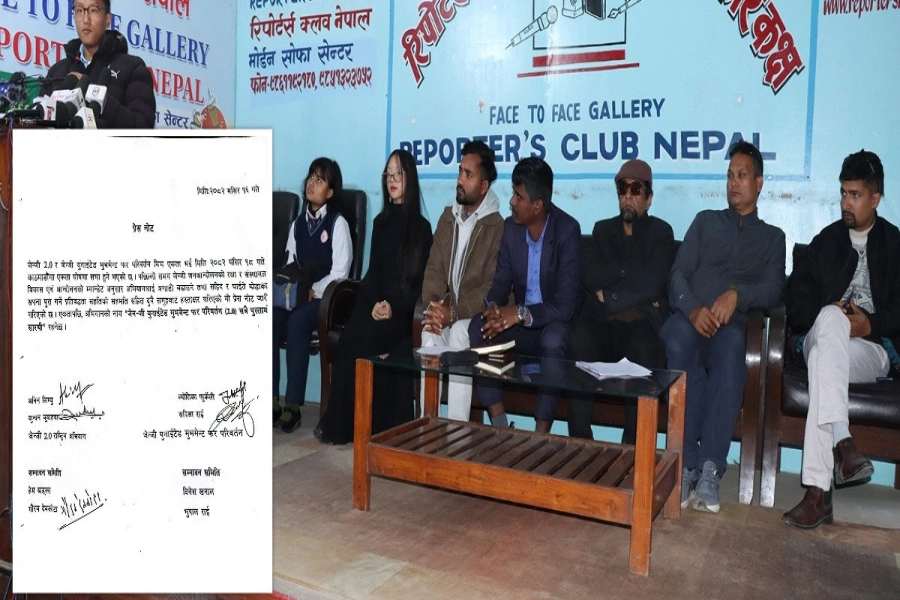
Amid the damage and loss, questions are being raised about the Gen-Z youth themselves. Many believe that others used their movement for ulterior motives — as if someone else had fired the gun from their shoulders. It is, therefore, the responsibility of Gen-Z activists to unmask the hidden forces that tarnished their cause and attacked the nation’s assets. If they are to protect the integrity of their movement, they must expose those who looted and burned under the false banner of patriotism. This was not an assault orchestrated by a foreign enemy, but a calculated exploitation of the frustration and anger of Nepal’s own youth — a blow struck at the heart of the nation from within. If those who sought to reduce Nepal to ashes are not identified and held accountable, the door will remain open for others to do the same. Such impunity risks feeding authoritarian tendencies, for when insecurity spreads, those with dictatorial ambitions will emerge under the guise of restoring order. The names of those who secretly attacked and destroyed livelihoods are gradually surfacing — and action against them must be ensured if the movement’s dignity is to be preserved. Generation Z is far from monolithic. A group called Gen-Z United for Change has already recognised the need to unify the many fragmented youth-led campaigns operating under different banners. They have urged the government to play a guiding, parental role — but real transformation, they understand, must come from the youths themselves. Many of Nepal’s current political leaders began their political journeys at the age of today’s Gen-Z. Now, this generation too stands at a political crossroads. They must take responsibility, engage meaningfully and help steer the nation in the right direction. If they fail to do so, politics will inevitably fall into the hands of those who engineered the destruction of September 9.
What Nepal lacks today is not a new form of governance but genuine good governance. With integrity and accountability on the part of those in power, even imperfect systems can deliver positive results. History shows that capable leaders can achieve stability and progress even within so-called authoritarian structures. In Nepal, however, democracy itself has been discredited — not by its detractors, but by those who govern in its name. For years, many have warned that the real threat to the republic may come from republicans themselves. Indeed, the current crisis is the creation of the very political parties entrusted with protecting democracy. Instead of searching for new systems that might once again destabilise the nation, the focus should be on restoring balance, ensuring accountability and strengthening good governance within the democratic framework. Just as the Gen-Z movement was hijacked, its agenda too must not be allowed to be stolen.







.jpg)