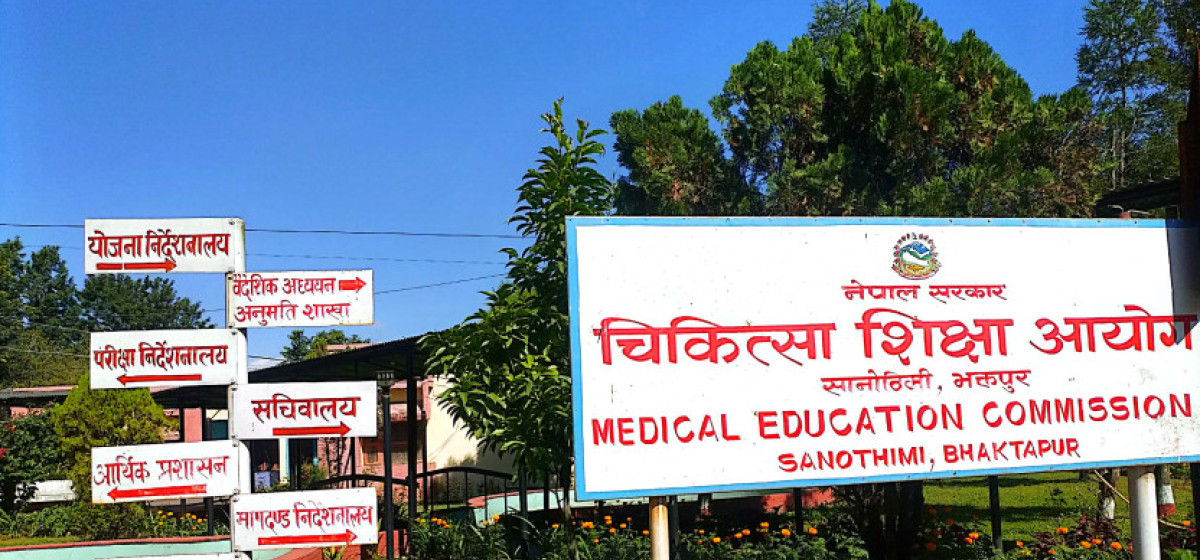
The Medical Education Commission's recent approval of 1,394 new seats in health education programs is a milestone for Nepal. In its 21st meeting presided over by Prime Minister KP Sharma Oli, the Commission approved 495 MBBS and 440 BSc Nursing seats along with additions in other fields. With this, the total MBBS seats in Nepal stand at 2,635 and nursing seats at 2,430.
Prime Minister Oli was of the view that the ‘we can produce skilled doctors within the country’ through service-oriented education, and the infrastructure is sufficient and that the new seats can also be used to accommodate foreign students, boosting Nepal's economy. Dr Padam Bahadur Khadka, member of MEC and Chairman of the Association of Private Health Institutions Nepal, emphasized that increasing capacity will end the exodus of Nepali students to India, Bangladesh, and the Philippines.
Nobel-worthy

He shared that students tend to go abroad for MBBS and nursing because there are few seats in medicine, resulting in capital flight. The increase in medical seats will rein in this and have a positive effect on the local economy. Since 75 percent of the students in government programs read on full scholarships and private colleges are also obliged to provide 10 percent scholarships, the financial relief to families will be substantial.
For most Nepali families, it is both expensive and emotionally draining to send children overseas to study medicine. Allowing them to study here will save billions in addition to ensuring that future doctors learn the health realities of this country. The increase in seats also matches Nepal's goal to become a regional center for medical education. This will create opportunities for foreign students and generate revenue that can improve teaching hospitals and faculty development. However, increasing numbers should not come at the expense of quality. Past experiences have already shown us how private institutions can play with fees, compromise on teaching standards and exploit students. Dr Govinda KC, a long-time campaigner for reforms in medical education, has cautioned that permitting colleges unlimited expansion can result in churning out poorly qualified doctors who could continue malpractice in the health sector. His concerns cannot be ignored either.
Quality control is now the primary responsibility of regulators. Adding more seats is only part of the task. The bigger challenge is ensuring those seats produce skilled professionals. Colleges must show that they have the necessary hospitals, labs, and faculty before they can expand their enrollment. The Commission has set rules, such as having 100-bed hospitals and sufficient land and funding to start a medical college. These rules must be followed strictly. Any exceptions will harm patients and students in the long run. Expanding opportunities for future doctors and nurses is a positive move, but careful supervision is essential for this initiative to truly benefit Nepal. If done properly and carefully, the country will not only save billions of rupees by keeping students at home but will also produce a generation of health workers who understand local issues and are ready to serve as doctors, nurses and other health practitioners.