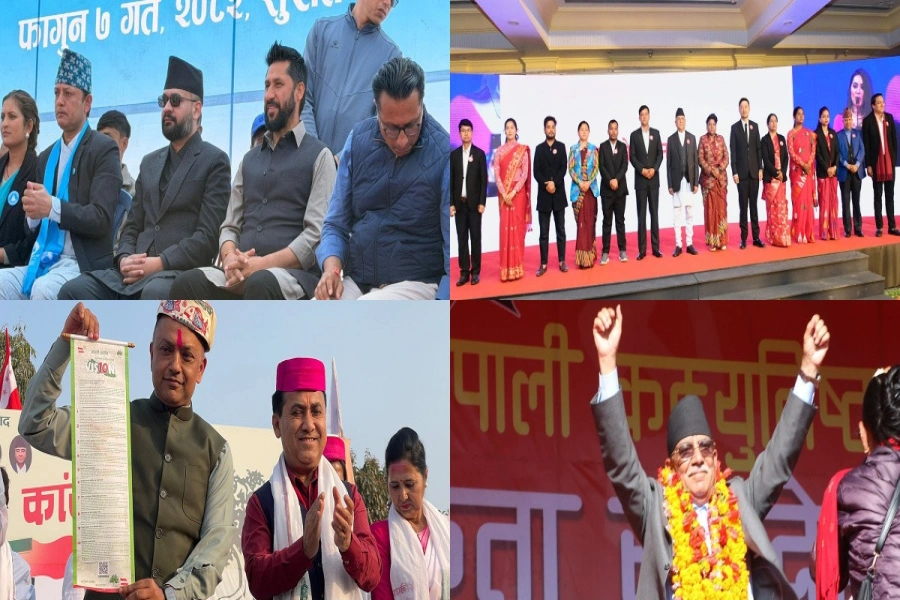
KATHMANDU, Dec 28: The Gen Z movement has brought forward the House of Representatives elections, originally scheduled for 2084, by two years. The interim government is preparing to hold the elections on March 5, 2026. Both old and new political parties are preparing for the elections in their own ways.
Some local representatives are planning to contest the House of Representatives elections before completing their current terms. The terms of these locally elected representatives still have 17 months remaining. They were elected by the people to serve their full terms. According to local governance experts, leaving the term incomplete is a betrayal of the people and a disregard for the mandate.
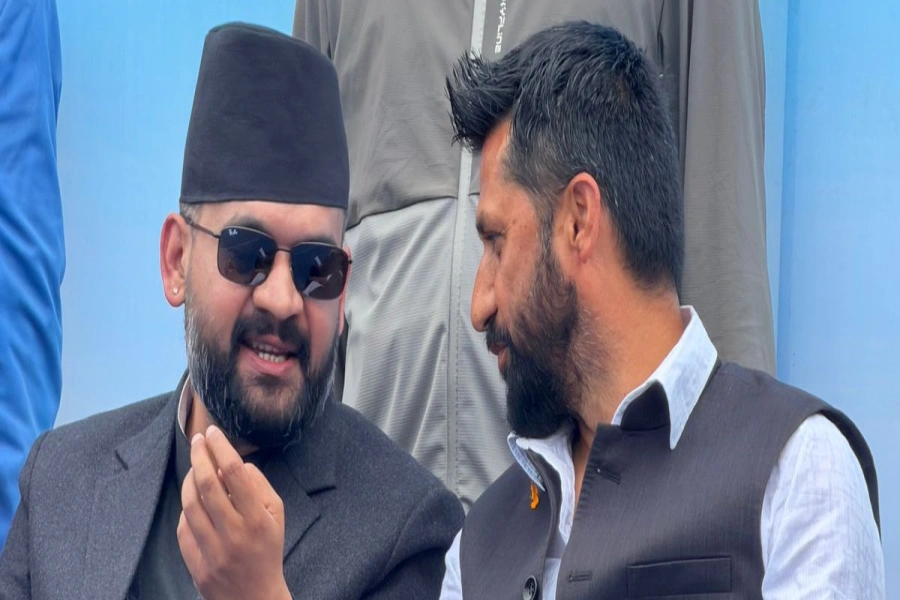
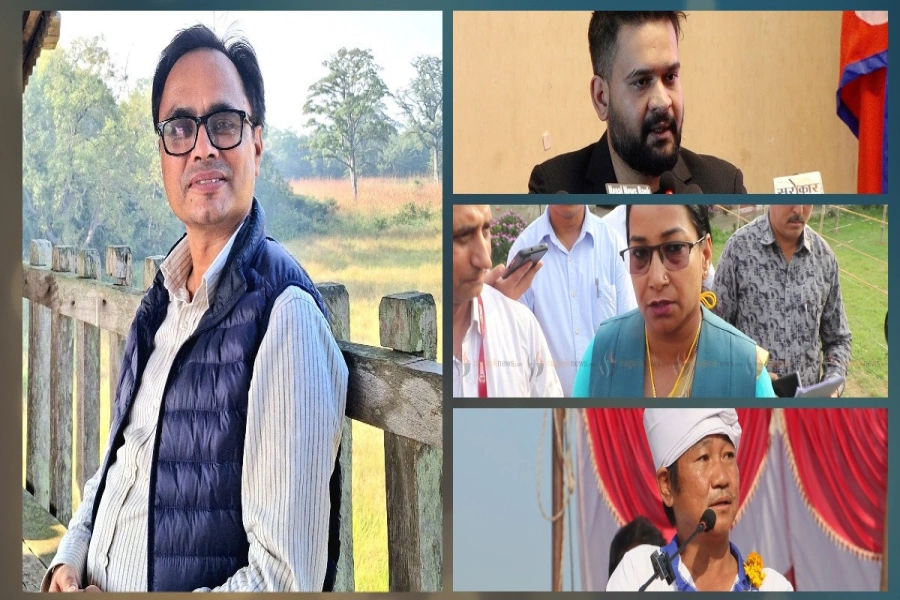
Three years ago, Balendra Sah (Balen), Harkraj Rai (Sampang), Renu Dahal, and others assumed leadership of their local governments with public approval. Now, before completing their terms, they are preparing to contest for federal parliamentary seats. Sah is the Mayor of Kathmandu Metropolitan City, Rai of Dharan Sub-Metropolitan City, and Dahal of Bharatpur Metropolitan City. Sah and Rai won as independents, while Dahal was elected mayor from the then-Maoist Centre. All three were elected in the local elections held in Baisakh 2079.
By attempting to contest federal elections before completing their five-year terms, Sah, Dahal, and Rai have begun to give the public a sense of betrayal. If they intend to participate in the House elections, they must resign as mayors before registering their candidacy. In such a case, the positions they represent in local government become vacant, breaking the mandate. Breaking the mandate is a betrayal.
Police units return in Lalitpur, beat restored in Dang

Sah defeated candidates from UML and Congress to become Kathmandu Mayor. He won with 61,767 votes, while Congress’ Srijana Singh received 38,341 votes, and UML’s Keshav Sthapit got 38,117 votes. While maintaining local government leadership, Sah managed to retain his popularity despite criticism from federal leaders and established parties. Using this popularity, he is now preparing to make his presence felt in federal politics.
Sah is planning to move forward under the banner of the “Desh Vikas Party.” He is in discussions with Rastriya Swatantra Party led by Rabi Lamichhane and shadow leader of Ujyaalo Nepal Party, Kulman Ghising, about potential electoral cooperation. If the talks do not result in collaboration, Sah intends to contest the House elections through his own party. How Sah will proceed in the federal elections is still unclear, and he has not commented publicly. He has, however, been campaigning as if he will run against UML chairman KP Oli.
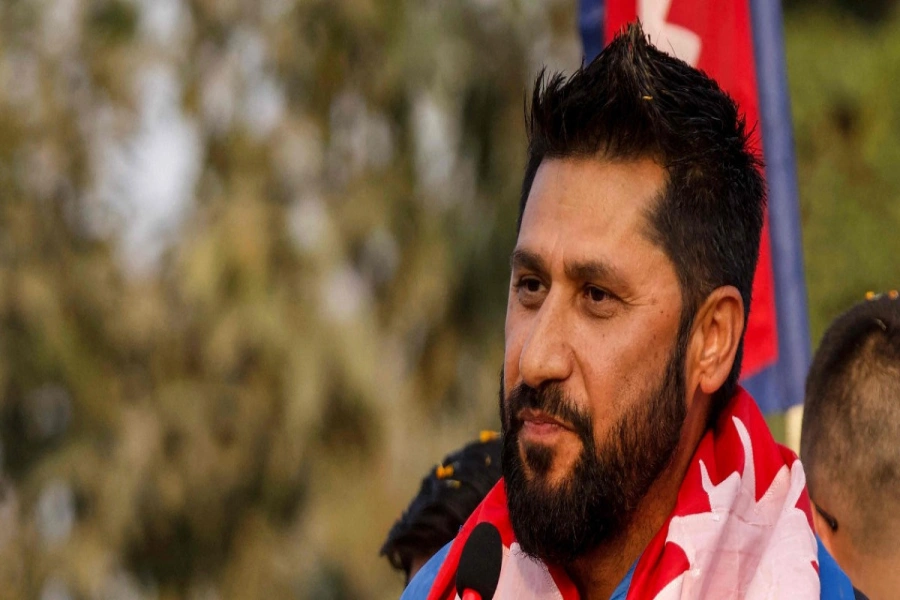
Rai, known for his labor donation campaigns in Dharan, has registered his “Shram Sanskriti Party” with the Election Commission to launch his House election campaign. Having traveled across provinces from Sudurpaschim to Koshi, Rai is now focusing on the eastern region, drawing in former Communist and Congress activists to his party. After the Gen Z movement, Rai came to Kathmandu aiming to become Prime Minister, but when things did not go as planned, he formed a party to contest the federal House elections. The public, having approved Rai for a five-year term in Dharan Sub-Metropolitan City, now feels betrayed as he contests federal elections mid-term. Rai won the mayoral election with 20,821 votes, defeating Congress’ Kishor Rai, who received 16,059 votes. Since being elected, Rai has remained both popular and controversial, often using social media to target opponents, a tactic also used by Mayor Sah.
Mayor Dahal of Bharatpur also shows signs of moving into federal politics mid-term. Elected for a second five-year term in 2079, Dahal has been nominated by the Nepal Communist Party to contest the House elections from Chitwan-3 on Falgun 21. Dahal had won her first mayoral term in 2074 by 203 votes and defeated the RPP-UML alliance candidate Vijay Subedi by over 12,000 votes in 2079.
Not Completing the Mandate is Betrayal: Bimal Pokhrel
Local governance gives full authority to local leaders. The law provides them with control over budget and resources. Currently, local leaders have effectively exercised their powers. Local government is closest to the people. Large infrastructure projects require federal support and cannot rely solely on local budgets. Yet, leaders have marketed themselves using federal projects, misleading the public, which helped establish their position. Once in the federal parliament, that illusion disappears.
Local representatives have the space to implement development and manage budgets from within local government. Leaving this space to contest federal elections is a betrayal. It is better to complete the term before pursuing federal ambitions, respecting the mandate.
Mayors like Balen Sah, Harkraj Rai, Gopi Hamal, and Renu Dahal must remember that they are leaders of the government closest to the people. Forming new parties mid-term to contest higher-level elections breaks the mandate and betrays the public. They should consider federal ambitions only after completing their current term. Even if they form new parties but do not run for the House elections, their mayoral positions remain intact. If they become candidates, they must resign.
Election law states that if a vacancy occurs with six months remaining in a term, a by-election should be held, but the government may choose not to hold it. By-elections cost the state money, so the likelihood of holding them is now low. Independent or sole winners who resign allow parties to manage the position easily. Otherwise, only party leaders retain the mayoral seat.
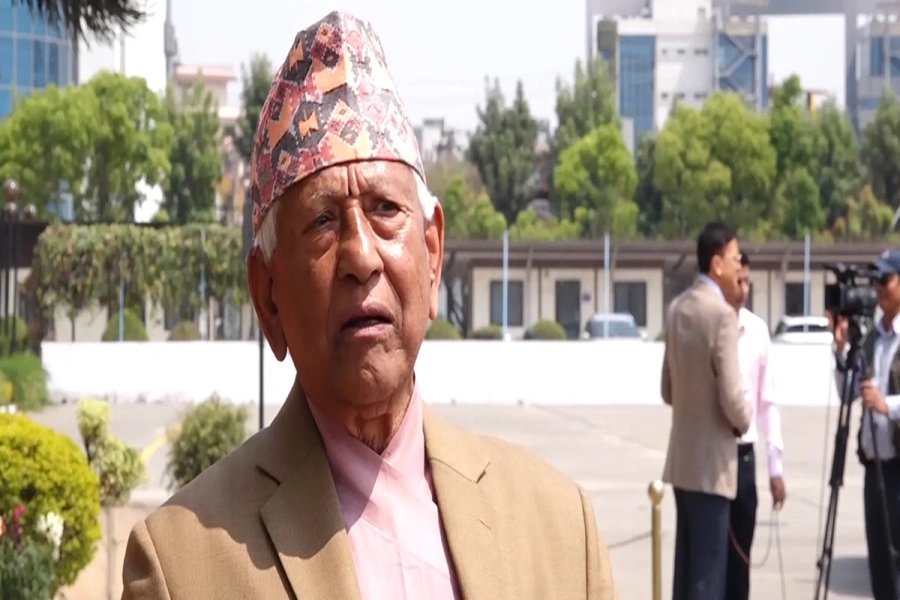
(This write-up is based on a conversation with local governance expert Pokhrel.)




-1774196637.webp)