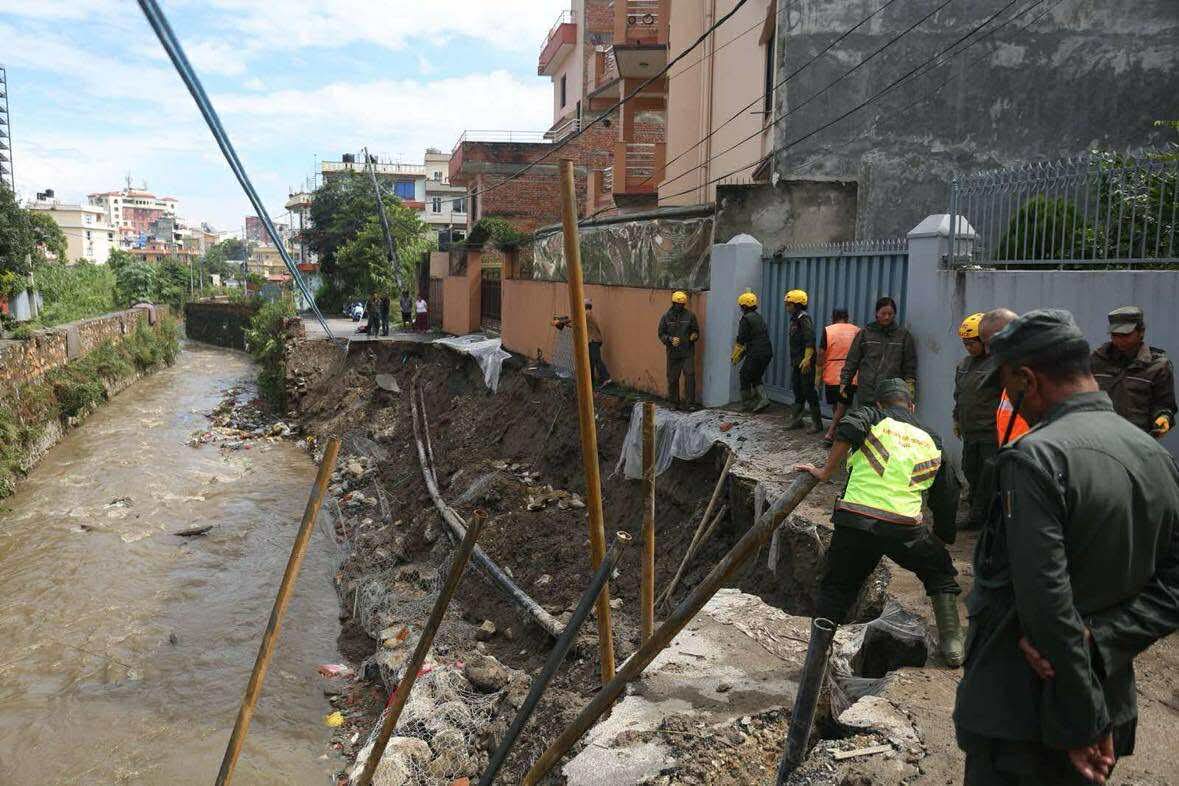
Nepal recently faced the ordeal of incessant rain-triggered disasters across the nation that caused widespread destruction, death, and disruption to normal life. The disasters hit the nation on the heels of a deadly Gen Z protest that witnessed several lives lost and a number of key government and private buildings reduced to ashes. Various incidents of disasters have claimed 285 lives since last April, with 27 reported missing. The most recent disaster resulted in the loss of 44 lives in a single day, with five people still missing, underscoring the level of natural calamities that persistently hit the lives hard. Ilam has been particularly badly affected, with a landslide claiming 37 lives, while a total of 50 districts have suffered varying degrees of impact. In addition to landslides and floods, other disasters such as lightning, fire, storms, and incidents of snake bites and attacks by animals have been added to the casualty list.
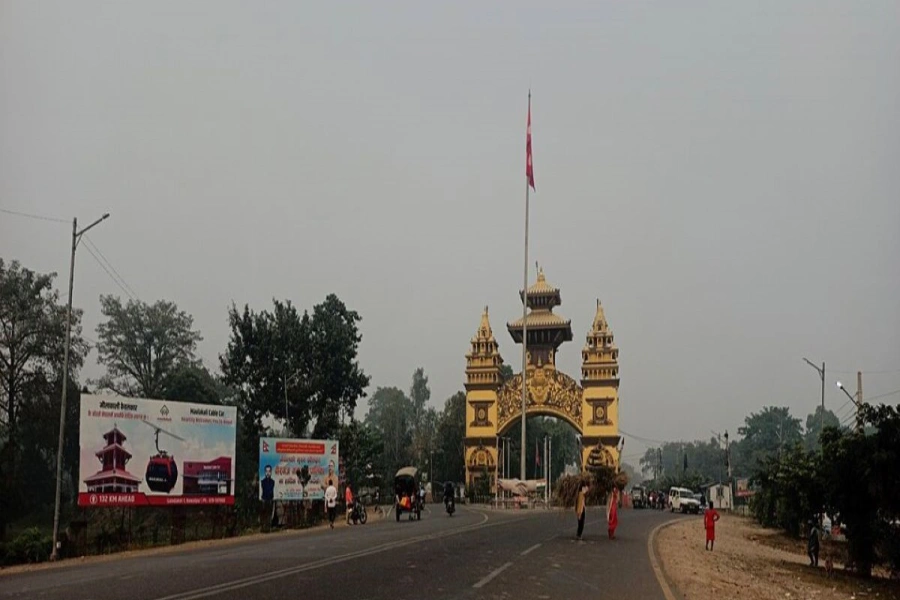
Infrastructure nationwide has been the worst affected, with 18 vital road segments along main highways currently blocked at the moment. The Koshi Highway at Sankhuwasabha, Siddicharan Highway has been blocked. Similarly other vital highways such as Mid-Hill Highway, Mechi Highway, Araniko Highway, BP Highway and Nepal-China Friendship Bridge, have experienced either complete or partial closures. Apart from creating mobility problems, such interruptions also pose a risk to the vital supply of necessary goods and commodities while impacting relief and rescue works. People travelling to homes and other places during the festive period have still remained stranded for several days. Also, as many as 13 hydropower plants suffered some form of damage, causing disruption to power supply and loss of vital resources.
74 MW from Rasuwagadhi Hydropower resumes supply to national gr...

In spite of the active role of the government in putting out timely weather alerts and putting rescue teams on high alert, considerable losses of lives and property have been incurred. Forecasts and alerts remain indispensable, but such events highlight the need for more accurate and swift communication, particularly to remote and vulnerable communities. The approach needs to go beyond announcing warnings and being ready; it must make sure that people in the most remote areas get actionable information quickly so that lives and property are saved. The time has also come for attention to shift from response towards rehabilitation. Relief needs to be provided immediately, while compensation should be handed over to victims so that they are able to reconstruct their lives. Roads, bridges, and other essential infrastructure need quick repair so that connectivity is restored and the economy as well as society gains quick recovery.
The recent rains have been a harsh reminder of how Nepal is vulnerable to natural hazards. Although weather forecasting and emergency planning were in place in advance, the high magnitude of loss this year necessitates a more coordinated approach that includes forecasting, early warning, rapid response, and post-disaster rehabilitation and repair works. A long-term plan for a holistic approach to increasing disaster resilience, especially in the most vulnerable districts, is necessary. Communities and the government need to work together so that when the next disasters lurk, the lives, property and public infrastructure suffer no loss or little damage.


.jpg)