

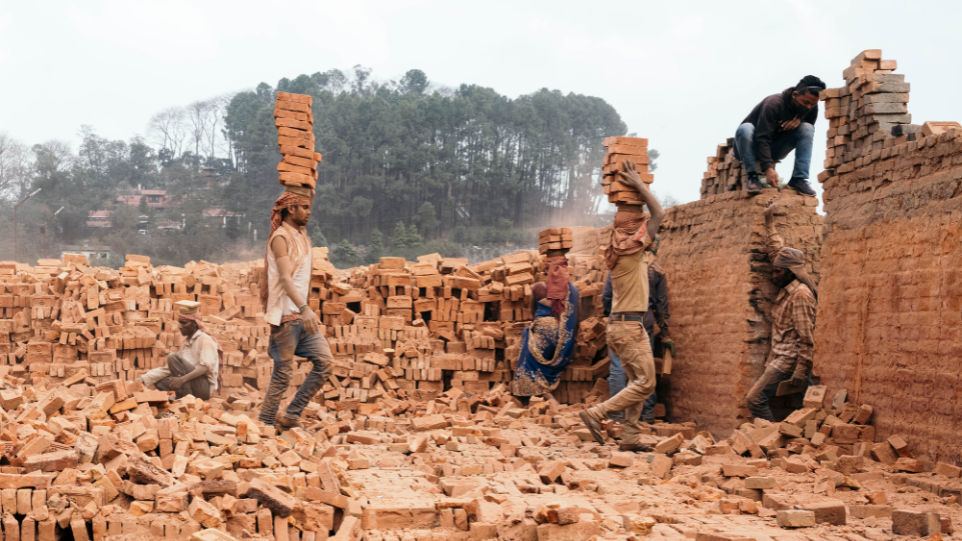
KATHMANDU, Oct 31: Climate shocks are increasingly pushing vulnerable families in rural Nepal to send their children into hazardous labour, according to a new study that for the first time establishes a direct link between climate impacts and child and forced labour in the country’s brick and carpet industries.
The report, released by GoodWeave International and New ERA, draws on three decades of climate data and interviews with more than 1,000 participants across eight climate-affected districts in Nepal. It finds that prolonged droughts, floods, landslides, heatwaves and other extreme weather events are disrupting agriculture and food security, forcing families to migrate to urban centres for work.
Many of those displaced — including children — end up in carpet factories and brick kilns in Kathmandu Valley, sectors already flagged for high risks of child and forced labour.
SHIFT for Our Planet: Youths urge authorities to make climate j...

According to the study, titled From Risk to Resilience, 35 percent of adult workers and parents of child labourers said climate events influenced their decision to work, or have their children work, in these sectors, while 17 percent cited climate pressures as an “extreme” factor. Among brick kiln workers, 73 percent identified climate stress as a contributing factor, with nearly half describing the influence as extreme.
Participants reported falling crop yields and declining household food supplies, leading them to take loans, migrate, or rely on low-paid, dangerous work. The report notes that debt, land access and food security were key variables in determining whether climate impacts pushed families into labour exploitation.
The study calls for urgent action from government and industry, including targeted protections for climate-vulnerable workers and children, strengthened agricultural resilience, improved livelihood opportunities, and expansion of social protection and labour safeguards in Nepal.
“When families face hardship from failed harvests or loss of income, they often feel they have no choice but to send their children to work,” said Hem Moktan, Senior Programme Manager at Nepal GoodWeave Foundation. “This report makes those connections clear and provides a roadmap.”
“Families are under immense pressure as climate disasters grow,” added Sadikshya Nepal, Director of Advocacy and Communications at GoodWeave International. “If education, safe work and livelihood support are not reinforced, more children will be pushed into hazardous labour.”
The findings were shared globally, including during Climate Week in New York and at events in Kathmandu and at ISEAL Members’ Week, as part of efforts to mobilise policy action and international support.





