KATHMANDU, March 16: Nepal’s economy has entered a period of negative real interest rates for the first time in seven months, a key indicator that the country is grappling with a severe economic downturn.
According to data from Nepal Rastra Bank (NRB), the average interest rate on deposits at several commercial banks has fallen to as low as 2.93 percent. In contrast, the national inflation rate currently stands at 3.25 percent. This means the inflation rate has surpassed the average bank interest rate by approximately 0.32 percent, resulting in a negative real interest rate—where the value of savings effectively shrinks over time.
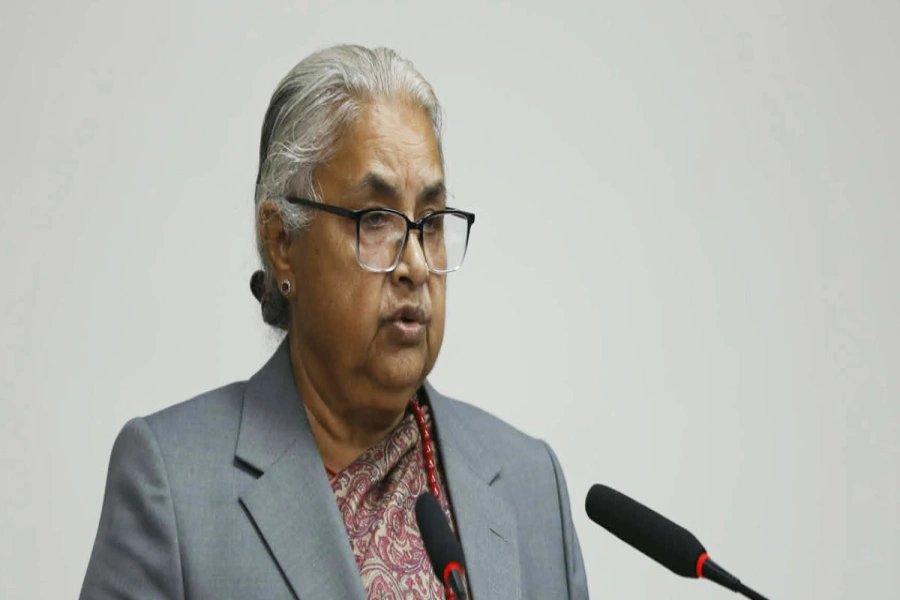
Former NRB Executive Director Nara Bahadur Thapa stated that this development is a classic sign of a looming economic recession. "In this context, people tend to save less due to the low returns, while their purchasing power is simultaneously eroded by high inflation," Thapa explained.
Revised interest rate corridor system introduced
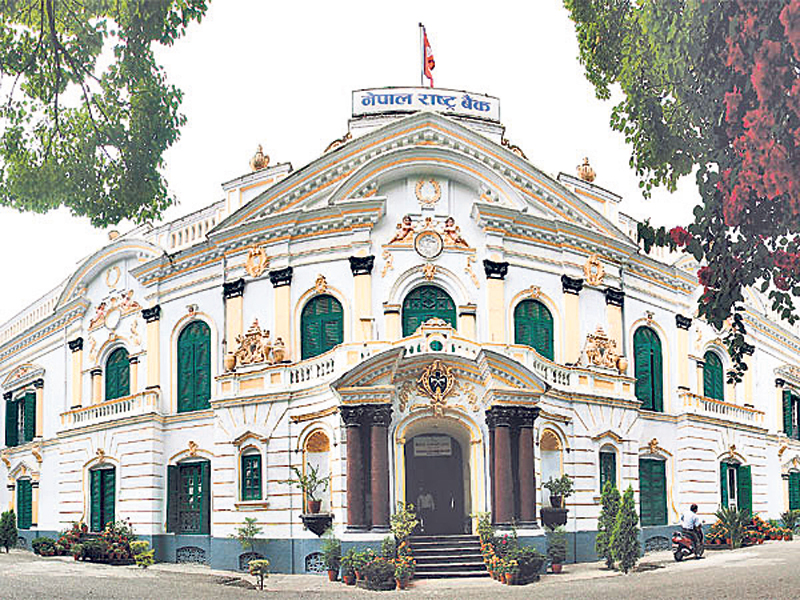
The trend of declining rates is set to continue. For the month between mid-March and mid-April, commercial banks have further reduced interest rates, with individual fixed deposits now offered as low as 4.11 percent per annum.
An analysis of statements from 20 commercial banks reveals that six have lowered their rates for the coming month, while 14 have maintained them. On average, banks have reduced rates on individual fixed deposits by 0.08 percent. This brings the average interest rate on such deposits down to 4.49 percent from last month’s 4.75 percent. Similarly, the rate on institutional fixed deposits has been adjusted to 3.29 percent from 3.33 percent.
Nepal Bank led the reduction, cutting its rate by 0.6 percent in an effort to minimize its cost of funds. Other banks that lowered rates include Standard Chartered Bank, Kumari Bank, Agriculture Development Bank, Prime Commercial Bank, and Global IME Bank.
Bankers attribute the consistent downward revision over the past year to their inability to expand lending, forcing them to cut operating costs. NRB data shows that while total deposits in the country’s financial system have swelled to Rs 7.744 trillion, outstanding loans stand at just Rs 5.844 trillion.
The average credit-to-deposit (CD) ratio of banks and financial institutions (BFIs) is just 74.19 percent, well below the regulatory cap of 90 percent. This significant gap confirms that BFIs are sitting on an excessive amount of idle, loanable funds.