KATHMANDU, March 15: Pakistan has decided to slash the salaries of employees working in state-owned enterprises and other government-backed institutions by 5 to 30 percent as part of a widening austerity drive aimed at tackling the economic fallout from rising fuel prices and broader economic challenges, according to a report by Dawn.
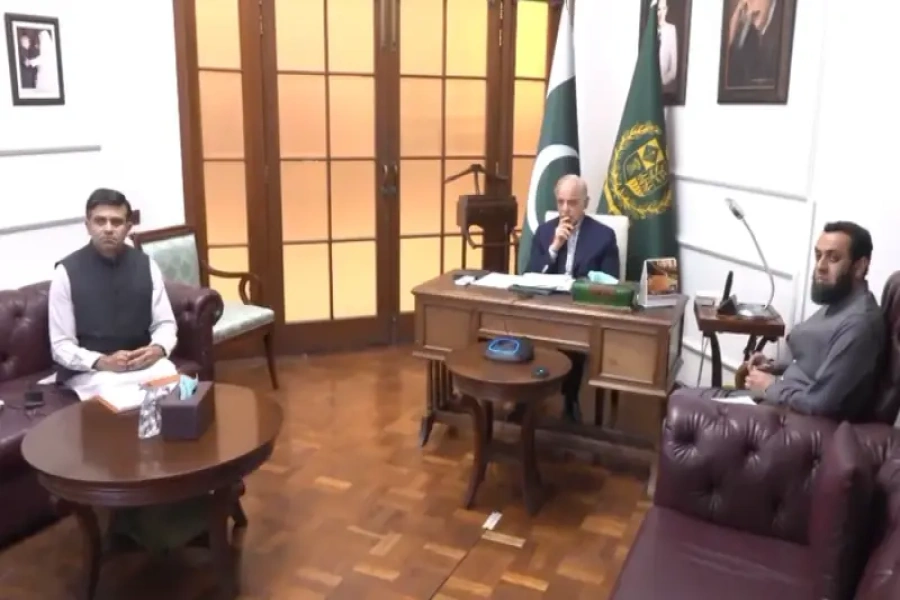
The decision was taken during a high-level meeting chaired by Prime Minister Shehbaz Sharif on Saturday to review the impact of rising petroleum product prices and the implementation of austerity measures introduced by the government amid ongoing geopolitical tensions in the Middle East.
According to Dawn, the salary cuts will apply to employees of the State-Owned Enterprises (SOEs) and autonomous institutions operating under government patronage, extending earlier measures announced for government employees. Authorities said the funds saved through the pay reductions and other austerity steps would be used exclusively for public relief programmes.
The austerity package was introduced after global oil prices surged following a conflict involving the United States and Israel and Iran, which has significantly increased domestic fuel prices in Pakistan and put additional pressure on the country’s fragile economy.
Salaries and allowances of Speaker, Deputy Speaker withheld unt...

Saturday’s meeting was attended by several senior officials, including Finance Minister Muhammad Aurangzeb, Petroleum Minister Ali Pervaiz Malik, Information Minister Attaullah Tarar and Minister of State for Finance Bilal Azhar Kayani, along with other senior government officials.
The meeting also reviewed a range of previously announced austerity measures aimed at reducing public spending and fuel consumption. As part of the plan, the government will ground around 60 percent of official vehicles and cut fuel allocations for government vehicles across departments by 50 percent. Authorities said a third-party audit would be conducted within the next two months to assess the implementation of these decisions.
Officials also confirmed that the government has imposed a complete ban on the purchase of new vehicles and other government procurements as part of the cost-cutting drive.
Another measure includes setting aside the next two months’ salaries of cabinet members, ministers, advisers and special assistants to the prime minister for public welfare initiatives.
The government has also announced a complete ban on foreign visits by ministers, advisers, special assistants and government officials, instructing them to prioritise teleconferencing and online meetings instead.
In addition, corporations and institutions where government representatives serve on boards will no longer charge participation fees, with those funds also being redirected toward public savings.
Prime Minister Sharif has further instructed Pakistani embassies worldwide to observe Pakistan Day on March 23 with maximum simplicity, reflecting the broader austerity campaign.
Meanwhile, a separate meeting of a government committee formed to monitor petroleum prices reviewed the country’s fuel supply situation. The meeting, chaired virtually by Finance Minister Aurangzeb, examined national stock levels of crude oil and refined petroleum products, import arrangements and supply chain logistics.
According to the Finance Ministry, the committee noted that petroleum product stocks across Pakistan remain at comfortable levels, with supply chains functioning smoothly and additional shipments being arranged to strengthen national reserves.
Officials also reviewed recent volatility in global crude and refined petroleum markets triggered by geopolitical developments in the region. The government said it would continue closely monitoring international energy markets and preparing contingency scenarios to safeguard Pakistan’s energy security and economic stability.
Authorities added that fuel conservation measures and demand-management options are also being considered to reduce import pressure during periods of global price volatility.