But Pokharel has proved that his decision to organize KITF every two years since 2006 was a right one. Since then, KITF’s sphere has widened as theatre artists of greater reputation and caliber are keenly participating in the event. The third KITF that kicked off on 17 November has revealed some important things to us. We realized that Nepali audience has become more receptive new ideas and of foreign theater artists belonging to various schools and practices.
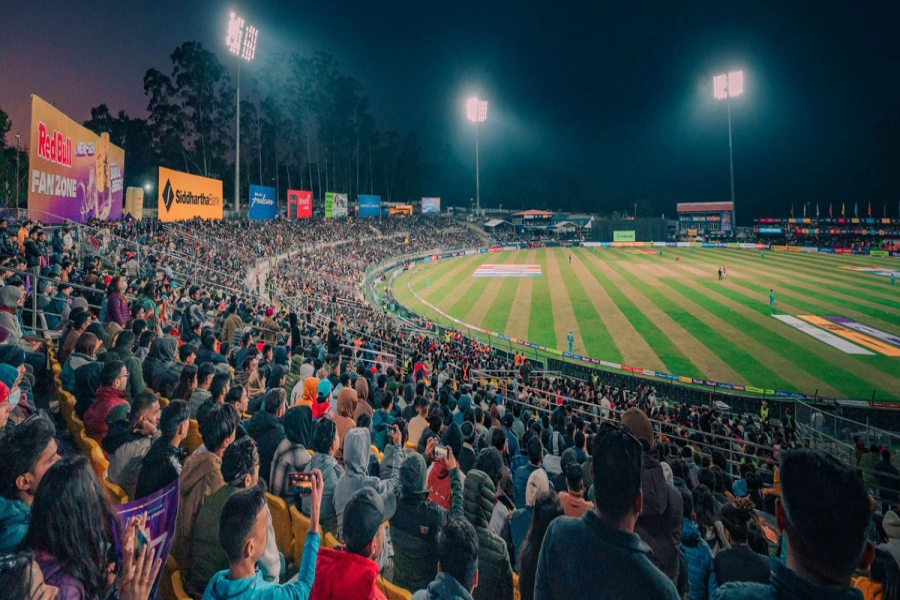
In just four years, KITF has turned out to be one of the greatest achievements of modern Nepali theater. Audiences based in Kathmandu have surprised us by turning up in large numbers to see the shows; the Rimal theatre of Gurukul remains packed every day. Importantly, most audiences of the performances staged in this KITF series so far have remained youths, mainly the university students. They have been watching a broad spectrum of performances from solo, mime, fairy tales to extremely modern in their overall design in terms of plot, light and choreography; they are moved by contents ranging from James Joyce’s modernism, gay relationship to issues related to search for nirvana. Such exposure to diverse forms of motifs and theatrical stylistics are important for Nepali theatre creators who would continue to need to break new grounds in both contents and forms in the days to come. Young audiences are ready to watch plays of experimental and radical nature. Interestingly, audiences from Hetauda and Pokhara, the cities which lie some two hundred kilometers outside Kathmandu, arrive at Gurukul just on time to watch the shows feeling happy to have had the chance to watch the plays.
Personally, I think if it were not for Pokharel showing his ‘madness’ about organizing KITF in the midst of problems that surrounded Gurukul in 2006 and even today, the Nepali theatre would not have moved this much forward in a positive direction within a matter of four years. A culture of important nature would not have come to settle here at least for a month every two year in Kathmandu. And this year some twenty-two theatre groups from different parts of the world would not have bothered about the tastes and cultures of the Kathmandu audiences if it were not for the KITF. Therefore KITF must be taken as an important investment made to introduce the world of theatre arts to the audiences based here in Kathmandu and providing an important learning opportunity to the participating groups from abroad.
Kathmandu International Theatre Festival must be taken as an important investment made to introduce the world of theatre arts to the audiences based here in Kathmandu and providing an important learning opportunity to the participating groups from abroad.
President Dr Ram Baran Yadav, who was born and brought up in Mithila of Janakpur, a zone of vibrant performance cultures in Nepal, while inaugurating the 3rd KITF on Nov 17 amidst artists, writers and academics expressed his great happiness to be present on the occasion. He very humbly said that the artists in Nepal have worked on their own without much support from the state. Speaking on the same occasion, the contemporary Indian movie star and a former student of National School of Drama (NSD), Irfan Khan, thanked and congratulated the President Yadav for having a wonderful dreamer like Sunil Pokharel as a citizen of Nepal. I personally think Irfan Khan’s congratulation to President Yadav and remarks made about Sunil Pokharel speaks volumes about the importance of KITF and achievements of Pokharel. Khan confessed that he could not give continuity to his dream of creating similar theatre forum or centre as his friend and NSD alumni Pokharel has done in Kathmandu. Ironically, Khan stated this to the president who was surrounded by the minister of culture and chancellors of three major academies and cultural centers. Pokharel, along with his wife, Nisha Sharma and team, despite the difficulties have successfully revived and revamped the modern Nepali theater. It can be said that he is doing what the state should have done for the development of modern Nepali theatre.
Pokharel was born and brought up in a lower middle class family in a village near Biratnagar. He landed in Kathmandu in 1980s with full of dreams of directing beautiful plays and showing them to the audiences. He tells us that it is still possible for a dreamer to create important vibrations in modern Nepali culture and modes of expression. And, for this he or she need not belong to any political party, nor should he or she be a candidate with political clouts to be nominated as the chancellor or head of any government-run art and culture center.
I think with KITF, Nepali theatre artists and audiences, the stakeholders of Nepali theatre set out on a journey of an important nature every two year. It has enabled us to climb over cliffs and rugged mountains of aesthetic heights and return with some wonderful memories of watching the blends or fusions of light and shadow, words and movements, life and theatre. Finally, thanks to the sponsors and artists for making this festival a reality. But importantly, as Irfan Khan said, we must thank ourselves for having a dreamer like Sunil Pokharel with us, who is always taking us out on promenades that we love to cover with the wonderful theatrical performances created and invited by him.
rijalshiva@gmail.com
Related story
Mandala Theatre-Nepal officially opens new comprehensive theatr...