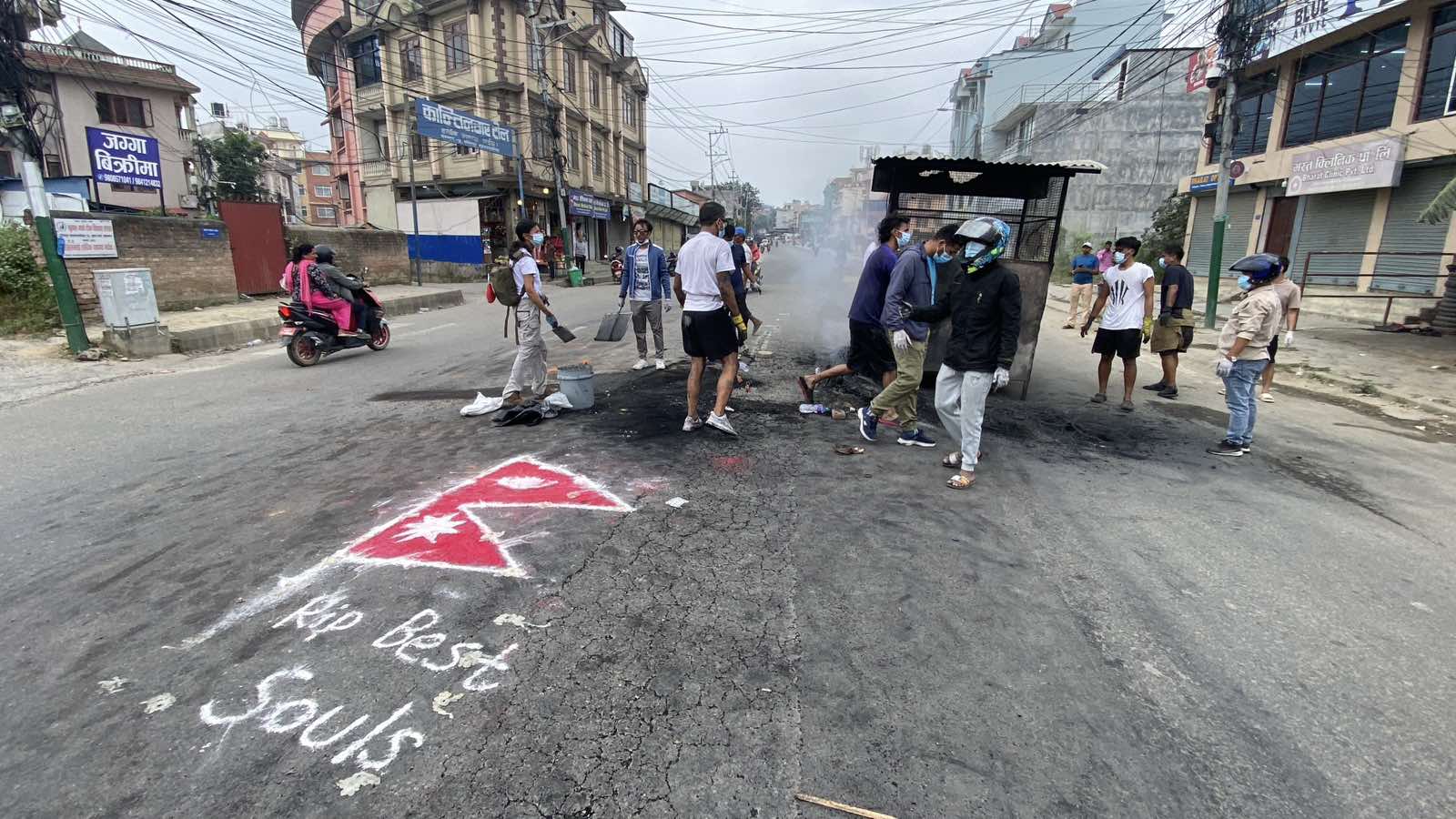
On September 8 and 9, 2025, Nepal witnessed its deadliest unrest in decades. Gen-Z anti-corruption protests toppled the government in less than 48 hours, leaving over 70 people dead and causing damage worth billions of rupees to public buildings and businesses. Families are still grieving while the country seems moving slowly towards normalisation though uncertainties remain.
Resilience is woven into Nepal’s fabric. From earthquakes to political upheaval, perseverance defines us. Yet in today’s interconnected world, recovery demands more than perseverance alone. It calls for digital resilience: harnessing technology to rebuild safer systems, empower citizens, and prepare for a future where governance and livelihoods are less fragile.
Thanks to technology, today’s youth are connected globally. They are tech-savvy, well-educated and possess skills that are in high demand around the globe. In collaboration with Nepali diaspora, Nepal is exporting Information and Communication Technology (ICT) related services to leading markets globally including in the US. According to a study conducted by the Institute for Integrated Development Studies (IIDS), a Kathmandu-based think tank, in 2022, Nepal’s IT service export (ITeS) industry was valued at approximately USD 515 million. This figure represents a robust growth of 64.2% from the previous year, highlighting the sector’s increasing importance to the national economy. IT services accounted for 1.4% of Nepal’s GDP and 5.5% of its foreign exchange reserves.
We must note that a significant portion of Nepal's IT workforce, 83.5% of freelancers, is in the age bracket of 20 to 29 years. This youthful demographic represents a valuable asset for driving innovation and growth in the IT sector. Policies targeting youth development can harness this potential and foster homegrown growth. The borderless nature of IT services enables Nepal to tap into global markets without the physical limitations faced by other sectors. Transitioning from labour export to service export can address issues like brain drain and leverage Nepal’s demographic dividend for socio-economic benefits. In order to tap this vast potential, we must move with a clear vision and determination to establish Nepal as an emerging tech hub.
Put People First
Compassion remains the foundation. Those who lost loved ones, homes, or livelihoods need immediate support: housing, food, healthcare, and psychosocial care. Technology can amplify these efforts:
Digital cash transfers for vulnerable families, ensuring timely and traceable aid.
Geotagged relief supplies so assistance reaches even remote mountain settlements.
Related storyAiming for zero: cities, companies ramp up climate goals
![]()
Tele-counselling platforms to extend mental health services where professionals cannot easily travel.

In past disasters, the speed of coordination was often the biggest challenge. Digital tools can close that gap while keeping dignity and equity at the center of aid.
Safeguard Institutions & Strengthen Local Capacity
Crises reveal systemic gaps. Secure civic spaces, resilient telecom networks, and protected data centres keep government services alive during shocks. Local bodies need disaster-management training plus digital-response kits: satellite phones, mesh networks, open-source logistics apps.
Democratic infrastructure must also be rebuilt. Parliament, courts, and municipal portals can move to a cloud-first approach, hosting records, applications, and citizen services on secure, sovereign cloud platforms with multi-region backups so governance continues even under pressure. A government-led reconstruction dashboard powered by open APIs and hosted on sovereign cloud infrastructure could track spending, service restoration (IDs issued, courts reopened), and citizen complaints. Independent audits and civil-society “civic-tech observers” would enhance accountability.
Any restrictions on online platforms should be narrowly legal, time-bound, and transparent, while an official “rumour-control” feed on social channels can counter misinformation without silencing users.
Harness Skills & Technology
Smart recovery means embedding innovation in every step:
AI & data analytics to predict hotspots for aid and monitor rebuilding timelines.
Drones & satellite imagery for rapid damage assessment in hard-to-reach valleys.
Blockchain-backed ledgers for aid distribution and procurement.
Digital identity and e-governance so citizens can replace lost papers quickly.
But technology alone is not enough. Recovery must be inclusive and equitable. Training women, youth, and marginalised groups in digital tools, while applying privacy-first standards, ensures broad participation and trust. Offline-first apps and community Wi-Fi hubs can keep rural areas connected when infrastructure is weak.
An open budget portal, with line-item visualisation and real-time progress, would make dashboards truly accountable. Investments in engineering, construction tech, cybersecurity, cloud, and AI will develop a workforce capable of designing safer homes, smarter services, and sustainable businesses.
Recovery cannot rest solely on government shoulders. The private sector, civil society, diaspora, and global partners each bring unique assets: Capital and financing, Innovation and technical expertise, Networks and cultural insight. Well-governed public–private partnerships can channel venture funding and technical know-how into resilient housing, green energy, fintech inclusion, and civic-tech platforms.
Reconstruction is an inflection point for Nepal’s digital economy. Growth sectors such as renewable energy, remote work, data-centre services, responsible tourism, and micro-e-commerce can diversify incomes and cushion future shocks.
A Resilience Bond Facility, developed with multilateral agencies and fintech partners, could finance safer housing, climate-smart courts, municipal complexes, and fibre-optic corridors. Outcome-based disbursements, ESG triggers, and smart-contract automation would guard debt sustainability while rewarding real progress.
Youth and diaspora have already stepped-up clearing debris, delivering food, and driving donations. Structured mentorship, hackathons for crisis-tech, and seed funds for start-ups can help them innovate toward peace and civic renewal. Diaspora professionals can offer cloud-architecture expertise, cybersecurity mentoring, and market access for local entrepreneurs.
Through an intentional blend of partnership, open governance, and cutting-edge technology, Nepal can transform grief into opportunity.
Resilience is not about bouncing back, it’s about bouncing forward, digitally and socially stronger.
The author is founder and CEO of the UK-based Genese Solution, a leading IT consulting and cyber security company.





.jpg)