

Despite these tensions, however, the larger underlying motive of the strategic relationship between the two countries has remained intact. There is a clear acknowledgement of the complementarities between the two countries. There is also growing recognition that both need each other based on the calculation of collectively tackling China’s rise in the region by challenging it through other alliances in Asia. It is in this backdrop that Clinton’s visit to India assumes that much more importance and strategic significance, particularly given she is known to have special affection towards India. Clinton is expected to discuss a broad gamut of issues with the political leadership in New Delhi, including Pakistan and endgame in Afghanistan. Clinton is also likely to put further pressure on India to reduce its dependence on Iran—a tricky issue given India does not see Iran in the same antagonistic terms as the US does.
However, the most fascinating dimension of Clinton’s visit is the greater engagement with regional leaders and state governments as reflected in the fact that Clinton’s first official meeting during this trip is with West Bengal chief minister and key UPA ally Mamata Banerjee. During the Monday meeting in Kolkata before heading to Delhi later in the day, the US secretary of state is expected to discuss the Teesta water sharing with Bangladesh and Banerjee’s strict opposition to foreign investment in multi-brand retail. On a similar note, Clinton during her visit last year had met Tamil Nadu chief minister J Jayalalithaa to discuss the Sri Lankans Tamil issue.
There is obviously a greater acknowledgement in the US that states in India are becoming increasingly powerful and have a significant say in economic and foreign policy issues. The fact the US political heads are now directly engaging with state governments, obviously without irking the centre, marks a new era in Indo-US ties and indicates the growing clout of regional parties not just in India’s domestic politics and policy making, but also in foreign affairs.
Clinton is absolutely right when she says India-US relationship is one of the most important in the world. We feel it will determine the Asian and global balance of power in the contemporary world and it is crucial that two strike an equilibrium based on the self interest of both sides keeping in mind their long-term political, economic and security synergies. Clinton’s effort to reach out to India and engage directly with state governments on contentious issues is thus a step in the right direction.
Related story
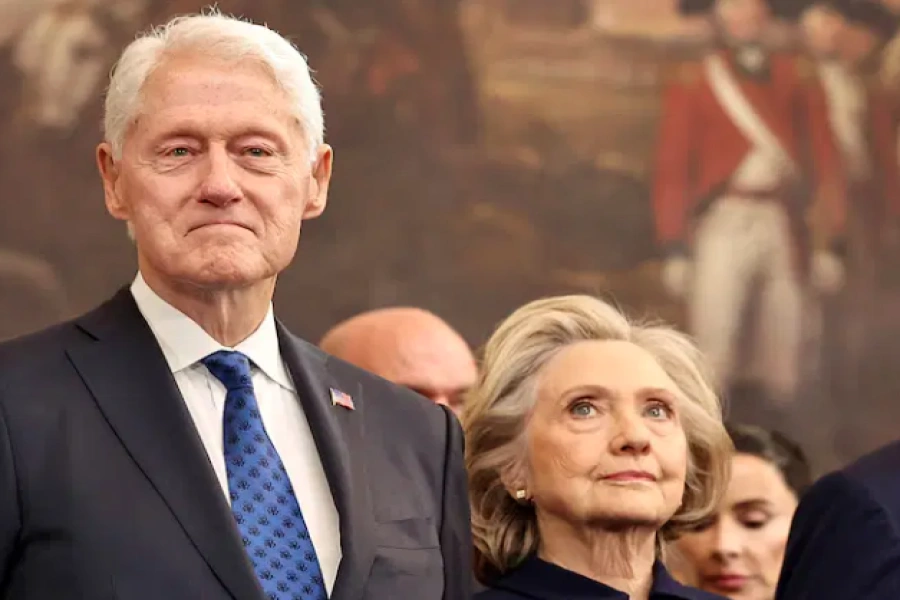
Clintons call for their Epstein testimony to be public






-1782782519.webp)


