

According to industry people, print media receive the maximum volume of ads, followed by TV stations and radio stations. But due to long stretch of power cuts radio stations are getting more volume of advertisements than TV stations.[break]
Nirmal Raj Paudel, president of Advertising Association of Nepal (AAN) and CEO of Welcome Advertising and Marketing, said advertisers have already started decreasing their advertisement budget, citing power cuts. “Some have stopped their TVCs while others have diverted their ads to other media,” Paudel said, adding, “Due to power cuts during peak hours, the revenue of TV channel revenue goes down by 60 to 80 percent.”
He also said advertisers were shifting focus to print media, radio stations and billboards.
Bhaskar Raj Rajkarnikar, chairman of Avenues TV and CEO of Advertising Avenues Nepal, said power cuts up to six hours a day do not have any impact on ad industry. “But when power cuts stretch to more than six hours a day, advertisers find radio and outdoor medium more effective,” Rajkarnikar added.
Paudel informed that TVC volume had declined by 70 percent last year when the country saw 16 hours of power cut every day and major increment was seen in print media.
Long stretch of power cuts last year had forced five round-the-cock TV channels to cease broadcast from midnight to 5 in the morning. Similarly, many FM stations had reduced their transmissions hours while a few had gone off the air.
More than 55 percent of people in the Kathmandu Valley have to stay in darkness during the prime time for television viewership -- 7 to 8 am and 8 to10 pm - during summer season. Due to this, advertisers find giving TV ads meaningless and start searching for alternatives.
Sanju Koirala, corporate communication manager of Ncell, said they were planning to decrease TVC due to load-shedding. “As TV viewership drops significantly during peak hours, we are delivering the ads to print media, radio and bill boards as power cuts do not have impact on these media,” Koirala added.
Bhargav Subedi, managing director of Creative Lounge Media, echoed Koirala and said ad volume on TV goes down during power cuts because of the fact that a larger section of population cannot view them. “Power cuts also increase overall ad cost in other media forms as well because we have to arrange alternative power sources,” Subedi added. He also informed that load-shedding raises advertising expenses by 30 to 40 percent. “We, the agencies, have to bear these additional expenses as clients are not willing to pay extra cost,” he added.
Ujaya Shakya, managing director of Outreach Nepal, said they were trying to their best minimize the effect of power cuts on the brands that they were working for. “Print ads and other below the line (BTL) activities like market storming, both in consumer and trade touch points, are the key to retain brand recall during the time of load-shedding,” Shakya added.
Related story
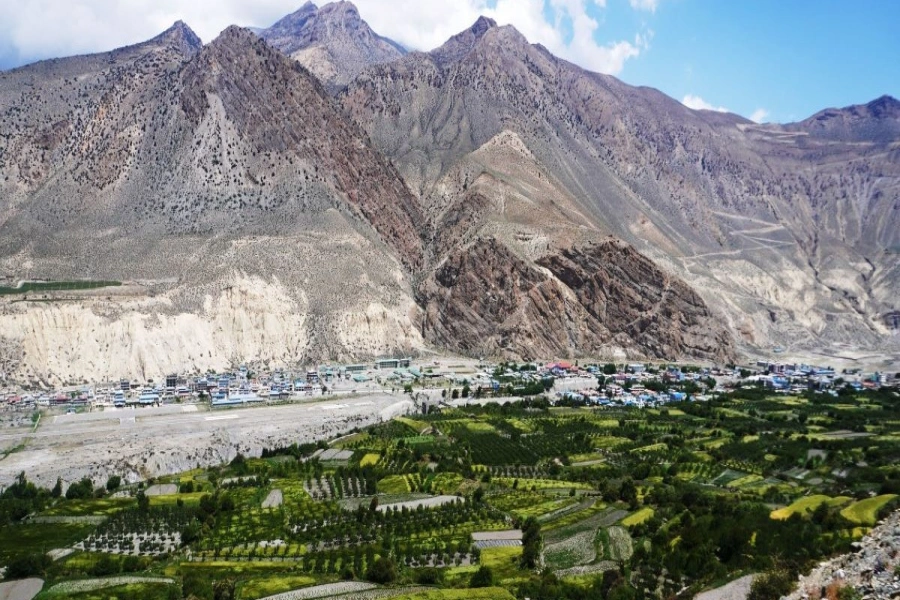
Mustang’s 10 polling stations on sensitive list


_20230506072433.jpg)











-1200x560-1776240217.webp)





