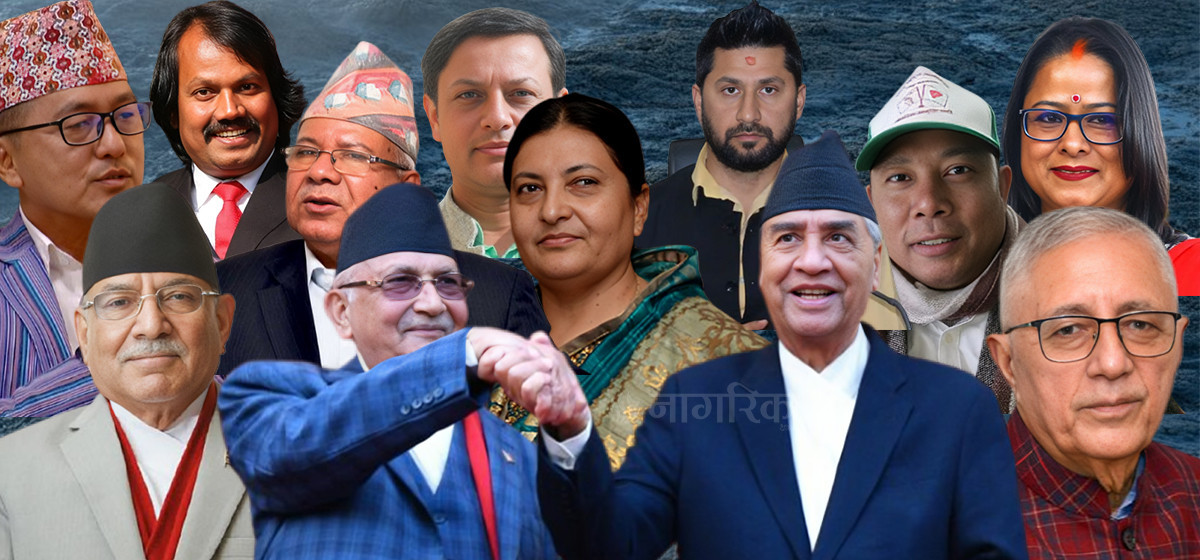
KATHMANDU, April 16: Nepal’s two major political forces—the Nepali Congress (NC) and CPN-UML—are facing deepening internal rifts, with leadership disputes and factional battles intensifying in the aftermath of the March 5 House of Representatives (HoR) elections.
In the UML, pressure is mounting on Chair KP Sharma Oli to step down following the party’s poor electoral performance. Within the NC, long-standing divisions have sharpened since the special general convention, effectively splitting the party into two competing power centres.
One faction argues that the leadership emerging from the special general convention has failed to unify the party. The opposing faction, led by Sher Bahadur Deuba and rejecting the convention’s legitimacy, continues to operate through parallel meetings and gatherings.
As the dispute over the NC special general convention remains sub judice at the Supreme Court (SC), both factions are actively working to consolidate their influence and weaken the other.
Amid this ongoing tussle, the establishment faction—which secured leadership through the special general convention—has sought a seven-day clarification from Deuba camp leader and former acting party president Purna Bahadur Khadka over alleged violations of party discipline. The Central Disciplinary Committee (CDC) issued the clarification after a meeting of the Central Working Committee (CWC) on Wednesday.
NC spokesperson Devaraj Chalise said the CDC is fully within its jurisdiction to seek clarification from Khadka, adding that the matter does not require deliberation in the CWC.
“The CDC proceeds based on facts, statutes and evidence. It has its own jurisdiction. If there are facts and evidence, it can even take action against members of the CWC and party members,” Chalise said.
He further said it is inappropriate for any leader to misuse party positions or official letterheads without authorization. “Party discipline and statute do not allow such violations. All members must remain within the bounds of discipline; no one is above the statute,” he added.
China has legitimate reason to be concerned with internal situa...

Within the party, accusations and counter-accusations are already circulating, with Khadka alleged to have convened separate gatherings and to have failed to support official candidates during elections.
Meanwhile, the issue of active membership renewal has further deepened internal tensions in the NC. Decisions made by the establishment faction on membership updates have angered the Deuba camp. As disputes over party legitimacy remain unresolved, the membership issue has also reached the SC.
The CWC, formed after the special general convention, has already decided to update active memberships from mid-April to mid-May and to hold the 15th general convention in the first week of October.
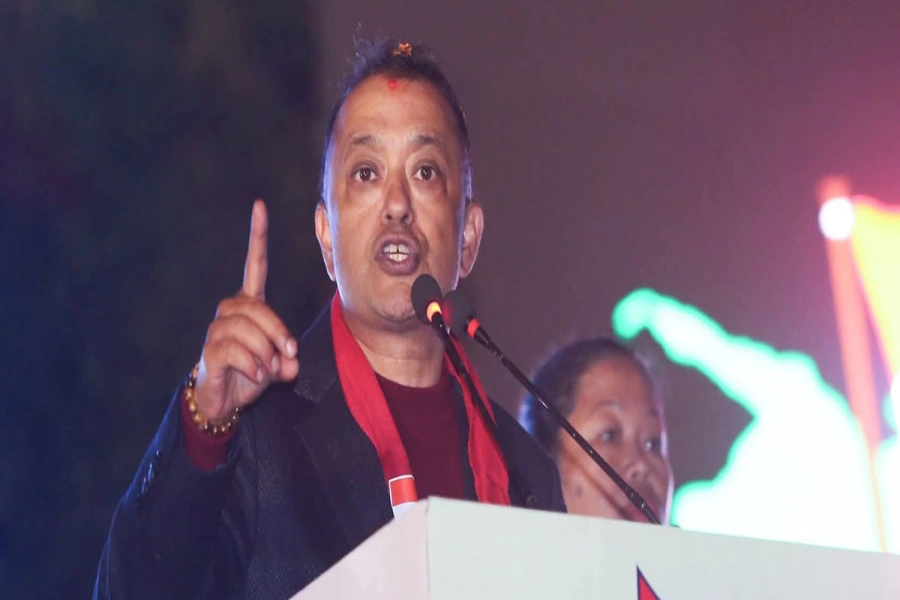
Party President Gagan Kumar Thapa has said that individuals seeking renewal of active membership must personally visit their respective ward committees, a move that has further intensified the dispute.
“Anyone who wants active membership must go to their ward committee, take a photo, and provide a mobile number. A password is generated through an OTP sent to the mobile, and membership is verified. Those who do not update their membership during the mid-April to mid-May campaign will be marked inactive; they will remain in records but will not be eligible to participate in the 15th general convention,” Thapa had said earlier.
However, Deuba faction leader Khadka objected to the process through a statement issued on April 13 using the party’s official letterhead in his capacity as acting party president. He warned that no leader can revoke party membership obtained “by risking one’s life” at will.
Following the statement, the CDC of the establishment faction sought clarification from him on charges of violating party discipline.
Khadka has argued that party membership cannot be revoked based on the whims, emotions, or speeches of any leader. “Active membership is not only proof of party affiliation but also a record of contribution and continuity in the party’s history. Except for provisions made by the general convention, no one can revoke the active membership of general members,” he said.
UML leadership tussle resurfaces
Internal conflict has also shaken the UML, which was once the leading party in government before the Gen-Z movement. After the movement, the party was prompted to hold its general convention a year earlier than scheduled.
With KP Sharma Oli re-elected as party chair at the convention held last December, the UML entered the HoR elections under his leadership. However, the disappointing electoral outcome has once again revived calls for leadership change.
Leaders say momentum is building within the party in favour of a leadership transition, with coordination reportedly underway among top office bearers to unseat Oli.
Some leaders claim that Vice-chair Bishnu Paudel and General Secretary Shankar Pokhrel could align in support of a leadership change. Both are considered close allies of Oli, who had appointed them to key positions during his leadership tenure.
Although both leaders previously stood firmly behind Oli during politically difficult periods, party insiders suggest they are now reconsidering their positions in light of changing political dynamics—though neither has made any public statement on the matter.
Following the Gen-Z movement on September 8 and 9, the UML suffered a significant defeat in the HoR elections held six months later. Leaders have since intensified pressure on Oli to resign, arguing that the electorate has rejected his leadership and policies. Oli, however, has not agreed to step down and is currently undergoing treatment in the hospital.
After the formation of a commission led by former Special Court Chair Gauri Bahadur Karki to investigate incidents related to the Gen-Z movement, police arrested Oli on March 27 in connection with the implementation of its findings. He has since remained in the hospital on health grounds while in custody. The SC later ordered the non-extension of his custody, resulting in his release, although he continues to stay at Tribhuvan University Teaching Hospital.
During Oli’s absence, Vice-chair Ram Bahadur Thapa was appointed acting party chair and parliamentary party leader, a move that has further deepened internal dissatisfaction within the UML.
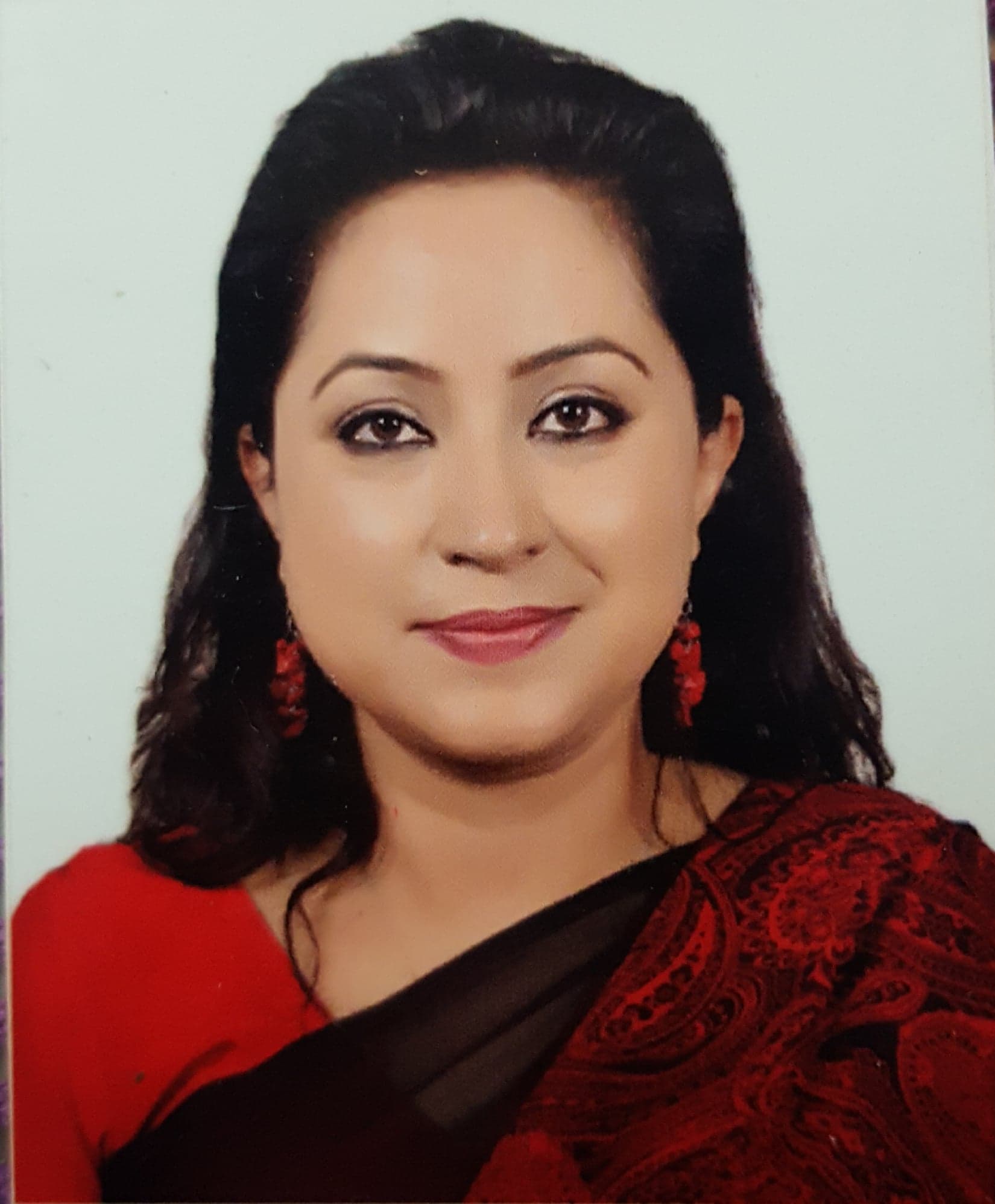
UML secretary Padma Aryal, however, dismissed reports of a leadership change agenda. After meeting Prime Minister Balendra Shah on Wednesday, she clarified that there is no move to replace Oli as party chair.
Responding to reports suggesting that Pokhrel and Paudel might have reached an understanding to facilitate a “graceful exit” for Oli, Aryal said such claims were unfounded.
“These reports are not based on facts. We have not held any meeting. The election review is still pending. Without party meetings, such discussions are inappropriate. The party chair is currently undergoing treatment. All leaders agree that any discussion on leadership will take place only after he returns and participates in meetings,” she said.