Every year on September 8, World Physiotherapy organizations and professionals come together to celebrate World Physiotherapy Day, honoring a profession that often works out of the spotlight yet transforms lives. This year’s theme “The role of physiotherapy and physical activity in healthy ageing, with a focus on preventing frailty and falls”—is more crucial than ever, especially for Nepal as its population grows older.
The world is ageing rapidly. According to the United Nations, in 2019 there were about 1 billion people aged 60 or over. By 2030, that number is projected to rise to 1.4 billion, and by 2050 it will reach 2.1 billion. The fastest-growing group within this demographic is people aged 80 and above, expected to triple to 426 million by 2050.
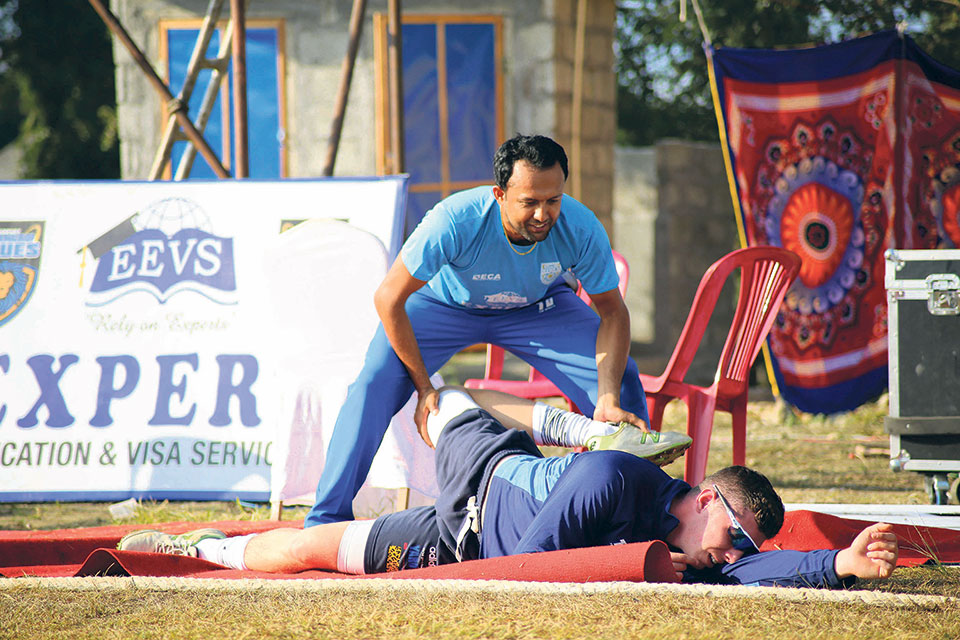
This demographic shift presents enormous challenges, but also opportunities. Healthy ageing is not simply about adding years to life, but about adding life to years. Physiotherapists play a vital role in this journey. Through targeted physical activity, balance training, mobility exercises, and fall prevention strategies, they support older individuals to remain active, engaged, and independent well into their later years.
Why This Matters for Nepal?
Nepal’s physiotherapy landscape has been evolving, yet gaps remain. According to World Physiotherapy’s 2024 country data, Nepal has around 0.81 practising physiotherapists per 10,000 people, a slight improvement from 2023, but still below the Asia–Western Pacific regional average of 1.56 per 10,000.
Only about 24% of practising physiotherapists in Nepal are members of the national association, pointing to challenges in professional advocacy and coordination. Encouragingly, the workforce is relatively balanced, with women making up around 43% of practitioners.
On the educational side, Nepal currently offers 0.98 entry-level physiotherapy programs per 5 million people, compared with 1.29 in the region. The bachelor’s degree remains the standard qualification, with just two universities offering the program. This means Nepal’s pipeline for training the next generation of physiotherapists is limited compared with the regional demand.
Physiotherapy for prevention

Beyond workforce numbers, service delivery data also paints a picture of both progress and gaps. A 2024 survey across Nepal’s facilities (public and private, urban and rural) found that physiotherapists attend to 29 outpatients and 14 inpatients per day on average. Most professionals hold bachelor’s degrees, and treatments predominantly address musculoskeletal, neurological, and paediatric conditions.
Rebuilding Lives: Physiotherapy in Action
Statistics, however, only tell part of the story. I have witnessed firsthand what physiotherapy can achieve, in the rubble of post-earthquake Nepal, in remote districts, and during the COVID-19 pandemic.
I remember standing in temporary shelters after the 2015 earthquake, watching physiotherapists gently guide survivors through movements that had once seemed impossible—lifting an arm, standing on weakened legs, or taking those first hesitant steps. These interventions weren’t just physical; they were profoundly emotional, helping to restore dignity and hope to children, their parents, and older adults whose lives had been turned upside down. Similarly, a former colleague and friend of mine provided physiotherapy sessions to patients in the isolation center at Gorkha Hospital, while others delivered tele rehabilitation sessions during the pandemic to those who still needed regular care despite the restrictions.
Physiotherapists did not confine themselves to hospitals. They went out into communities, walking rugged mountain trails to reach patients in their homes. They trained local health workers in basic rehabilitation techniques, ensuring that even where specialists were scarce, essential care could continue. Their presence was not just about therapy, it was about rebuilding lives and strengthening entire health systems.
Physiotherapy and Healthy Ageing
This year’s World Physiotherapy Day theme resonates strongly with Nepal’s needs. Healthy aging is not about quietly accepting decline. It is about staying active, socially connected, and emotionally fulfilled. Physiotherapists play a critical role in preventing frailty and two of the most common risks for older people, helping them to live independently and with dignity. For a country like Nepal, still carrying the legacy of earthquakes, struggling with gaps in rural health access, and facing a growing burden of chronic diseases, physiotherapy is both a form of emergency relief and a cornerstone of preventive care. As our population ages, this role will only grow in importance.
If Nepal is to truly embrace universal health coverage and fulfill Sustainable Development Goal 3 (Good Health and Well-Being), rehabilitation must be treated as essential, not optional. According to the World Health Organization, rehabilitation is a critical part of primary health care and universal health coverage. For Nepal, this means:
• Training and retaining more physiotherapists, especially in underserved districts.
• Expanding educational programs, including postgraduate opportunities, to strengthen expertise.
• Supporting rehabilitation assistants and allied health workers to increase reach.
• Integrating rehabilitation into primary health care and national insurance schemes, so it is accessible and affordable for all.
These steps are not just technical adjustments; they are commitments to ensuring that no one is left behind, whether they are recovering from a disaster, living with health conditions, or seeking to age with dignity.
Human Stories, Human Impact
What stays with us most are not the statistics, but the stories. The stories of survivors in Jhapa, Gorkha, Sindhupalchok, and Rasuwa are slowly regaining their strength. The stories of dedicated physiotherapists trekking across mountain valleys to reach patients with no other access to care. The stories of children and older adults who rediscovered not just movement, but renewed confidence, dignity, and freedom.
Even in my own family, the impact has been deeply personal. Each time I returned from the field, I shared stories of physiotherapists not just for awareness or fundraising, but as reminders of human resilience and compassion. Today, my niece, now in Grade Five, already knows what physiotherapists do, and dreams of becoming one. I also dream of the day my own daughter, who recently turned five, will follow that path. Her clarity gives me hope—not just for her future, but for a society that truly recognizes, values, and invests in this essential profession.
As we mark World Physiotherapy Day 2025, let us move beyond celebration to recognition and action. Physiotherapy restores more than movement; it restores hope, independence, and dignity. It builds healthier families and more resilient communities. It enables older people to live not only longer, but better. For Nepal, investing in physiotherapy means preparing for the challenges of tomorrow's ageing populations, chronic diseases, and future disasters. It means acknowledging that health is not complete without rehabilitation.