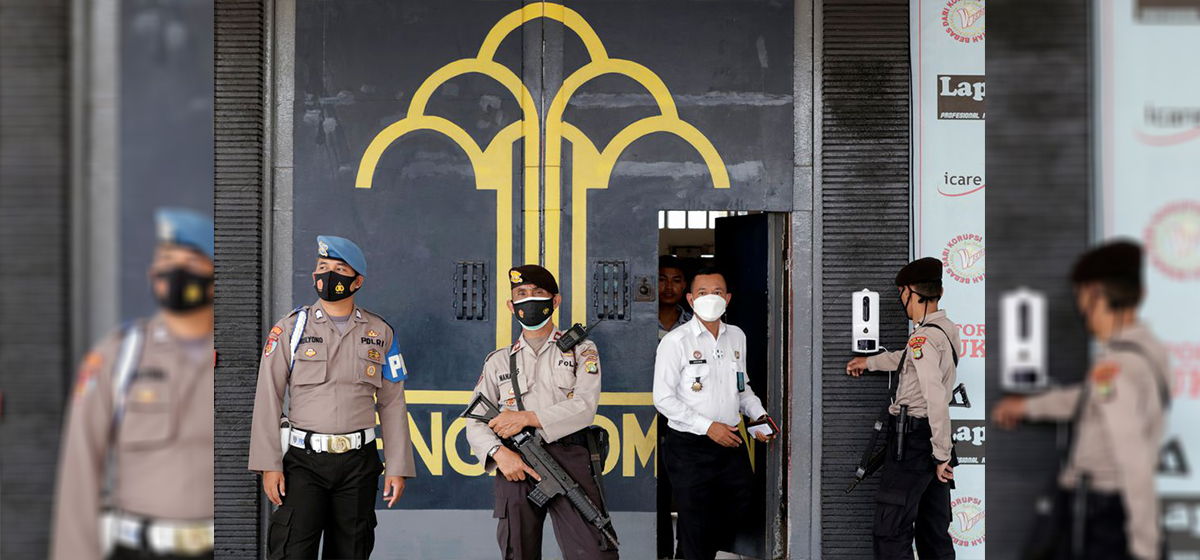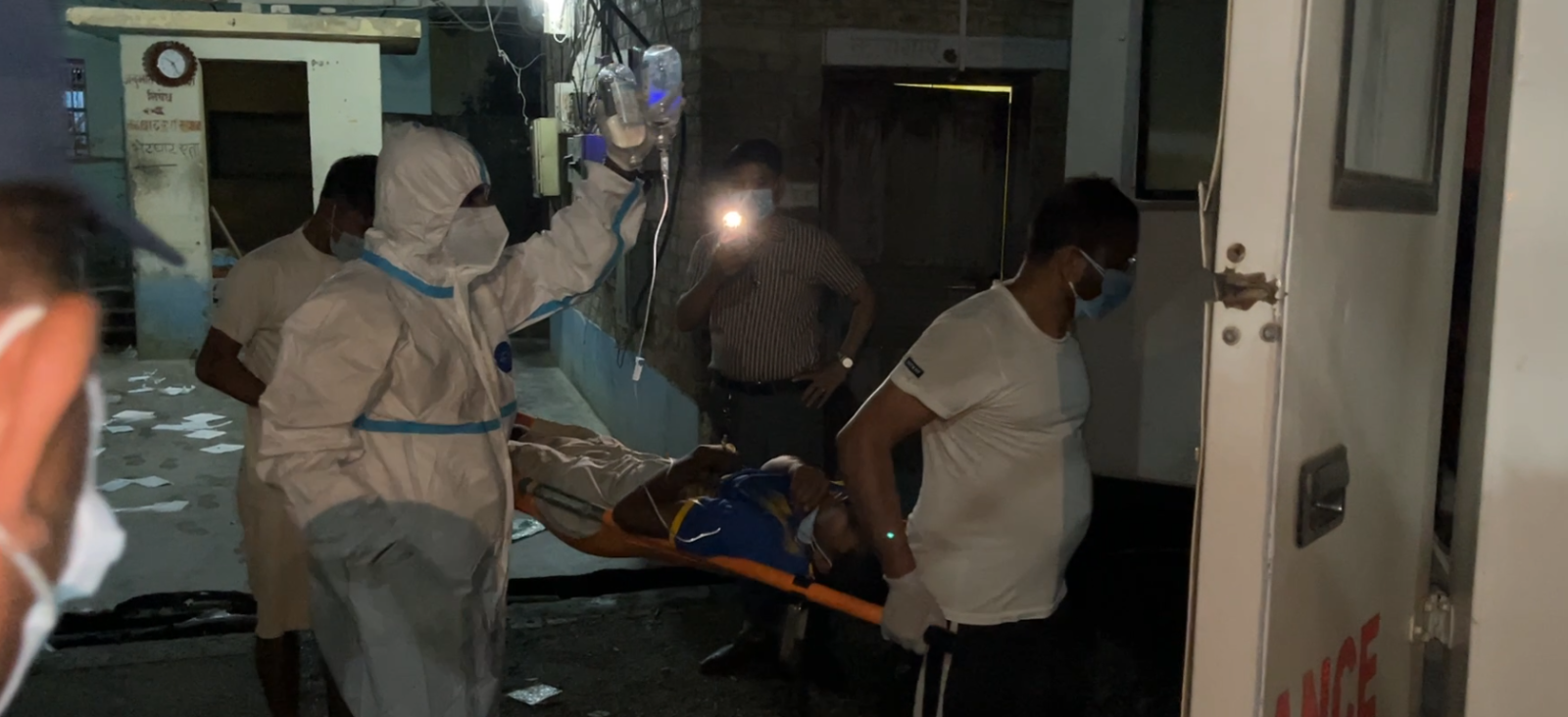
The recent death of 46-year-old Jaleshwar Yadav at Jhumka Prison in Sunsari has thrown a glaring spotlight on the dire conditions of Nepal’s jails, also known as correctional facilities. Yadav, who was awaiting trial in a rape case, fell ill with a fever and developed breathing problems, ultimately passing away while being treated at the district hospital. The incident follows three inmate deaths at the same prison last week, which exposed major problems with prison healthcare systems, security, and prisoner welfare standards. Jhumka Prison has another alarming problem: it houses 1,798 prisoners who need urgent healthcare attention. Thirteen critically ill inmates were shifted to BP Koirala Institute of Health Sciences in Dharan, while others remain feverish under round-the-clock monitoring by health teams from Inaruwa and Dharan. While efforts have been made to monitor the sick and provide medicines and healthcare, the sheer number of patients points toward a serious lack of an effective prison health system.
15 killed, 30 injured as overcrowded bus skids off cliff in Sri...
But overcrowding isn’t just an issue at Sunsari jail. Kailali Prison, located in far-western Nepal, has its own troubles. A violent clash a month ago led to the death of one inmate and left 48 others injured. Originally designed for 150 inmates, it now holds around 700. Reports indicate that rival factions within the prison frequently clash, a situation exacerbated by weak administration and structural limitations. Previous cases, such as the suspicious death of prisoner Harish Singh Pali, demonstrate serious failings in supervision and accountability. During the recent riot in Kailali, prisoners even managed to take over the main cell and threaten others, highlighting how tensions among inmates can escalate into critical security breaches. These incidents suggest that prisons across Nepal are struggling to maintain internal security while ensuring humane treatment of inmates. Overcrowding, inadequate medical facilities, and administrative failures not only put prisoners at risk but also endanger prison staff and nearby communities. The state has a responsibility to uphold human rights by ensuring inmates receive timely medical care and live in safe conditions. Strengthening prison security is part of the solution, but not the whole answer.
That includes better monitoring of inmate gangs, improving conflict-resolution skills among prison guards, and controlling violent outbursts. But mere security measures are insufficient. Prisons should also meet minimum health standards, provide access to emergency medicine, and prioritise the humane treatment of convicts as a central goal of prison reform. Unless both security and healthcare issues are addressed, incidents like those in Jhumka and Kailali will continue. Such senseless deaths remind us how institutional neglect and structural weaknesses in Nepal’s correctional system can result in loss of life and repeated unrest. Addressing these issues requires investment in healthcare, reducing overcrowding, strengthening administration, and respecting the human rights of inmates. Only then can prisons fulfil their purpose of justice and rehabilitation, rather than becoming recurring grounds for tragedy and disorder. Every death and every confrontation in jails underscores the urgent need to protect lives, restore order, and ensure prisons remain places of justice, not of crisis.