Discussing education policies, Tuladhar suggests that "the policy of privatizing education in Nepal cannot be reversed so the approach should be to upgrade public education if citizens are to get a level playing field". Basically, we can agree with Tuladhar when he suggests that the major efforts should be made to improve Nepal's public education system, which is also where the Nordic financial support to education is directed towards.All children should have equal right to attend school and get a quality education. Only when such rights are fulfilled can the schools become an arena where Nepali children from different backgrounds are given the same opportunities. The Nordic experience with free public education, where nearly all children attend school on the basis of where they live, is that education builds social capital and a sense of cohesion in society, which has played a key role in our social as well as economic development.
We do however not agree that there is reason to "resign" regarding the development of the public education in Nepal. There are still many opportunities for continuing the strengthening of the public education sector in Nepal, even though the private sector has invested heavily in education. There still exists a large room for maneuver in the policy space of education policies and education systems.
Nepal uses around 15 percent (unfortunately declining) of the national budget on education. The question of the public/private mix is a part of the debate about education policies, but such a debate also includes other issues, like "imparting civic education" as Tuladhar rightly mentions. It could also include a debate about the role of the private sector in promoting equality and equity. There is a growing gender gap in the private schools, and the share of Dalit children is only around four percent, compared to near 20 in public schools.
Tuladhar also addresses the need to implement hydropower in Nepal on a bigger scale than ever before. And while we support this endeavor the Nordic experience also shows the importance of diversification of energy supply. In addition to hydropower Nepal shows great potential for solar and bio-energy and even in some place wind energy.
No country should see itself as an "energy island" and isolated from regional cooperation and interaction. The establishment of an integrated Nordic electricity market has been crucial in the development of our economies and an example that is increasingly being copied in other parts of the world.
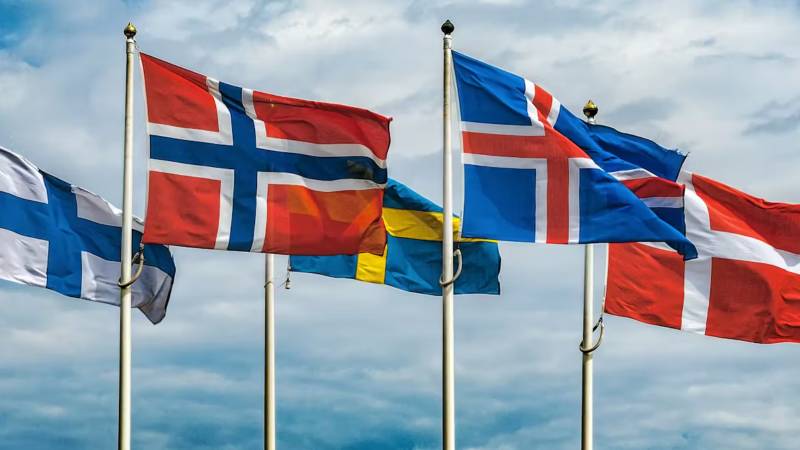
The Nordic Embassies in Nepal wish to continue to create spaces for dialogue about various policy alternatives for development in relation to the education sector, but also in other sectors of society.
Pettersen is Norwegian Ambassador, Geelan the Danish Ambassador, and Luukkainen the Finnish Ambassador to Nepal
Related story
NATO expects Turkey not to hold up Finland, Sweden membership