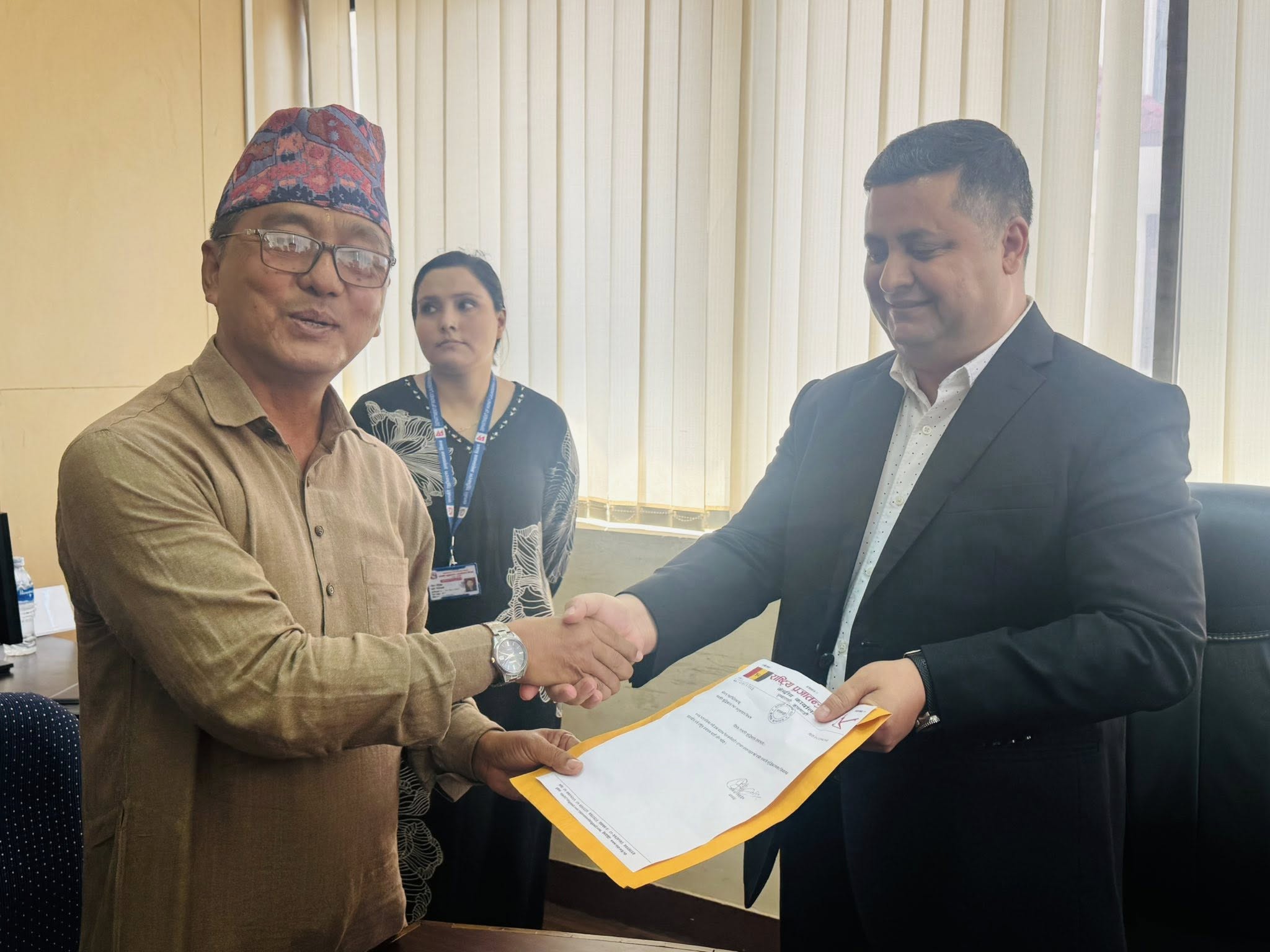
CPN-UML leader and a member of the 1990 constitution drafting committee
I was a part of the 9-member Constitution Drafting Committee in 1990 and this time around I am a member of the Constituent Assembly. While drafting the 1990 constitution, I, Madhav Nepal and Nirmal Lama were representing the left alliance in the committee.
If I have to compare the two constitutions, I would say there are several qualitative changes in the Nepal Constitution 2015. In 1990, all we wanted was to end the autocratic Panchayat regime and establish democracy in the country. Our goal at the time was to strengthen Singha Durbar and bring sovereignty back into the hands of the people by limiting royal family under constitutional monarchy.
But through this constitution, we have institutionalized republic, federalism, inclusive democracy and people's sovereignty. It signifies a great leap in constitutional development. It is one of the best democratic constitutions in the entire South Asia. Our constitution is the most inclusive constitution in the region. Even the Indian constitution does not ensure 33 per cent reservation to women. Our constitution guarantees inclusion of indigenous communities, Dalits, Madhesis and other marginalized communities in state organs. And it can be made even better through amendments.
While drafting the 1990 constitution, the drafting committee finalized the uncontested issues first and then moved ahead to settle disputed issues through voting among the 9-members committee.
A voting on the proposal of secularism presented by the left alliance got majority vote. But Bishwanath ji (ex Chief Justice Bishwanath Upadhyaya), who was leading the drafting committee, was against secularism. From the next day, he stopped convening the meeting of the committee. But we stood our ground. When the royal palace started plotting against the committee, the three of us in the left alliance met Bishwanath ji and told him what issues we could compromise on and what not. Our flexibility as well as strong stand on some issues helped break the ice and come up with the 1990 constitution.
This time, too, the leaders from three major political parties--Sushil Koirala, KP Oli and Pushpa Kamal Dahal--and Bijaya Gachchhadar remained firm on drafting the constitution through the Constituent Assembly even though there was pressure from some international communities and some neighbors to stop the constitution drafting process. Such pressures don't work whenever political parties unite.
However, we have to bring the disgruntled forces into the political process by addressing their demands through amendments to the constitution.
Madhav Nepal, former prime minister and a member of 1990 constitution drafting committee
In 1990, the royal palace, with King Birendra at the helms, was openly against drafting a constitution that established people's sovereignty.
The palace put pressure on Kishun jee (the then Prime Minister Krishna Prasad Bhattarai) and Bishwanath ji. However, we persisted on our stand and succeeded in establishing people's sovereignty.
The royal palace had thrust in the hands of Kishun ji its own version of the constitution and put pressure on him to get it endorsed. We leaked that document to the press, which created immense pressure on the palace, forcing it to retreat. That's how we succeeded in coming up with the 1990 constitution.
International community, too, put pressure on us through their experts. Even this time, they openly put pressure on political parties. Whenever Nepali people start exercising sovereignty, foreigners try to put pressure on us.
However, this new constitution is our baby and everyone should feel happy about it. We should urge disgruntled forces to sit for talks.
While those in the majority should not be arrogant, others should not do anything to disturb social harmony and integrity.
We should address the issues of the disgruntled people. We have already agreed to form separate commission to look after the issues of marginalized communities, adopt policy of proportional representation and delimitation of constituencies on the basis of population.
Likewise, we have agreed to settle the issues related to provincial delineation through Federal Commission.
The new constitution is a significant leap compared to the 1990 constitution. We have become a republican state from constitutional monarchy; we have embraced federal structure from the unitary one. Most importantly, we have changed the electoral system and adopted mixed model with proportional representation.
The 1990 constitution had adopted two-pillar economic policy while the new constitution has adopted three-pillar policy--government, private and cooperatives. We are now a socialism-oriented country. In comparison to the 1990 constitution, we have promulgated a progressive constitution.
Related story
Nepal's Energy Leap in NDC 3.0