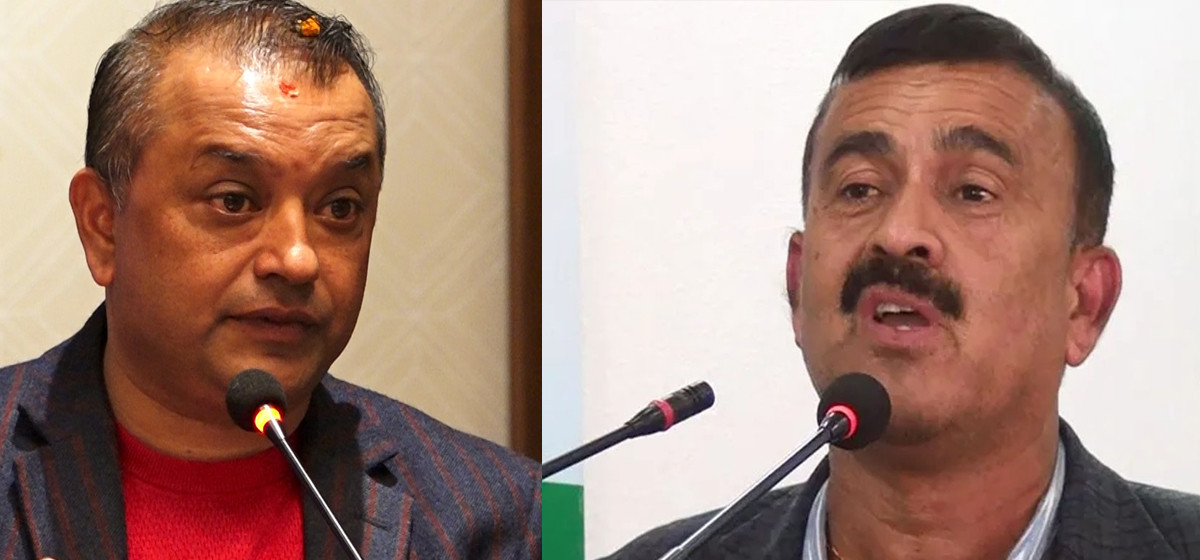
KATHMANDU, Nov 5: The Nepali Congress (NC) appears to be heading toward a serious internal showdown as two major factions — the establishment camp led by Acting President Purna Bahadur Khadka and the rival faction led by General Secretary Gagan Thapa — have proposed holding the party’s 15th General Convention on different dates.
General Secretary Gagan Thapa on Tuesday unveiled a blueprint for reform and proposed holding the convention from December 31 to January 3, arguing that the party needs immediate renewal and bold reforms to stay relevant in the changing political landscape.
On the other hand, the establishment faction proposed holding the convention after the March 5 election to the House of Representatives, from May 8 to 11 next year.
Two factions emerge in NC’s rival camp
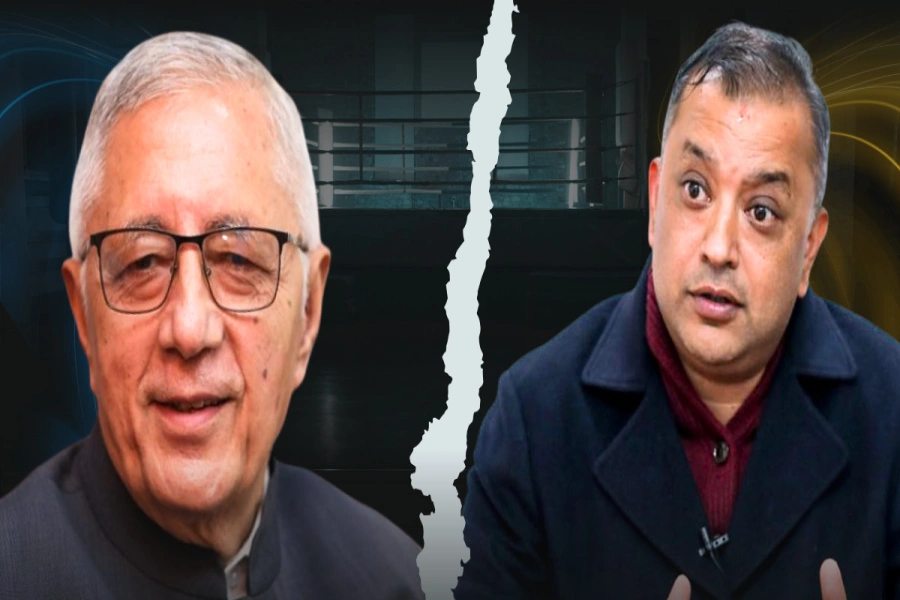
Thapa, who has called for radical changes in the party’s leadership structure, decision-making system, and membership model, said that further delay would only weaken the organization.
“The tradition of talking about reforms but delaying decisions must end now,” Thapa said, calling for generational transfer and greater youth representation.
He emphasized the need for transparency, inclusiveness, and grassroots democracy, proposing a system where leadership positions are elected from the lower levels rather than appointed from the top.
The establishment faction backed by President Sher Bahadur Deuba, during the central committee meeting, stood in its long-time belief that the party should first focus on the upcoming HoR election before engaging in internal restructuring.
The Deuba faction’s meeting tabled seven major proposals, including completing the renewal of active memberships by December 30, launching a nationwide door-to-door campaign to mobilize members, and prioritizing new and underrepresented members for proportional representation and National Assembly candidates. It also proposed forming committees to scrutinize active memberships and amend the party statute.
The conflicting timelines have further deepened divisions between the two sides, reflecting the generational and ideological faultlines within the Congress. Thapa’s camp insists that the convention must precede the election to ensure internal accountability, while the establishment faction believes rushing the process could destabilize the party during a critical political period.
As the largest party (of the dissolved HoR) prepares for both national elections and its internal convention, the NC now faces the daunting challenge of maintaining unity while responding to growing demands for change from within.







.jpg)