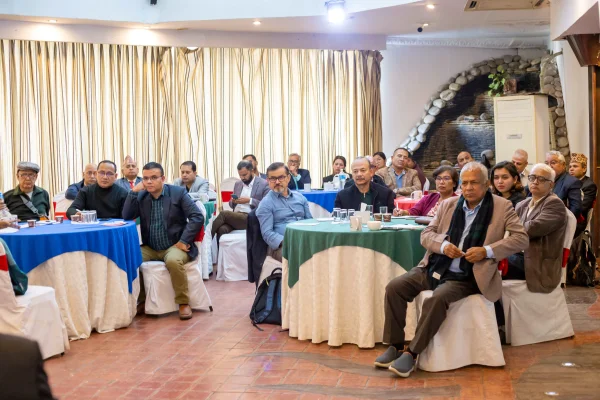
KATHMANDU, Nov 14: Experts have called for a stronger and more inclusive role of science in Nepal’s development, stressing the need for evidence-based policies to address climate change, connectivity and clean energy challenges. The call was made during a round table discussion on “Harnessing Science for Connectivity, Climate Action & Clean Energy,” organized by the Asian Institute of Diplomacy and International Affairs (AIDIA) in Kathmandu on Thursday to mark World Science Day 2025.
Delivering his opening remarks, former Minister for Environment, Science and Technology Ganesh Shah emphasized the urgency of integrating scientific advancements into national policies. He said Nepal must rely on actionable and accessible scientific knowledge to tackle rising development pressures and climate vulnerabilities, according to a press statement issued by the organizer.
NAST at work to publish directory of Nepali scientists and tech...

The event brought together experts, policymakers and academics, who shared insights on three major themes. Laxman Bahadur Basnet, Distinguished Fellow at AIDIA, presented on connectivity, highlighting how science and technology can strengthen digital systems, transportation networks and regional linkages, the press release noted.
Speaking on climate loss and damage, climate adaptation and DRR expert Ujjwal Upadhyay warned of the escalating impacts of climate change in Nepal and underscored the need for stronger scientific and policy frameworks. Likewise, Kuber Chalise, Research Director at AIDIA, discussed Nepal’s clean energy transition, noting the rise in hydropower production and increasing use of electric vehicles, while pointing out the challenges that remain in reducing fossil fuel dependency, according to the organizer.
An open discussion followed the presentations, during which participants stressed the importance of a multi-stakeholder approach to bridge the gap between scientific research, policymaking and implementation. Speaking during the session, Anup Upadhyay, chair of Nepal Ujjyalo Party and chair of the Nepalese Association of PPP Professionals and Practitioners (NAPPP), highlighted existing policy gaps that have prevented effective execution of government plans.
The event concluded with a commitment to continue dialogue on science-led development. As a gesture of appreciation, AIDIA Programme Director Sajina Rai presented tokens of love to the speakers, the organizer said.