KATHMANDU, Nov 29: Rights activists and experts have stressed that the rapid spread of mobile and digital technology without corresponding digital literacy is fuelling gender-based violence (GBV).
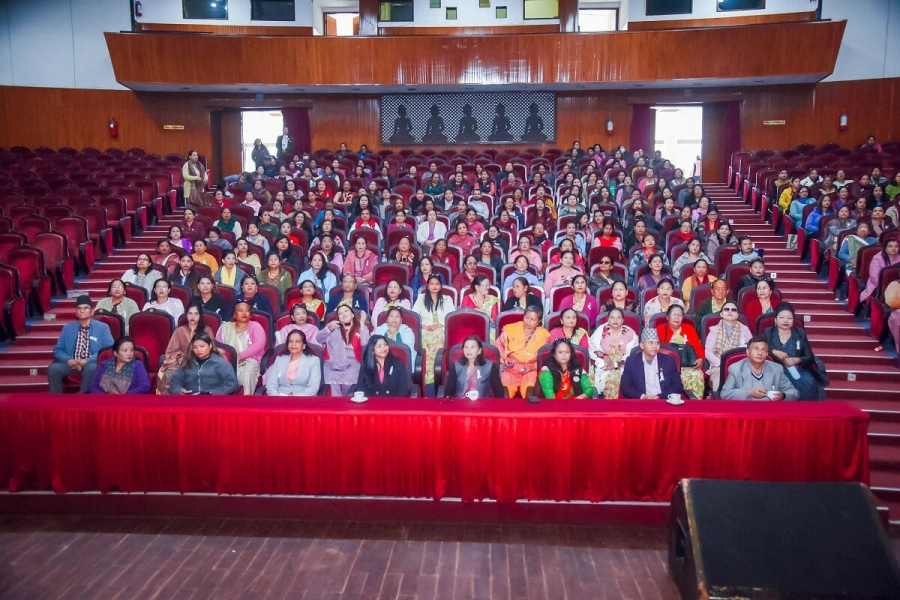
Speaking at an interaction organised by the Social Development Department of Kathmandu Metropolitan City (KMC) as part of the 16-day campaign against gender-based violence, Deputy Mayor Sunita Dangol highlighted that physical forms of violence are increasingly taking digital forms. She emphasised the need for education and awareness programmes to protect citizens, noting that preventive measures are more important than post-incident rescue and rehabilitation.
This year’s campaign, under the theme ‘Use Technology Responsibly, End Gender-Based Violence,’ coincides with several international observances, including World AIDS Day, the International Day for the Abolition of Slavery, the International Day of Persons with Disabilities, Menstrual Hygiene Day and Human Rights Day. Each of these observances ties into the broader agenda of combating GBV.
NMB, NBI join hands for financial literacy program

Data presented by officials highlighted the growing scope of digital and physical gender-based violence in Nepal. Deputy Superintendent of Police Gajendra Acharya noted a sharp rise in cybercrime complaints—from 357 in FY 2016/17 to 19,730 in FY 2023/24. Similarly, Pushpa Ghimire of Kanti Children’s Hospital reported that 23% of women have experienced some form of violence in their lifetime, while 27% of married women have faced physical, mental or sexual abuse. Only 28% sought assistance.
Nepal’s one-stop crisis management centres provide legal, administrative and healthcare services under one roof and are operational in KMC’s maternity and women’s hospitals, Kanti Children’s Hospital, Bir Hospital, the National Trauma Centre and Sukraraj Tropical & Infectious Disease Hospital.
Shilpa Phuyal, head of KMC’s Legal and Human Rights Division, highlighted the critical role of ward-level women’s networks in responding immediately to gender-based incidents. Social Development Department Chief Samiksha Niraula added that all forms of gender-based discrimination, abuse and violence are recognised as crimes under Nepalese law, with institutional mechanisms in place for their prevention and redress.
KMC has enacted several legal instruments and mechanisms, including the Gender Violence Prevention Fund, Anti-Trafficking and Movement Regulations, and Women’s Network Formation and Operation Guidelines, to ensure community-level monitoring and prevention of GBV.
Officials emphasised that violence affects not only women but also men and sexual minorities, and that prevention strategies must account for social, economic and political contexts. With the rise of digital platforms, new forms of abuse have emerged, necessitating awareness, legal frameworks and proactive intervention.
The 16-day campaign, observed annually since 1991 from November 25 to December 10, aims to eliminate all forms of gender-based violence and build a society grounded in equality.


.jpg)