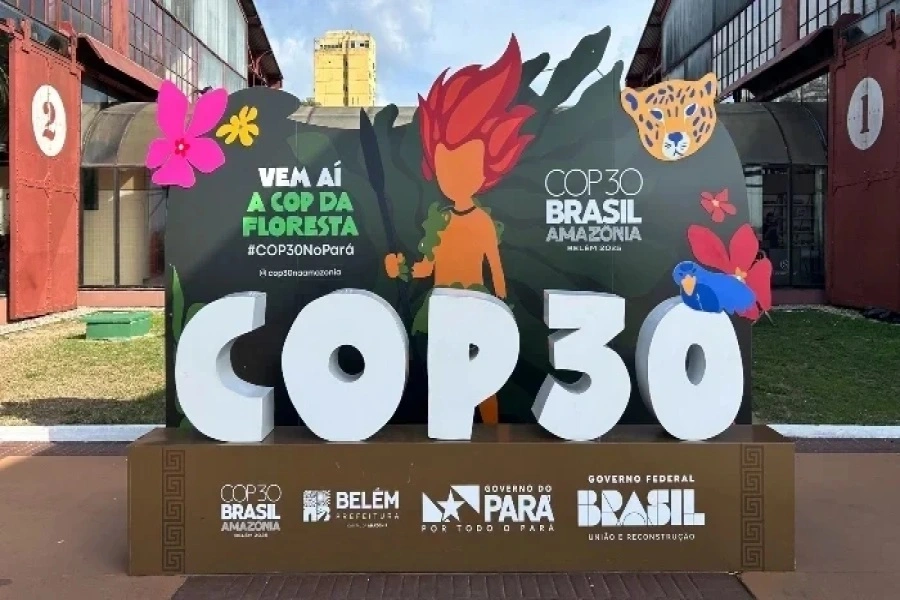
In 1992, the Rio Earth Summit initiated the establishment of a multilateral convention to tackle anthropogenic climate change, backed by evidence from the Intergovernmental Panel on Climate Change (IPCC) and consensus that the fossil fuel–led economic system was the driving force behind the crisis. In these 33 years of continuous but extremely slow multilateral negotiations, the world has still failed to address the sorrows and struggles of the people and communities at the frontlines of the crisis.
With every Conference of the Parties (COP) of the United Nations Framework Convention on Climate Change (UNFCCC), it increasingly feels as though the global community stands with fossil fuel corporations, while our lives and livelihoods are treated as mere tokens wagered in the climate gamble. This raises the question: Were those COPs ever COPs of truth? Was Belem the COP of truth?
What Happened at COP 30?
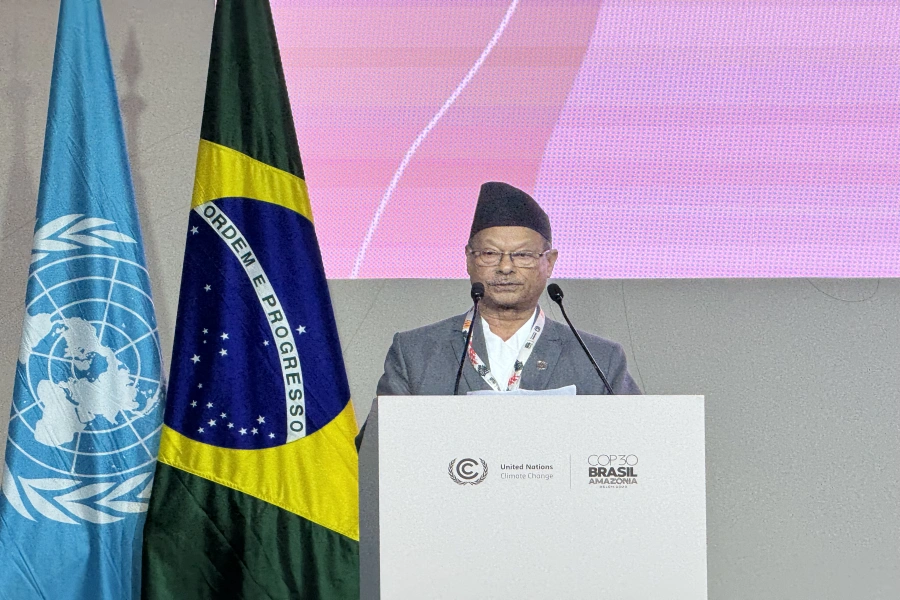
As November 2025 opened with COP 30 in the land of indigenous movements and struggles along the banks of the Amazon, it brought both dissatisfaction and a glimmer of hope for communities and countries like Nepal. COP 30 delivered decisions primarily on just transition, adaptation, unilateral trade and finance, with a tentative step towards fossil fuel transition. This year’s COP was a roller-coaster: from developed countries lagging behind or blocking negotiations to increased militarisation targeting civil society and indigenous groups.
The UNFCCC abandoned the essence of its establishment—a process led by communities whose struggles demanded a convention to amplify their voices and protect ecology and humanity. Instead, it reinforced global patterns of state-led suppression, even barricading indigenous peoples outside and restricting their participation. But the people resisted these forces, converging in their thousands across borders and struggles within the People’s Summit and the People’s March for Climate Justice, reclaiming power and presenting grounded, real solutions to the climate crisis—solutions that are just, equitable, rights-based and pro-people, such as agroecology in contrast to Climate Smart Agriculture.
Azerbaijan to host COP-29

With 1,600 fossil fuel lobbyists present and no conflict-of-interest provisions within the UNFCCC, it felt as though the space had become a circus designed to derail global efforts, drifting away from real solutions and reducing debates to commas and brackets. The question of truth intensified with the presence of a separate “Agrizone” in Brazil—beyond the Blue and Green Zones—hosted by Embrapa (Brazil’s public agriculture research body) and sponsored by Nestlé and pesticide giant Bayer. Supported by major Brazilian newspapers including Valor Econômico, O Estado, and O Globo, this zone appeared to greenwash past misconduct and again shift the burden onto the communities most vulnerable to the climate crisis.
The People’s Power
Reclaiming truth and standing firmly with the people, civil society organisations, movements, indigenous groups, gender advocates, youth, and all representing real voices invested every ounce of their energy—from the COP 30 action sites to the streets where over 70,000 people gathered—to challenge the blockade imposed by developed countries led by the EU, demanding that they deliver what they owe to the world. Even with the additional day added to COP 30, people held the line, supporting developing countries to not lose hope and reminding them that they can still deliver climate justice.
Through sustained pressure from frontline communities and movements throughout the talks, COP 30 delivered a handful of necessary and hard-won improvements, including the “Just Transition Mechanism” within the UNFCCC—offering hope for a plan that will be just, equitable and ecological, leaving no one behind. The Mutirão (“a tradition where people come together to help each other, usually in rural or indigenous communities”) marked a crucial step on the global north’s financial obligations. There was also an option to discuss trade–climate linkages and recognition of the need for a formal space to examine implementation of Article 9.1 for the first time (the Paris Agreement’s requirement for developed countries to provide climate finance to developing countries).
COP 30 also moved forward with the historic proposal for the first phase of implementation of the Fund for Responding to Loss and Damage within the Barbados Implementation Modality—a beacon of hope for communities most severely affected by the climate crisis. However, no significant commitments were made to fill the fund. A similar deception was seen in the hollow commitment to triple adaptation finance without any reference to a baseline, when the real need for adaptation and loss-and-damage finance runs into the trillions.
After 33 years of struggle, the global community is still not ready to include the transition away from fossil fuels in formal text. The COP 30 President had to rely on Colombia’s Belem Declaration on transitioning away from fossil fuels—one heavily dependent on multilateralism and political will, both of which were absent within the UNFCCC process.
Where Was the Truth?
In the so-called “COP of Truth” at Belem, we witnessed many lies: lies of action, lies of participation, lies of the global north championing climate action, lies of climate finance, and the greatest lie of all—that the UNFCCC is a space for the people. It continues to do too little, too late, without acknowledging that colonialism, imperialism and capitalism are the roots of climate collapse. Outside the blue walls of Belem, the truth was clear: real climate action comes from people-led, community-rooted solutions, and it is people’s power and movements that will deliver transformation.
Despite obstruction, delay, false solutions, and geopolitical pressure from fossil fuel-led countries, the truth remains that the answers lie with the people—not with the creators of climate collapse.
“And this is the truth… the truth of climate action.”
The author is a climate justice activist working closely on issues related to agroecology, loss and damage, and adaptation from a climate justice perspective.







-1200x560-1774606010.webp)