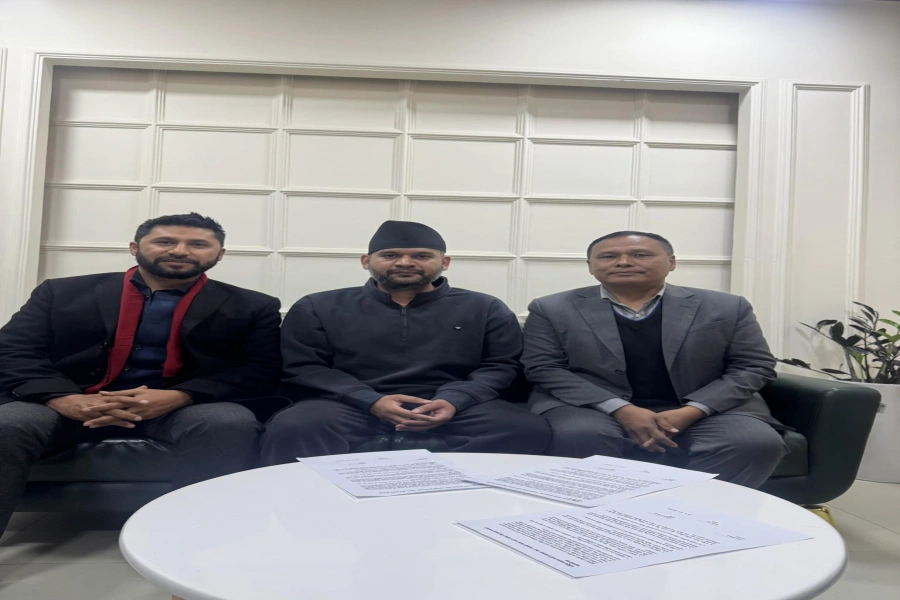
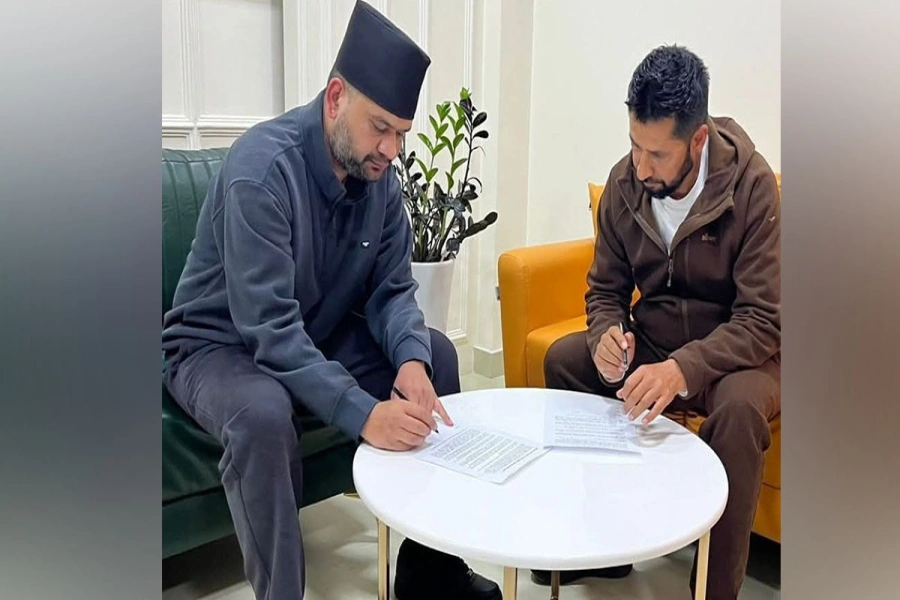
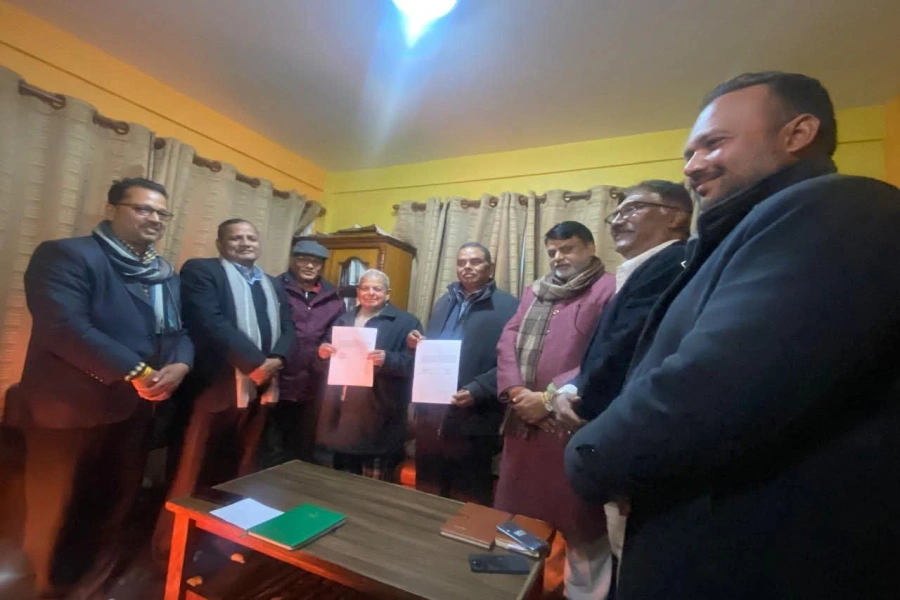
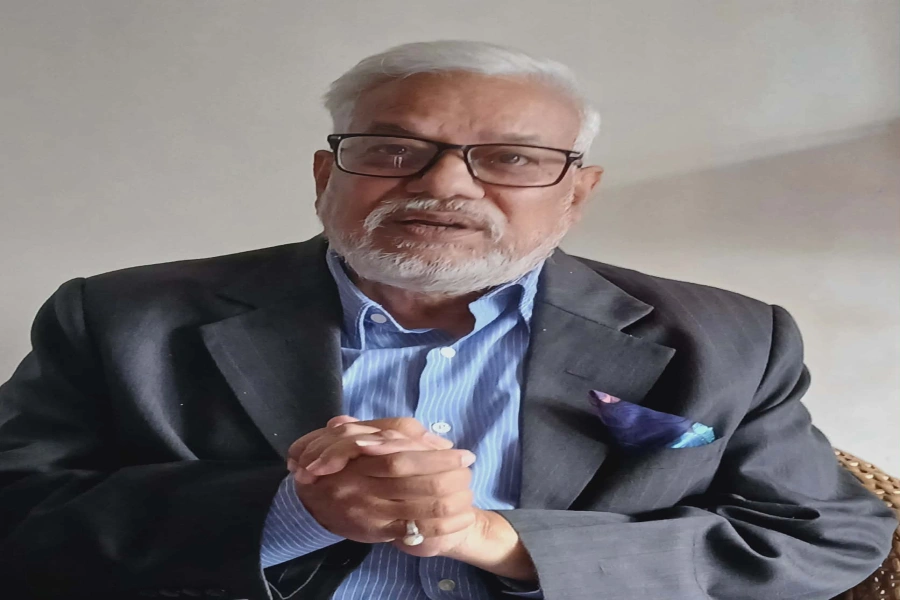
The commission, which waited for almost 13 months for the regulations to be endorsed by the Council of Ministers, has decided to seek complaints from victims for 60 days between April 17 and June 17."We have decided to seek complaints from April 17 through the TRC central office in Kathmandu and offices of local peace committees in the districts," said Surya Kiran Gurung, the chairman of the TRC.
"We have also decided to form an oversight mechanism for monitoring the complaint-lodging process throughout the country to ensure that every family of victims could file complaints. The oversight committee will include representatives from human rights organizations, media, conflict victims and other stakeholders," he added.
According to Gurung, the commission has been working out the size and modality of the oversight committee. "Local peace committees in some districts are disputed and have remained ineffective. Thus forming oversight committee has become essential," said Gurung.
However, TRC Commissioner Madhavi Bhatta said that she is in favor of effecting reforms in the local peace committees rather than only forming oversight mechanism. "In some districts, when we consulted the victims, they had clearly told us that they do not have faith in local peace committees as they have seen even perpetrators within the mechanism. Amid such situation, reform in peace committees should be effected before seeking complaints," said Bhatta.
The TRC has also set a goal of starting detailed investigation into war-era crimes from June 15.
Earlier on Friday, the Commission of Investigation on Enforced Disappeared Persons (CIEDP) had announced that it would start receiving complaints from victims' families from April 14 till June 14.
Related story
TRC's Bhatta decries decision to receive complaints thru CDOs