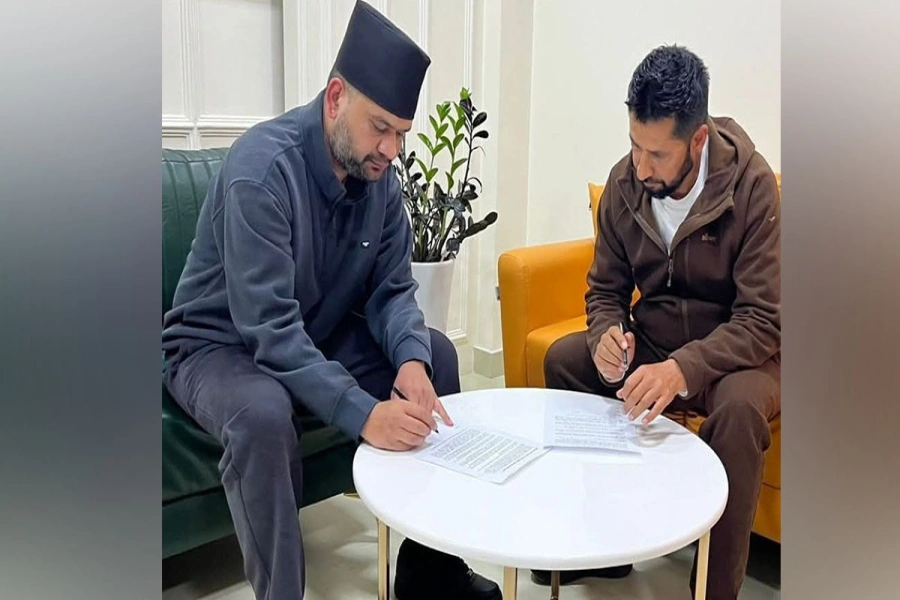
The agreement between Rabi Lamichhane-led Rastriya Swatantra Party (RSP) and Kathmandu Mayor Balen Shah to contest the upcoming House of Representatives (HoR) election together signals significant political realignments ahead of the polls. Under the deal reached on Sunday morning, RSP will field Balen as its prime ministerial candidate, while Lamichhane will continue as party chair, and the party’s election symbol will remain unchanged. Balen, who enjoys broad support among the youth, and the RSP, which has a nationwide organization, are expected to benefit mutually from the collaboration. With Lamichhane barred from holding public office due to pending court cases, the decision to field Balen is understandable. For Balen, the RSP’s organizational base across the country offers a strategic vehicle to expand his political influence, making this a win-win arrangement for both sides. With another agreement to bring Kulman Ghising-backed Ujyalo Nepal party to its fold on Monday, with Ghising as Senior Vice President, the RSP has emerged as a formidable force to challenge the old parties like the Nepali Congress and the CPN-UML.
Gen Z 2.0 and Gen Z United Movement for Change announce merger
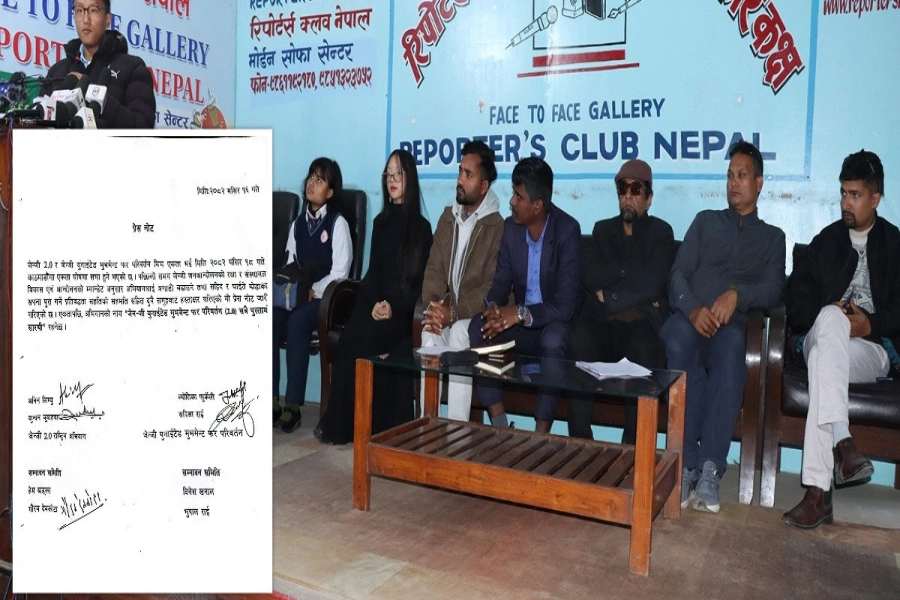
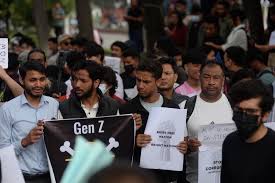
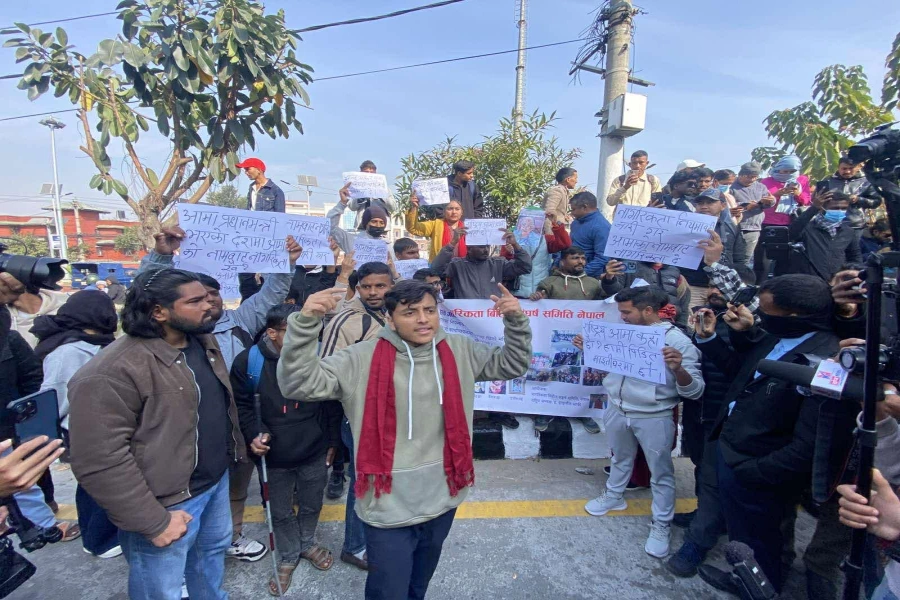
The “Grand Unity” agreement, signed by Lamichhane and Balen, explicitly commits to “uphold the movement led by young people against corruption and misgovernance and to appropriately address the demands of injured and martyr families,” effectively taking ownership of the Gen-Z movement. This is significant because the large-scale September 8–9 protests, which involved casualties and unprecedented destruction, will no longer be left unacknowledged in history. While the movement is not mentioned by name, the agreement’s commitments link both leaders to the events, raising questions about their responsibility. Another positive aspect is that the broader alliance between Rabi, Balen and Kulman may also increase participation in the HoR election scheduled for March 5. With most Gen-Z groups now less likely to oppose the polls, even leaders of traditional parties, who previously cited a “non-conducive environment,” may face pressure to engage actively. The Rabi-Balen-Kulman unity could energize voters and revive public interest in the elections. Voters who had grown disillusioned seeing the rotation of three top leaders in the post of prime minister may view the alliance as both an opportunity and a challenge.
The upcoming election will determine who governs with a fresh mandate. At minimum, democracy, derailed after the Gen-Z movement, could be restored to its proper path. Parliament would then have legitimacy to resolve political challenges including addressing the legitimate demands of Gen Z youths, provided no further destruction occurs in the name of a new generation or group. Since the Grand Unity agreement explicitly claims ownership of the Gen-Z movement, Rabi and Balen must also take moral responsibility for the September 9 incidents. If they fail to clarify their role to the public, they cannot be considered fully accountable to the people they represent. Leaders stepping forward to guide the country must also demonstrate moral courage. After all, moral responsibility and personal integrity are what define accountable leadership in a democratic system.