

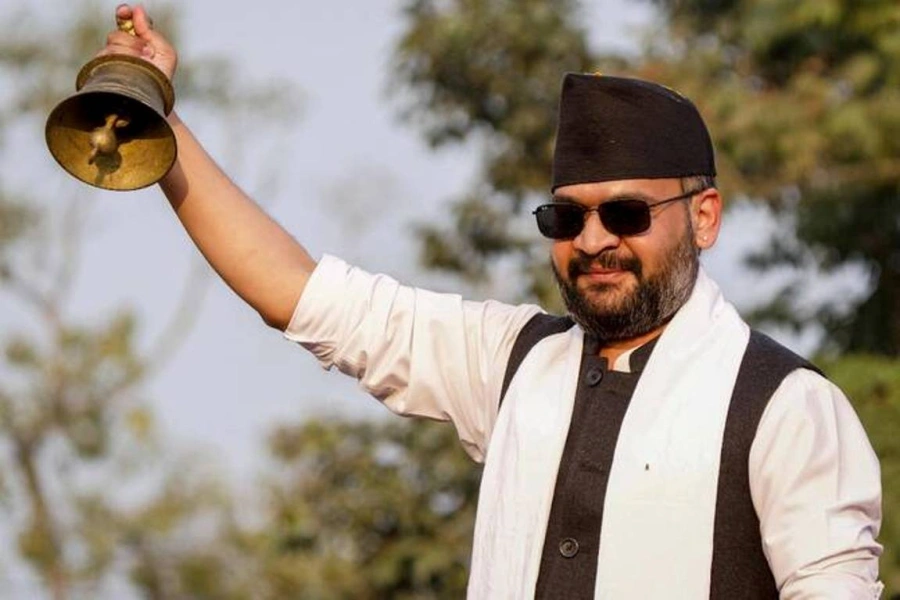
Nepal has just completed its national election, and voting was conducted peacefully. Yet the results have surprised many observers. A new political force has risen, while several older parties are losing ground.
The Rastriya Swatantra Party (RSP) has moved ahead in many constituencies, suggesting it could secure a near two-thirds majority. One major reason behind this shift is the entry of Kathmandu Mayor Balen Shah into the RSP and national politics. His arrival changed the mood of voters and swung the election in his party’s favour. Many voters began to see the RSP as a party capable of delivering change and offering a real alternative to traditional political forces.
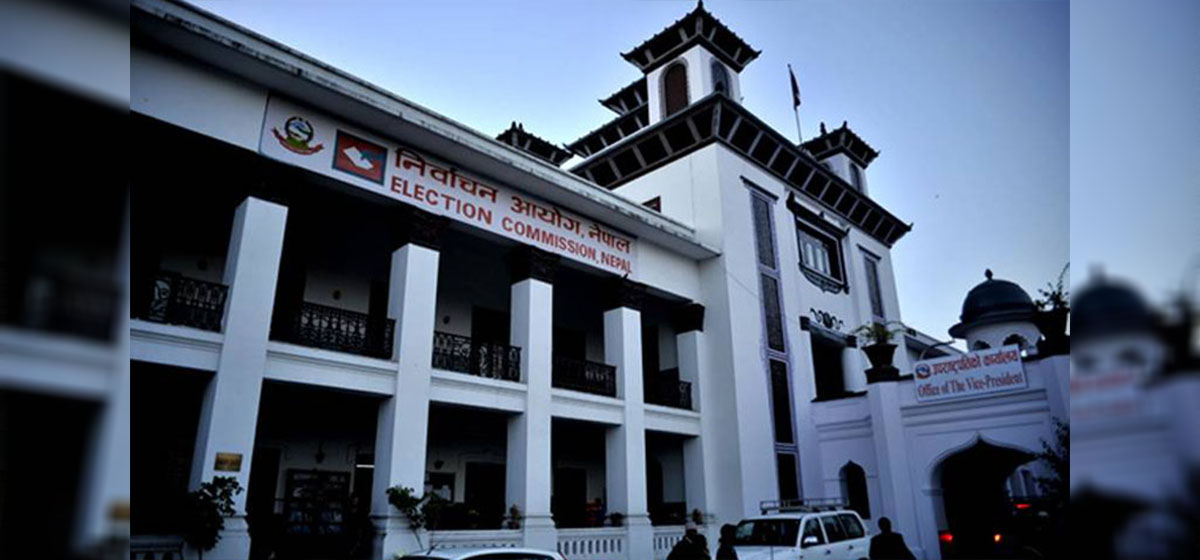
At the same time, another trend stood out: fewer people voted than many had expected. The Election Commission estimates that about 60 percent of Nepal’s 18.9 million voters took part in the election. While this figure is not extremely low, it is still lower than many anticipated.
This election came after a period of political unrest and youth protests. Many believed these developments would encourage higher voter participation. Instead, turnout remained modest. This fact reveals much about the current state of Nepali politics.
To understand the election outcome, two factors must be considered together: the rapid rise of the RSP and the relatively low voter turnout.
The rise of the RSP is closely linked to Balen Shah. As mayor of Kathmandu, he built a strong public image. Many people saw him as a leader who acts quickly and speaks directly. His work in the city gained wide attention through social media.
Videos of his decisions, speeches and actions spread rapidly online. Young people shared them widely. Many Nepalis working abroad also followed his activities closely. Soon, his reputation reached towns and villages far beyond Kathmandu.
When Balen joined the RSP, that popularity came with him. The party suddenly appeared stronger and more credible. Many voters dissatisfied with traditional parties began to view the RSP as a fresh alternative.
RSP hatching strategy to end Balen’s politics from Jhapa: UML J...

Reasons behind low turnout
Social media played a significant role in this political shift. Nepalis living abroad also helped spread the message. Many of them spoke with family members at home about corruption, employment opportunities and better governance. These conversations helped shape opinions ahead of the election.
Yet the story does not end with the rise of one party. Lower voter turnout also influenced the results.
Millions of Nepalis live and work abroad in the Gulf countries, Malaysia, South Korea and other destinations. While they closely follow politics through phones and computers and actively discuss elections online, they cannot easily vote from abroad. Their absence reduces the total number of ballots cast in Nepal, which is one reason turnout did not rise.
Another factor is growing public frustration. Some voters feel elections do not bring meaningful change. They have seen many leaders promise reform in the past, only for those promises to fade later.
Because of this disillusionment, some citizens choose to stay home during elections. They observe the political process from a distance and wait to see whether genuine change will occur.
Internal problems within major parties also affected voter participation. The Nepali Congress entered the election facing divisions among its leadership. Disputes over leadership and candidate selection weakened the party’s campaign.
The CPN-UML faced similar tensions. Many supporters were dissatisfied with internal decisions and candidate nominations. When party workers lose motivation, they cannot mobilise voters as effectively as before.
The Nepal Communist Party led by Pushpa Kamal Dahal also struggled to expand its support base. While the party retains loyal followers in certain regions, its national influence appears weaker than in the past.
Regional parties based in Madhesh also encountered difficulties. These parties once mobilised strong support by raising identity and regional issues. This time, however, many voters seemed more interested in promises of clean governance and new leadership.
As a result of these factors, several traditional parties are performing poorly in the election results. Their supporters did not turn out in large numbers. Some voters shifted to the RSP, while others simply stayed home.
Lower turnout can have significant political consequences. When fewer people vote, even a relatively small surge of support can alter the final outcome. In this election, the RSP benefited from that situation.
The results also reflect widespread public anger toward the political establishment. For years, citizens have watched frequent coalition changes, power struggles and corruption scandals. These experiences gradually eroded public trust.
Last year’s youth protest movement added to this frustration. Many young people demanded better governance and stronger accountability. Their dissatisfaction created a powerful demand for change.
Craving for change
Even if not all of them voted, their message shaped the national political debate. The election became an opportunity for voters to send a signal to the old political leadership.
At the same time, lower turnout carries a warning. Elections function best when most citizens participate. When many voters stay away, it suggests that trust in politics remains fragile.
Nepal now stands at an important moment. The RSP has gained strong support because many people want change. Yet winning votes is only the first step. Governing the country is far more challenging.
The party now faces high expectations from voters who want honest leadership, improved public services and meaningful economic opportunities at home. Meeting these expectations will not be easy.
Meanwhile, older parties must also reflect on the election results. If they ignore the public message, they risk losing even more support in future elections.
Nepali voters have spoken through the ballot box, even if turnout was lower than expected. They clearly want something different from the politics of the past.
The coming years will reveal whether this election truly marks the beginning of a new political chapter or becomes another moment of hope that gradually fades.
Nepal’s political history often shows cycles in voter behaviour—periods of rising expectations followed by deep disappointment. These cycles frequently lead voters to shift their support in search of better alternatives.
Democracy continues to function because citizens repeatedly return to the ballot box, driven by the hope that their next choice may finally deliver results. This time, a large number of voters placed their trust in the RSP. How the party responds to those expectations will ultimately determine its political future.







-1200x560-1774606010.webp)


