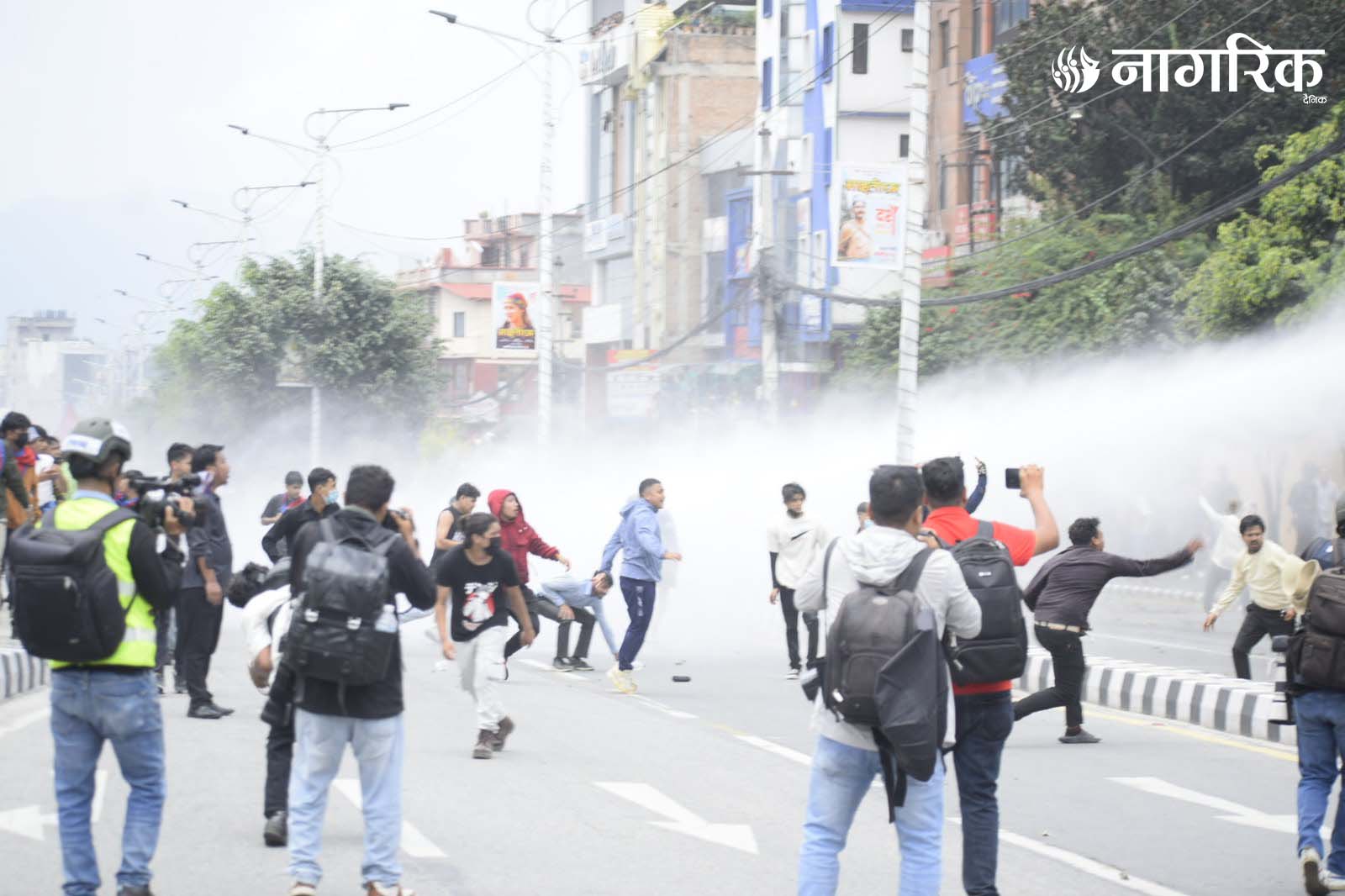
It is disheartening to see that the Gen Z youths who made history by heralding a new beginning in the nation’s politics are now beset by internal differences. Barely a month after their historic September 8–9 protests that toppled the government, Gen Z appears to be moving in different directions. Such a situation is concerning, especially given that elections for parliament have already been declared for March 5, 2026—a litmus test for both traditional parties and Gen Z youths. A strong commitment to good governance, ending corruption and nepotism, and building a more equitable system that inspires thousands of young people is the cornerstone of the Gen Z movement. If that spirit is weakened by friction and factionalism, the sacrifice of youth martyrs on September 8 and 9 will be in vain. The Gen Z movement is not about changing or swapping faces in power. Rather, it aims to ensure sound governance, honest decision-making, and equitable participation. Divisions among young people threaten to bring back the same old, tired faces to power, allowing them to reclaim control over what the youth sought to change.
Dahal calls on Maoist constituents to unite

Meanwhile, the youths must not only present a united front but also place trust in the caretaker government of Prime Minister Sushila Karki. This is the same government that came to power through the people’s movement led by these youths. To make the March elections a success, the government must not be left at the mercy of the same organizations the youths protested against. The young leaders must look beyond their egos and realize that a failed election would push back everything they have fought for. The goal now is to organize a legitimate, peaceful, and democratic vote. That is possible only if Gen Z comes together for a common cause. Disagreement is inevitable in a democracy, but internal friction could sap the movement’s strength. It is time to end the race to form new parties or groups and instead rally behind the larger goal of institutionalizing the achievements of the protests. We must also recognize that the political landscape remains fragile. CPN-UML has threatened to boycott the election, prompting the President to express concern that such actions may create further instability. This could undermine the political process and create room for anarchy. Traditional parties are closely watching the youth movement. A divided Gen Z front would only weaken its position in the polls. Youth leaders must rise above petty divisions.
At this critical juncture, Gen Z must remember: it’s not about who gets to the top, but about proving that a new generation can lead better—cleaner and more responsibly. Losing sight of this mission would reduce them to just another name in Nepal’s long list of failed political movements. Security is another area of concern. The recent jailbreak and looting of police weapons have raised doubts about the government’s readiness to hold elections. Since law and order before, during, and after the polls must be the government’s top priority, clear planning and strong coordination are essential. Youth leaders should mobilize their members to maintain peace and stability rather than sow doubt. The people who have placed their hopes in Gen Z for a corruption-free and equitable Nepal want to see the same passion and unity that propelled the youth movement to bring political change. To fulfill that promise, Gen Z must stay united—at least until the elections.