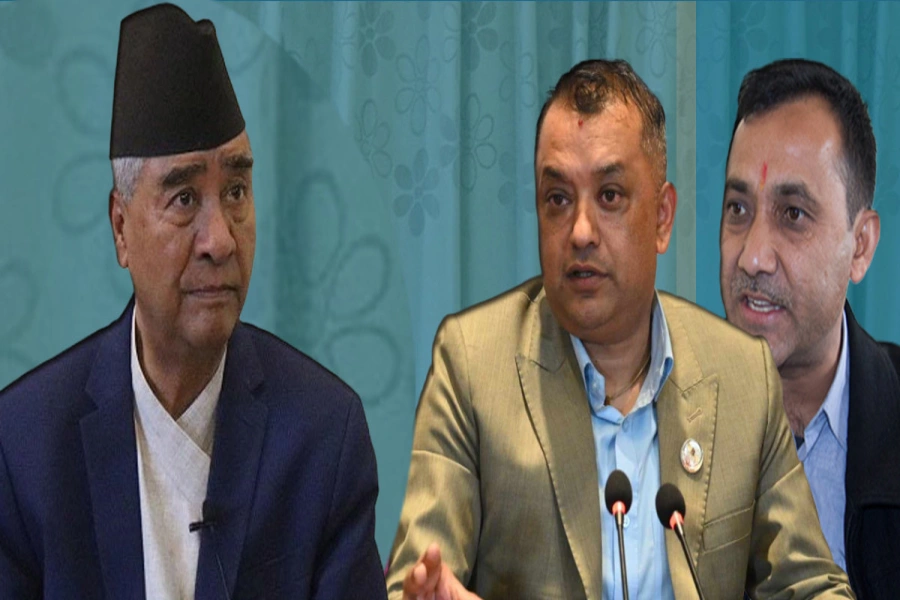
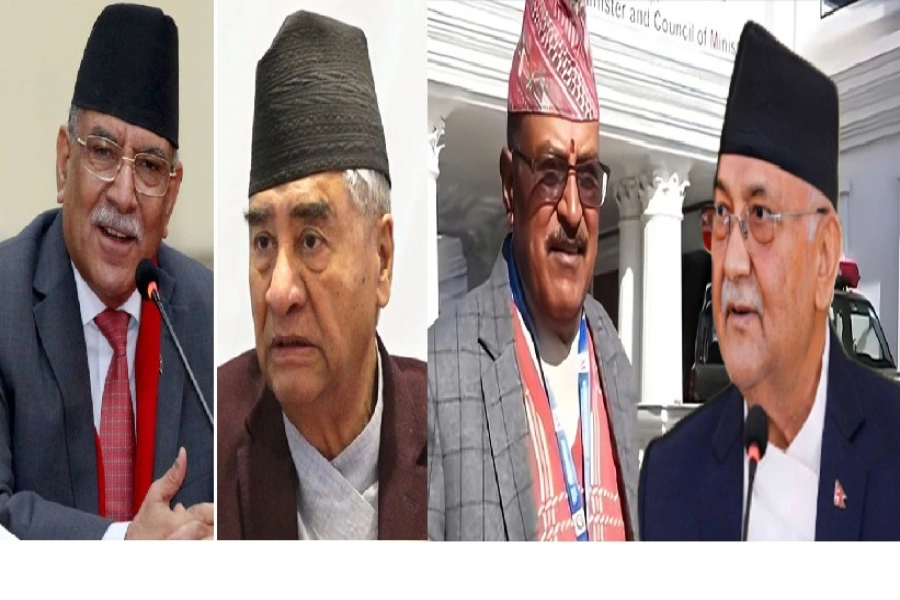
Nearly four months after the dissolution of the Constituent Assembly (CA), political leaders continue to engage in an unfruitful dialogue. The parties have time and again rebutted their own claims and have crossed the deadlines set by them. This is not the time for a fresh debate that leads to uncertainties, but for holding a dialogue that would provide a basis for consensus.
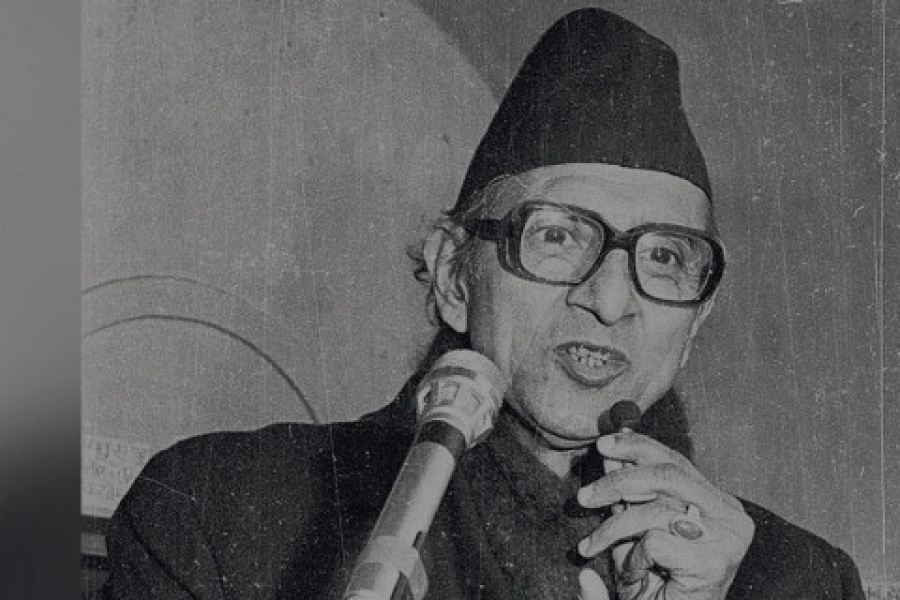
Experts, however, feel that the whole dialogue process is flawed, as the parties hardly do any homework before sitting for talks. Daman Nath Dhungana, who has been mediating between the parties since the beginning of the peace process, feels that the negotiations among top leaders often yield no results as they are held without any plan, homework and without following any system. He stresses on the need for a structured dialogue that would help make the talks systematic and productive. For this, he says, the stakeholders should agree on a modus operandi and even nominate a convener acceptable to all sides. We agree with Dhungana that the present form of dialogue would not yield any result, as the leaders are only putting forward their stance rather than listening to one another and finding a workable solution. For this, the parties need to nominate independent facilitators or mediators so that talks are held in a proper manner.
In the absence of necessary procedures of structured dialogue and guided by personal interests, the parties are wasting time. Take for example, the issue of federalism. There has been enough debate within the four walls of a party leader’s house or a posh hotel room but the real stakeholders are hardly represented in the talks. When it comes to discussing one’s identity, the issue becomes sensitive. Representatives of various ethnic communities have their own grievances. They want an equal share in state affairs, as these marginalized communities have been deprived of their rights for a long time.
Without involving these very groups, any dialogue regarding federalism would not be fruitful. One of the most positive aspects of the peace and constitution-making process is the continuous dialogue between the differing parties. But without structured dialogue, these talks are not going to materialize into positive outcomes.
The parties should understand that formation of a national consensus government with representatives from all sides, including the agitating groups, would be the last opportunity for them to overcome constitutional difficulties and start preparing for fresh elections to the CA. As the political situation and equations have changed since the April 2008 election of the CA, a fresh mandate would not only provide opportunities to the parties to review their stands on the most contentious issue of federalism, but would also provide another opportunity to sovereign people to elect their right representatives. People have had enough of the party leaders who have not shown any seriousness in addressing their grievances and fulfilling their aspirations.
Thus, it is time that political parties mend their ways and start a structured dialogue with proper homework. Above all, party leaders should abandon their rigid stands and be ready to compromise for the formation of a consensus government acceptable to all sides, which in turn would create an environment of trust to hold fresh CA polls. We hope Wednesday’s decision of the ruling coalition to go for fresh polls will soon be followed by meaningful discussions on the shape of the electoral government.
Related story
EU will back Ukraine 'every step of way' until peace: von der L...