I was four years old when the constitution of 1990 was promulgated. While I cannot relate to the euphoria of the time, the document, I now know, was a political compromise between the King and the political parties.Today we are making new compromises that will mark a new era of governance and cooperation. We cannot underestimate how significant this is, and we cannot let our fears about how things have been in the past, or even our concerns for the present, inhibit our ability to move forward together.
Yesterday, we saw the first elected president of our young republic, Ram Baran Yadav, promulgate the new constitution, drafted by the people's chosen representatives. This is a rare achievement where almost all minorities and suppressed groups have been well represented and their genuine concerns have been addressed. This was accomplished in the face of extreme difficulties and amidst vibrant public discussion—all proof of an emerging culture of debate and compromise that will serve us well for decades to come.
After some 65 years of struggle, Nepalis have once again shown the world that we are able to defy odds, make things happen and create history. Today, we celebrate the new constitution. After the end of civil war in 2006, the Nepali polity was fractured right down the middle. There were points when the prospect of another war loomed large. But despite big challenges, our politicians came together to bring new constitution, one that was desperately needed and one that will now support the country's growth and development.
This is not a perfect document, and leaders of the major political parties have expressed their commitment to amend the constitution in order to accommodate the aspirations of disgruntled Madheshi parties. While it's impossible to create a document that resolves every difference, it is possible to continue to improve and refine the constitution we have, over time, in a thoughtful way. This is an ongoing process for any modern society, and one that safeguards the wishes of the whole, which is a condition for peace and progress.
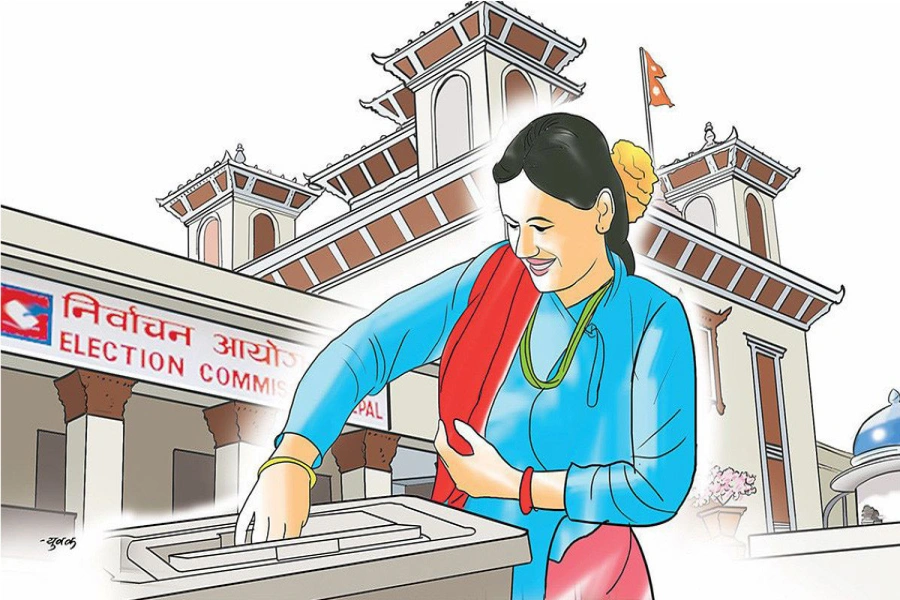
Almost 90 percent of the Constituent Assembly members signed the new document, including strong representation from the Tarai-Madhesh region. Despite strikes and bandas of some political forces, the election for the Constituent Assembly saw more than 80 percent turnout. People chose their representatives to represent their voice. Among lawmakers who voted in favor of new constitution, 120 were Janajatis, 67 Madhesis, 38 Dalits, 29 Tharus, 15 Muslims and 19 from backward communities. We can disagree on some contents—indeed it is our right and a sign of a vibrant public discourse to do so. But let us do so with a shared commitment to engage in the political process. And let us not neglect the fact that this constitution is hard-won for everyone who believes that we can govern ourselves through democratically elected leaders.
In this context, the promulgation of constitution on Sunday was indeed a historic occasion. This concludes the peace process that began with the signing of the 2006 Comprehensive Peace Agreement (CPA) between the then government and the Maoists, and subsequent uprisings in the Tarai.
Constitutions have rarely been passed unanimously. Of the 70 delegates appointed to the Constitutional Convention of the United States of America, only 55 delegates attended, and only 39 actually signed the Constitution. Some declined, others were sick and some even left early.
What's next?
The leaders of the major political parties, along with their local representatives from the Tarai-Madhesh, should now go to the South. They will have to hold multiple town-halls large-mass gatherings and help people understand that their issues of citizenship and inclusion have been already addressed in the constitution. The leaders should assure the people that provincial demarcations are subject to change as per recommendations of the Federal Commission.
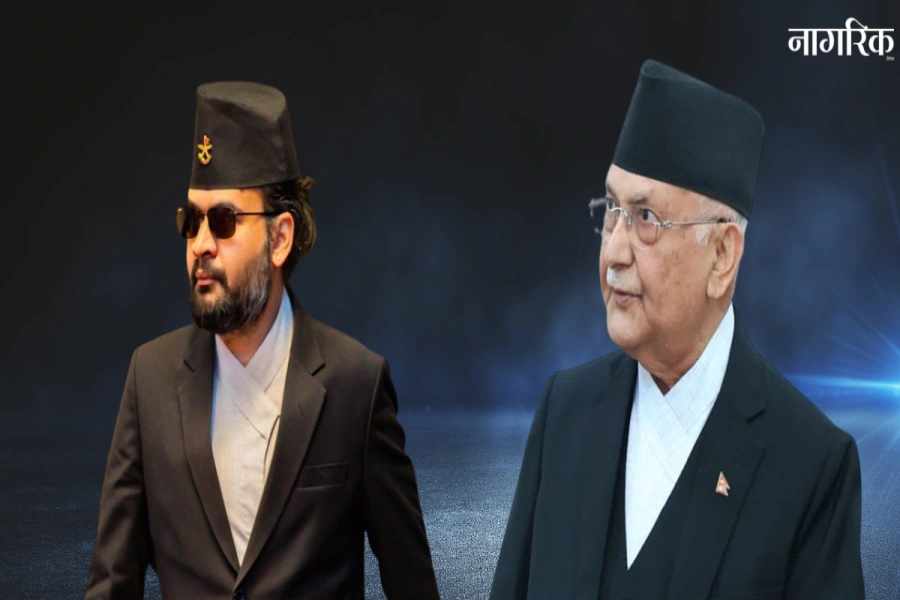
The unity we saw among the major political forces should remain intact. We saw the power of coming together for the greater cause. This day would have been unthinkable if it was not for Sushil Koirala, KP Oli, Pushpa Kamal Dahal and Bijay Gachhadar, who decided to set aside their differences and work for the greater good of the people. Moreover, our people quickly forget the past wrong of these leaders.
Our friendly neighbors and international well-wishers must also work closely with our government to implement the new constitution, build infrastructures at provincial level, rebuild destroyed villages and towns after the earthquake and support the creation of economic cycles. Only this will bring the much needed stability, harmony and prosperity to all.
Already, 44 people lost their lives after the six-province model of the Big Three became public. They didn't have to die. Many of them were commoners who had nothing to do with politics. They were just going about their normal lives. They were fathers, mothers, grandparents, sons and daughters. Their sacrifice should not be allowed to go in vain as we celebrate this day, and the families of the dead should be honored and supported by the government to ease their irreparable loss.
As a country, our singular focus should now be creating an equitable and prosperous economy. Without new opportunities, we will continue to see divided societies, conflict and never ending quest for affirmative protections from the state. If we fail to address the economic imperatives then the very spirit of creating an equitable society that is so well enshrined on our constitution will be defeated.
History will remember us as the generation that finally made a commitment to a constitution that can guide us and be the foundation for the growth we deserve and will have for generations to come.
Our work has only begun. Let us set aside our differences and engage in the task of uniting the country. It is our birthright and our destiny. By embracing this process and accepting this constitution as a necessary first step, we can mark this the beginning day of what is sure to be a strong and hopeful future.
Twitter: @subhash580
Related story
Minister Khatiwada calls for collective effort for promoting wo...