It is clear that Nepal is at a defining moment in its post-conflict history. The people of Nepal hope for and expect positive change, and they look to their leaders to deliver this change. They want the opportunity to work and live in peace as well as being able to seek justice when needed. They also want reliable access to basic services regardless of their ethnicity, caste, gender or ability. This is the time for leadership and political consensus where Nepal’s leaders come together to form a common vision of what Nepal can become, and move towards that vision.

I understand that building a consensus takes effort. We are in a coalition Government in the UK for the first time since 1945 and it takes time, understanding and compromise to forge a program of action for the national good. This is even more important in turbulent times when the State needs stability and a strong economy. I am particularly concerned about the potential impact the current situation will have on Nepal’s economy. As I see the economic turmoil threatening Europe and other parts of the world, it is especially important that Nepal does not cause self-inflicted harm to its economic growth prospects. Prolonged political uncertainty will only add to the negative impact on the economy, deterring both foreign and domestic investors and limiting development opportunities.
I think everyone is aware of the strength of the UK’s bilateral relationship with Nepal but I want to emphasise it here—and I do so with enthusiasm. In 2015 we will celebrate 200 years of Nepal-UK relations. This is a unique, long-standing friendship which is based on trust, respect and mutual admiration. At the centre of this relationship lies the Gurkhas, sons of Nepal who have served the British Crown with such honour and distinction for almost two centuries. But the relationship goes far wider. For example, the UK also stands by Nepal on its climate change agenda and has worked closely with it as the chair of the Least Developed Countries Climate Change Coordination group. Our education links are also strong, with the British Council and other institutions providing the examinations of choice for young Nepalis and a constant flow of students going to the UK for study.
Building consensus takes effort. As the coalition government in the UK has found out, it takes time.
As the Minister of State for International Development I have a particular interest in our development program in Nepal. I am consistently impressed by the work of the DFID team here whether it be on disaster preparedness, health, peace-building, private sector development or social inclusion. I have agreed a specific set of results for the DFID team in Nepal to deliver over the next three years, which includes 230,000 jobs being created, 4,232-km of roads being built and maintained, and four million people becoming more resilient to the impact of natural disasters and climate change. In particular, I want to recognise the importance of, and my pride for, the work that the UK has done to help excluded and marginalised people get a job, have access to essential services and be able to fulfil their potential. As recognised in Nepal’s Interim Constitution, achieving an inclusive society is crucial for Nepal to achieve long term stability and harmony.
My decision to visit Nepal at this decisive moment in its long and proud history is to offer again the hand of friendship from the Government of the United Kingdom. The UK stood by Nepal through some difficult years during the conflict and it is my hope and intention that through the enduring, special relationship our two great nations enjoy we will continue to stand shoulder-to- shoulder as the people of Nepal resolve the complex political issues they now face, while also dealing with some immense development challenges.
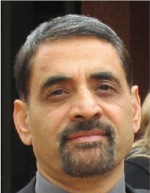
The author is UK Minister of State for International Development
Related story
Could we be any more excited? ‘Friends’ fans nuts for merch