KATHMANDU, Jan 7: The government has approved blending 10 percent ethanol in petrol to replace imports and provide environmentally friendly fuel.
With the Cabinet’s approval of the “Order on Using Ethanol Blended Petrol, 2082 BS,” Nepal Oil Corporation (NOC) can now blend ethanol into petrol and sell it.
Although plans to blend ethanol into petroleum products were made over two decades ago, they had not been implemented until now. If ethanol is blended into petrol, it is estimated that around seven million liters of petrol imports could be reduced.
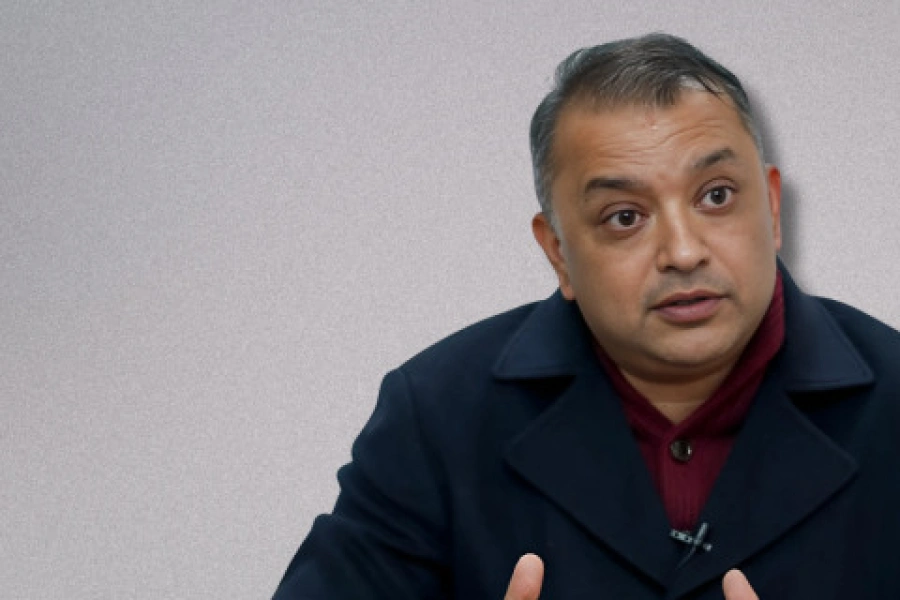
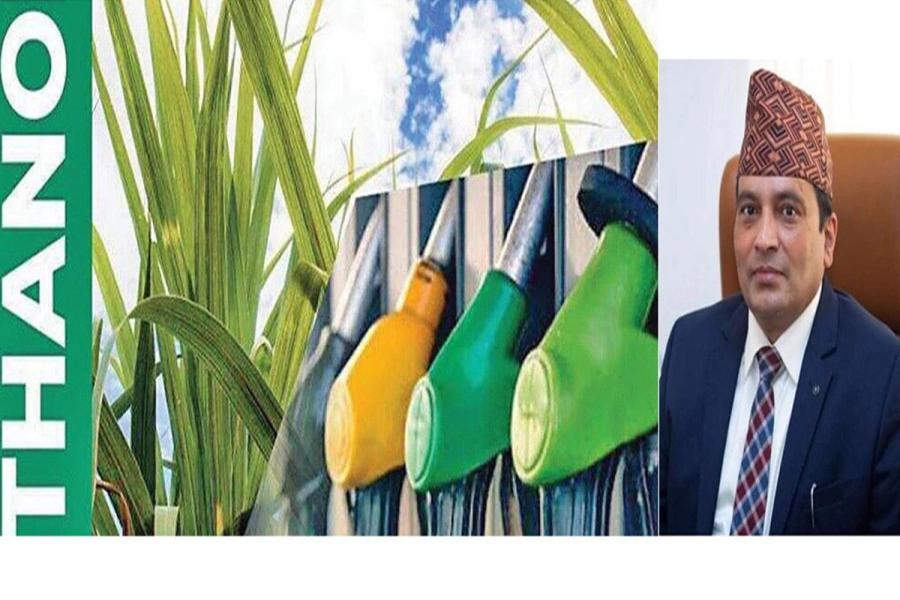
Dr Chandika Prasad Bhatta, Managing Director of NOC, said the process of blending ethanol in petrol will move forward. Once the Cabinet-approved procedure is received, the corporation will prepare the necessary framework for ethanol production and procurement. “A legal basis now exists to produce ethanol domestically and blend it into petrol for sale,” he said. “Using ethanol will help reduce petrol imports.”
Govt prepares to mix ethanol in petrol in a bid to save Rs 6 bi...

He added that ethanol use is also environmentally friendly. It will take some time to set standards for ethanol production and quality. “Ethanol cannot be imported from abroad,” Bhatt said. “Its use will also help generate employment.”
Although Nepal imports fuel from India, India has long been selling petrol blended with ethanol. Blending ethanol into petrol could reduce annual petrol imports by around Rs 6.25 billion.
Ethanol is a combustible substance with burning power. It helps reduce pollution by lowering engine emissions. “Ethanol is environmentally friendly as it does not release carbon dioxide,” Bhatta said. “Its use is necessary to protect the environment.”
Since ethanol is produced from agricultural products, the government should encourage its production, Bhatta said. “It will also provide farmers with a source of income,” he added. Ethanol can be produced from sugarcane, straw, and dried grasses.
Because Nepal imports petrol from India, using ethanol will also save foreign currency. Although a plan to blend ethanol into petrol was made in 2060 BS, it was never implemented. Without procedures and proper implementation, the policy to blend ethanol into petroleum products could not be carried out.
Once ethanol is produced with maintained quality, NOC will be able to blend 10 percent ethanol directly into petrol stored at depots. According to NOC studies, blending ethanol could reduce daily petrol consumption in the country by around four lakh liters.
Nepal consumes about 2 million liters of petrol daily, totaling around 730 million liters annually. With a 10 percent ethanol blend, petrol imports could be reduced by about 73 million liters a year. At the current import price of around Rs 85.11 per liter from Indian Oil Corporation, this would save nearly Rs 6.2 billion annually.
This year, the government announced ethanol blending in petrol to reduce imports. The current fiscal year 2025/26 budget includes a plan to blend bioethanol to control pollution and reduce petrol imports.
Although the government has approved a 10 percent blend in Nepal, India aims to reach at least 30 percent ethanol blending by 2030. India has also introduced policies to promote ethanol production. Ethanol blending is considered environmentally friendly, and in India, the petrol sold contains 12–20 percent ethanol depending on the region.
Petroleum businesses note that while the government is promoting electric vehicles, there needs to be thorough discussion about ethanol use. Blending ethanol into petroleum products is possible, but it should be done with attention to both consumer safety and environmental friendliness.