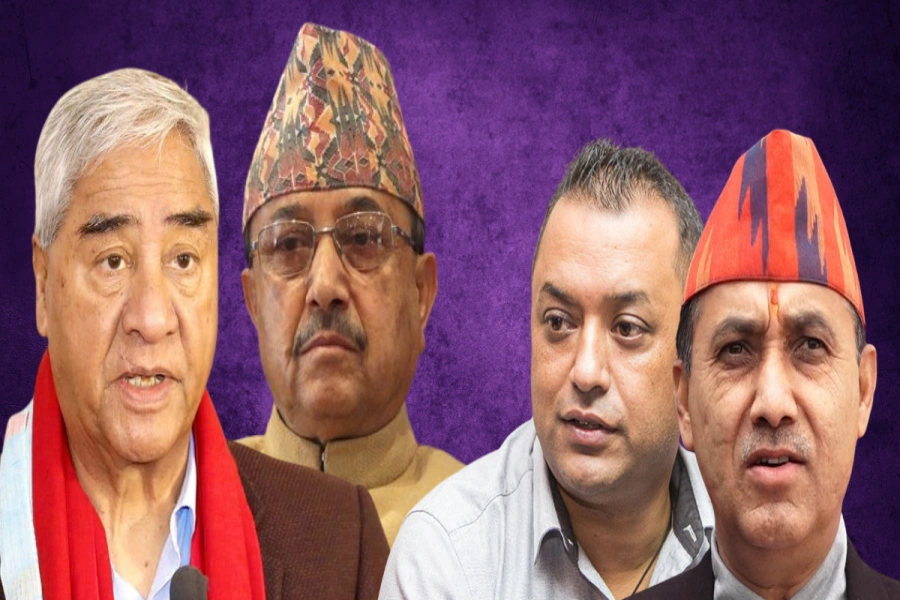
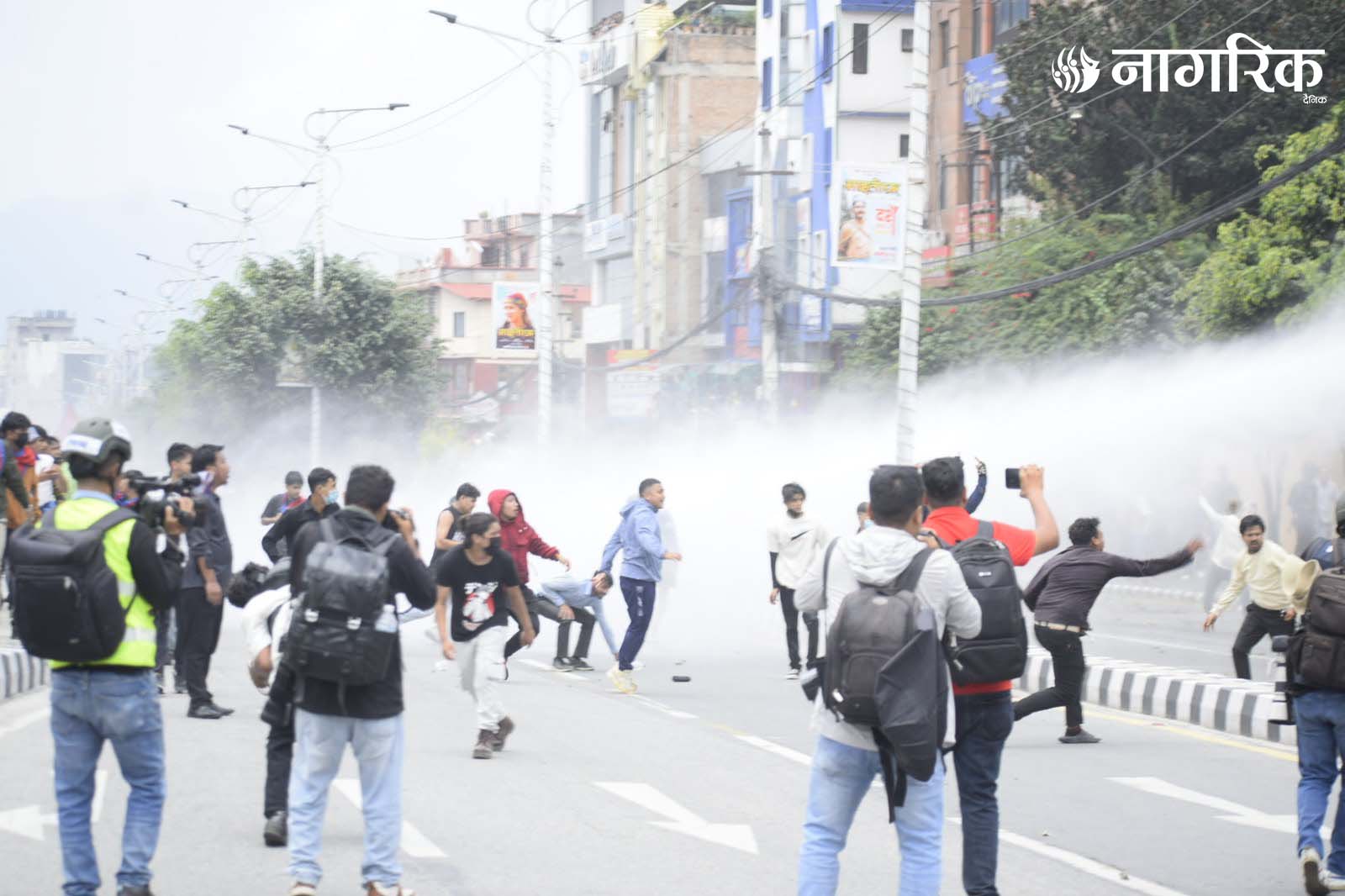
As we go to press there have been reports of the locals of Birjung forcibly removing the few remaining tents on the no-man's land at Birgunj-Raxaul border. Following this there has been a light vehicular traffic. This follows clear indications from sections of the Morcha that they are ready to reconsider blockade as a part of their anti-government protests. Ranjendra Mahato, the chairman of Sadbhawana Party, is known as a bit of a hardliner within the Morcha. During Morcha's previous negotiations with Big Three, even as other top Madheshi leaders like Mahanta Thakur and Upendra Yadav seemed to be in favor of a negotiated settlement, Mahato had ruled out any compromise unless all of the Morcha's demands were fulfilled. So when Mahato now says that it makes no sense to continue with the blockade of the Birgunj-Raxaul border—the country's lifeblood that handles 70 percent of the trade with India—it is not hard to guess that the Morcha is under extreme pressure to discontinue this highly disruptive means of protest. The pressure on Morcha has been building, not just from within the country but also from New Delhi.In this context, today, the Madheshi Morcha is scheduled to hold yet another round of talks with the Big Three. Since two of their key demands—proportional representation of marginalized communities and delineation of electoral constituencies primarily on population basis—have already been fulfilled with the January 23rd amendment of the new constitution, we would like to urge the Morcha to be more flexible. Thankfully, there have in the past few days been signs that both the sides are positive about delegating the task of review of existing federal boundaries to a new high-level political commission. This commission will propose new federal boundaries by some fixed future date. This makes sense. Right now the debate over federal boundaries is directed more by emotions than reasons. Hasty decisions on this most-important issue will not just be impractical; they could even be inimical to our national interest.
But whatever the outcome of today's talks, the Morcha should not go back to blocking the border and bringing hardship on common people they claim to represent. This is not how you protest in a democracy. As the growing incidents of physical attacks on Morcha cadres trying to enforce blockade at various border points hint, most people don't approve of Morcha's tactics and after four and a half months of uninterrupted hardship their patience is starting to wear thin. It would be foolish for Morcha not to see this writing on the wall. New Delhi, for its part, must realize that it made a big blunder by supporting Morcha's border disruptions. Thanks to the blockade, India-Nepal ties are at an historic low. Never before have so many Nepalis been so openly hostile to India. The recent constitutional amendments offer India an invaluable chance to save its face. It must take it. Further increase in anti-India sentiments in Nepal, and its geopolitical implications, would not be in the interest of India. The southern neighbor should thus be pragmatic; as should the Morcha. We hope cooler heads on all sides will now prevail.
Related story
Swadharma: A sense of natural harmony and clarity