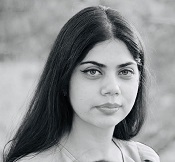
In this edition of chitchat, we caught up with four youngsters from different fields who shared their optimism regarding their take on the current situation of the country. They also spoke about how they can contribute to the country and make it better.
Omkar Nath Gupta, 22, a student of BE (Bachelors in Electronics and Communication) at Kantipur City College, Amar Raj Gurung, 22, pursuing BCIS (Bachelors in Computer Information System) at Apex college, Uma Singh Thankuri, 22, studying Public Health at Yeti Health Science Academy and Rukamanee Maharjan, 25, doing her Masters in Law and also working as a legal associate at Wildlife Watch Group, joined the discussion.
"We are passing through a critical moment in our country´s history. Many youth are frustrated and they find no proper outlet for that," said Omkar. Rukamanee added on an affirmative note, "We may not be living in the best of times but Nepal is certainly in its transitional phase and we should be able to accept that reality and try to make things better."
"We definitely don´t have as much opportunities as people have abroad. Running away is an option but how far can we run? After all we need to face the situation," said Uma. All four of them shared in common that the political instability in the country has forced many young students to leave the country and seek opportunities abroad.
 They also agreed that those who go overseas should gain the knowledge and make it a point to come back.
 Amar, however, said, "Many youngsters are so used to the situation of the country that they hardly care what´s going on around the country." Omkar, interrupting Amar, said, "This is the very reason why we all should be aware and at least take the initiative to do something."
They were also of the belief that the youngsters who want to contribute to the society also do not get the proper platform to exhibit their strengths and talents.
"It´s not that we don´t try. There had been many instances when we put in such efforts but we didn´t get the much needed support," opined Amar. "Add to that, there are lots of restrictions imposed on us and our confidence and enthusiasm gets waned."
"Youth themselves are in vulnerable stage of their lives so they easily get brainwashed but they should have a vision and know what they want. It´s not that we don´t get exposure. We just need to get out of the cocoon to see the world from a broader perspective," expressed Rukamanee.
 All the four respondents spoke in unison that the youth are increasingly concerned about the hurdles facing their studies, career and future plan. "Being a technical student, I feel frustrated at the current situation and I wonder whether I will be able to get a decent job," added Omkar.
They all believe that the change is really hard to come by given the current situation in the country. They also blame the lack of discipline and commitment among the people for pushing the country to further turmoil. But they were quick to add that there is plenty of scope for improvement.
These youth also believe that one of the throttling obstacles facing the country is the lack of skilled manpower in the wake of continual drain of human capital from the country. "It´s not that we don´t have skilled manpower. Those who are skilled mostly go abroad to seek better opportunities and don´t come back at all," Omkar added.
Rukamanee sees a huge knowledge divide and generational gap between the seniors and the juniors in the country. She opines that knowledge-sharing is one of the keys to empowering the youth. "For instance, being a law student, I can´t practice law immediately without the guidance of my seniors. The knowledge should therefore be shared."
 One important thing for the youth, according to Omkar, is to know about their own country first to be able to know where the problems are in order to bring about changes. He further argued that the lone effort would be of little help unless all the youth-led organizations combine. "They cannot be ignored," he said, arguing that the differences between the urban and rural youth need to be narrowed and the existing communication gap be bridged in order to effectively share knowledge, ideas and visions.
 "There´s so much the youth can do if they coordinate and work together in unison," he adds.
According to Rukamanee, the youth themselves should take such initiatives to bring about any palpable changes. "One should know one´s own capacity and strength. No matter how small the effort is, one should be able to focus on that," he added. "Change begins from a small contribution. One should shed off criticism first. Say, if you see someone throwing some plastic wrappers on the road, you should be ready to pick them up and suggest others to do the same," opined Amar.
 Rukamanee said, "Unless the youth with vision take part in politics nothing meaningful can happen. Once they are able to participate in politics, they´ll be able to lead us and help voice our opinions."
 Be it planting a tree, involving in voluntary works or other community services, today´s youth want to leave no stone unturned for the sake of the nation´s wellbeing. As future stars, they are ready to go through hell and high water but don´t want to see their country in ruin. They all voiced that all they need at this critical juncture is a vision and long-term plan.
"Commitment, patience and some efforts on our parts are the necessary hallmarks. As change makers, we must be able to bring the changes that we wish to see in the world," they echoed in one voice.
Related story
Change of Guard and OBOR