Some believe that there is no point in celebrating a ‘foreign’ festival. Such celebrations, they hold, undermine the indigenous cultures and values as the youth are more and more attracted by Western traditions than they are to local religious and social narratives. But this line of thinking has some serious flaws. Nepalis, especially the burgeoning youth population, cannot be blamed of forgetting their traditional festivals just because they celebrate Christmas and Valentine’s Day.
If anything, non-Western festivals like Lhosar and Eid have seen increased youth participation of late. Dashain and Tihar, whether or not one accepts them as truly national events, are celebrated with more fervor than ever. And there is nothing foreign about Christianity. Not only is a growing section of Nepalis aware of Christianity’s precepts, it also prides itself in celebration of common brotherhood between people of all faiths, from all across the world.
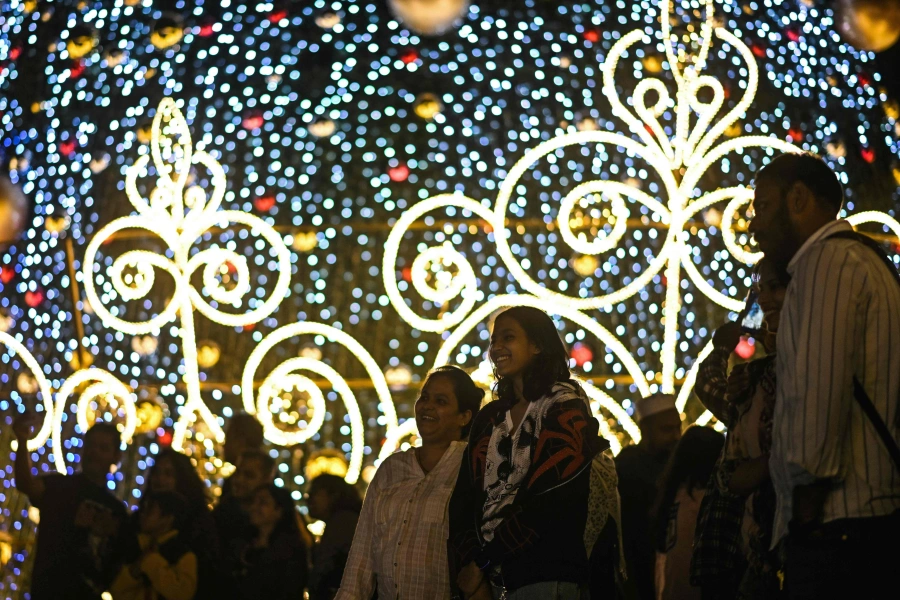
Nonetheless, there is a degree of truth to the allegation that many people involved in Christmas celebrations will be in it because, well, everybody is doing it. Gift shops are all bedecked with Santa stickers and glittering Christmas trees. The restaurants have special menus and décors for the occasion. The whole atmosphere is soaked with Christmas spirit. You celebrate it because you can’t escape it.
Yet there is nothing wrong in joining in on Christmas celebrations per se, especially if, like the bulk of Nepali youth, you identify yourself as a global citizen rather than a member of a hide-bound, inward-looking society. Granted, many businesses look to cash in on Christmas. But again, even festivals like Dashain, Tihar and Teej have come to be seen as just another excuse for gaudy display of wealth, binge drinking and occasions that highlight the stark differences between the haves and the have-nots.
It would be wonderful if we could utilize these occasions to recognize and address deep-rooted social disparities. For instance, someone could celebrate the day by collecting clothes for the poor people of Tarai, many of whom have succumbed to bitter cold. Or he/she could organize a blood donation program. There is no reason to believe that the upcoming generation is only interested in wanton celebration. They are, we believe, as capable of driving important socio-economic changes in the country. With this festive spirit, we would like to wish all our readers a Merry Christmas.
Related story
Christmas fever grips Kathmanduities